
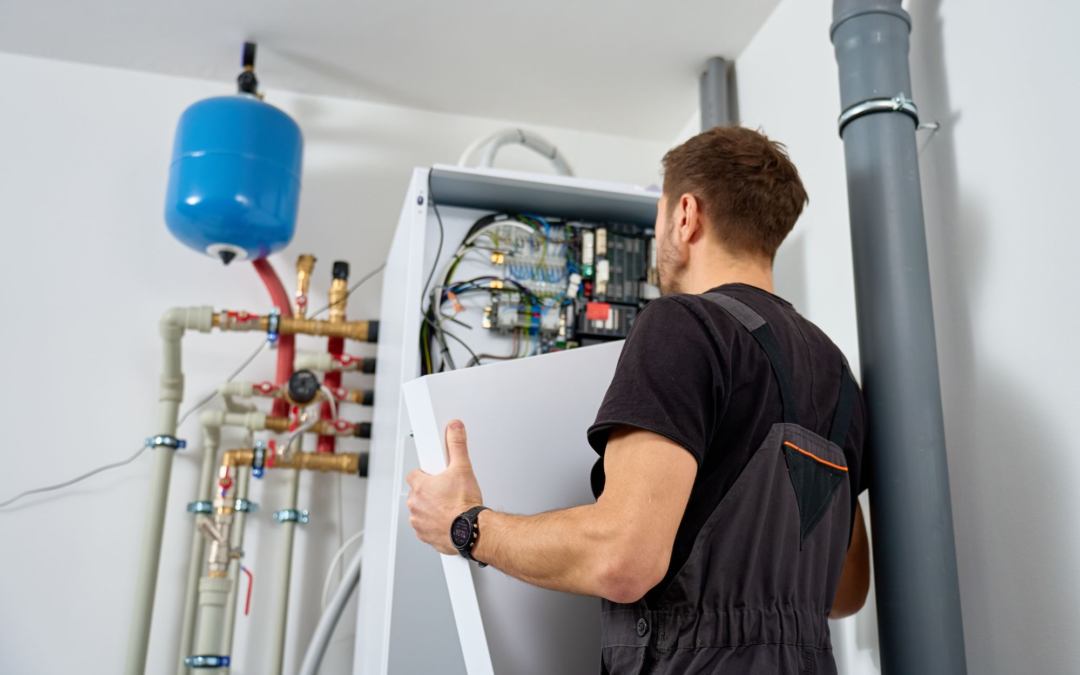
If your boiler is leaking water from the bottom, it means something is wrong inside the system. This usually happens when pressure builds up, parts wear out, or components start to fail. Even a small drip can quickly turn into a bigger leak that affects your entire heating system. Fixing it early can help you avoid costly repairs later.
Many homeowners ignore early signs like boiler dripping water or a small puddle forming on the floor. The reality is, most boiler leaks don’t stay small. They often lead to water damage, reduced efficiency, and costly repairs if left untreated. In some cases, the issue may involve high boiler pressure, which can stress internal components and increase the risk of failure.
If your boiler is leaking from the bottom, acting early is the best way to prevent further damage and avoid expensive repairs. Professional heating services can quickly diagnose the issue and keep your system running safely and efficiently.
What Does It Mean When Your Boiler Is Leaking From the Bottom?
A boiler leaking water from the bottom usually means there is an issue with internal components such as the heat exchanger, pressure relief valve, or connected pipes. The location of the leak helps determine whether it’s a simple fix or a more serious internal problem.
When water appears underneath the boiler, it often comes from inside the unit rather than external connections. This can indicate pressure imbalance or damage within the system. For example, when water pressure becomes too high, the system may release water through a relief valve or weak seals to prevent further damage.
Older boilers are more prone to this issue. Over time, internal components such as rubber seals, metal fittings, and joints experience wear and tear. Once these parts weaken, even normal operation can result in a visible leak at the base of the boiler.
7 Common Causes of a Boiler Leaking Water From Bottom
A boiler leak does not happen without a reason. In most cases, it develops from pressure issues, aging components, or mechanical failure. Understanding these causes helps you take the right action early.
1. High Boiler Pressure
When there is too much pressure inside the system, water is forced out through weak points such as valves or seals. This often results in visible leaks from the bottom or around connection points. You may also notice the pressure gauge reading higher than normal, which is a clear sign the system is under stress. If this continues, it can damage internal components and lead to bigger issues.
2. Faulty Pressure Relief Valve
The pressure relief valve is designed to release excess pressure and protect the system. However, if the valve becomes worn out or stuck, it may start leaking even when pressure levels are normal. This usually shows up as steady dripping water underneath the boiler. Over time, a faulty valve can also affect how well the system regulates pressure.
3. Corroded Heat Exchanger
The heat exchanger is one of the most important parts of the boiler because it transfers heat to the water. As the system ages, corrosion can develop due to constant exposure to heat and moisture. Small cracks may form, allowing water to escape and collect at the bottom. This type of damage is often more serious and can lead to expensive repairs or full replacement.
4. Loose Pipe Connections or Fittings
Loose joints or fittings in connected pipes are a common cause of leaks. These connections can shift slightly over time due to vibration, temperature changes, or general wear. At first, the leak may appear as a small drip, but it can gradually worsen if not addressed. Tightening or replacing the fittings early can prevent further problems.
5. Worn Seals or Damaged Gaskets
Seals and gaskets are responsible for keeping water contained within the system. As they age, they can become brittle, cracked, or worn out. Once these seals fail, water begins to escape from internal components. This often results in a slow but consistent leak that collects at the base of the boiler.
6. Faulty Expansion Tank
The expansion tank helps regulate pressure as water heats and expands inside the system. If the tank fails or loses its ability to absorb pressure changes, the system can become unstable. This leads to excessive pressure, which forces water out through valves or weak points. You may also notice fluctuating pressure readings when this happens.
7. Condensate or Drain Pipe Issues
Modern systems like a combi boiler produce condensate water as part of normal operation. This water is carried away through a drain pipe or overflow pipe. If the pipe becomes blocked, frozen, or cracked, water cannot drain properly and may leak from the bottom of the unit. This issue is more common in colder conditions or when maintenance is overlooked.
How to Tell Where the Leak Is Coming From
When your boiler is leaking water, identifying the source is the first step to fixing it. A leak from the bottom can come from multiple points, and each location indicates a different issue. Start by inspecting the boiler carefully. Look at the base, nearby pipes, and any visible valve connections. Observe whether the water appears as a slow drip or a steady flow.
| Leak Location | Likely Cause | What It Means |
| Bottom center | Heat exchanger | Major repair or replacement |
| Pipe joints | Loose connections | Simple repair |
| Pressure valve | High pressure | System imbalance |
| Drain pipe | Blockage or crack | Drain issue |
If water is pooling directly under the unit, it usually points to internal damage. If the leak comes from external connections, it may be easier to fix.
What to Do If Your Boiler Is Leaking Water From Bottom
If your boiler is leaking, taking quick action helps prevent further damage to your system and home. Even small leaks can become serious if left untreated. Before doing anything, make sure the area is safe. Avoid electrical components and keep the floor dry to reduce risk.
Follow these steps:
- Turn off the boiler immediately
- Check the pressure gauge for abnormal readings
- Inspect visible pipes, valves, and fittings
- Place a container to catch excess water
- Do not restart the system
- Contact a professional for inspection
Turning off the boiler prevents additional pressure buildup and stops the leak from worsening. Checking the pressure helps determine if high pressure is the cause. If the reading is too high, the system may be releasing water through the relief valve.
Is a Boiler Leaking From the Bottom Dangerous?
A leaking boiler dangerous situation, depending on the cause, but it should never be ignored. Water leakage near electrical components can create safety risks and increase the chance of system failure. Leaks caused by pressure issues are especially concerning. When pressure becomes unstable, it can damage internal components and affect the system’s performance. Over time, this can lead to a breakdown.
Even a small water leak can cause long-term problems. Continuous dripping water can lead to corrosion, reduce efficiency, and weaken internal parts. Addressing the issue early helps prevent these risks.
Repair or Replace Your Boiler?
Choosing between boiler repair and boiler replacement depends on how serious the problem is. Minor issues like loose joints, faulty valves, or worn seals can usually be fixed quickly and at a lower cost. However, if the heat exchanger is damaged or the boiler is older and leaking often, replacement is usually the better long-term option.
Boiler Repair vs Replacement: Quick Comparison
| Factor | Boiler Repair | Boiler Replacement |
| Cost | Lower upfront | Higher upfront |
| Best For | Minor issues | Major damage |
| Lifespan | Short-term fix | Long-term solution |
| Efficiency | No major change | Improved efficiency |
| Reliability | May need repeat fixes | More reliable |
| When to Choose | Newer boiler | Older, leaking system |
Conclusion
A boiler leaking water from bottom is not something to ignore. While some causes are simple, others indicate serious internal problems that can affect your entire system. Identifying the issue early helps prevent costly repairs and keeps your heating system running efficiently.
If your boiler is leaking water, taking action now can save you time, money, and stress. Goldberg Plumbing and Heating provides reliable boiler inspection and repair services to diagnose and fix the issue properly. Contact us today to schedule your service and prevent further damage.
FAQs
Why is my boiler dripping water from the bottom but still working?
A boiler can still function even when it is leaking because the issue may start small. Problems like worn seals or loose fittings allow water to escape without immediately affecting performance. However, the leak can worsen and lead to more serious damage over time.
Is it safe to use a boiler that is leaking water?
It is not safe to use a leaking boiler. Even a small leak can affect pressure levels and damage internal components. Over time, this can lead to system failure or safety risks. Turning off the boiler and getting it inspected is the safest option.
How do I stop my boiler from leaking water?
You can begin by turning off the system and checking the pressure. If pressure is too high, adjusting it may help temporarily. However, most leaks require professional repair to fix the underlying issue properly.
Is a water leaking boiler an emergency?
A leaking boiler can become an emergency if the leak is severe or affects system pressure. Large leaks or sudden pressure drops should be addressed immediately. Acting quickly helps prevent damage and ensures safety.