Our Blog
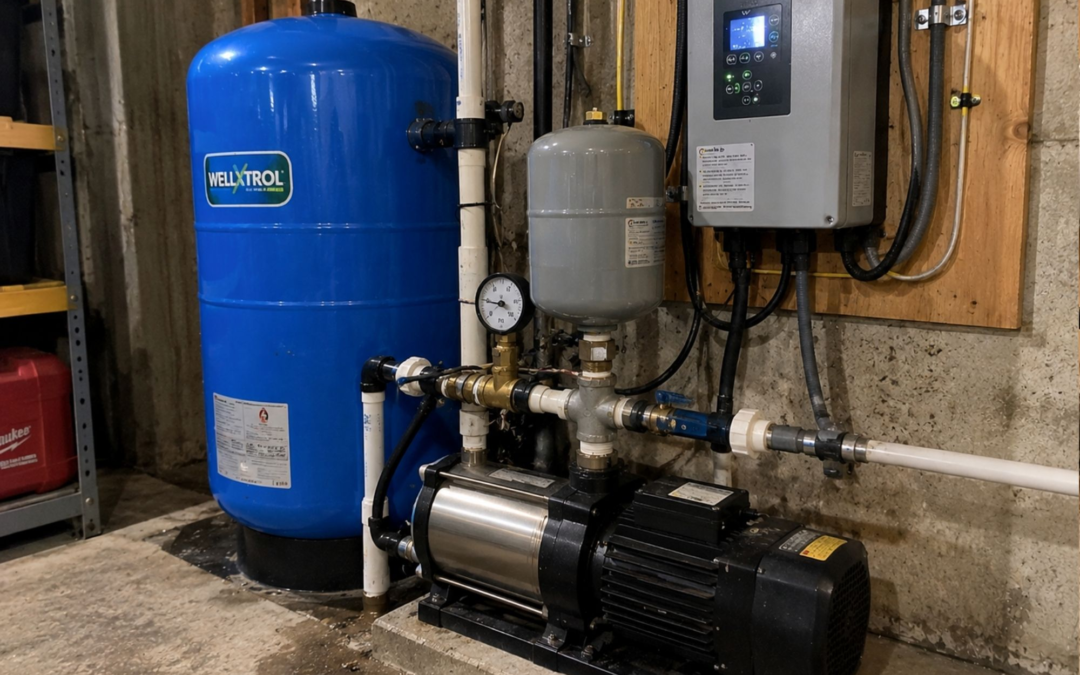
Constant Pressure Well Pump Systems: Are They Worth It?
A shower that suddenly loses pressure when the washing machine starts can make a private well system frustrating to live with. A constant pressure well pump is designed to reduce those noticeable pressure swings by adjusting pump output as water demand changes. For...
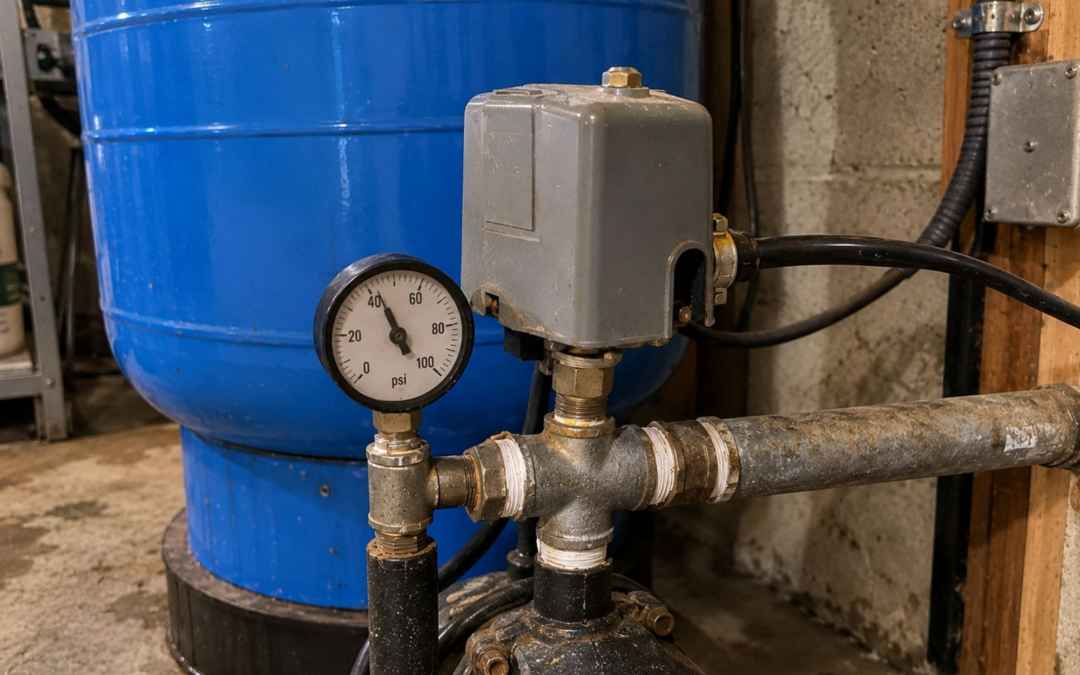
Well Pump Pressure Switch: Bad Switch Symptoms
Changes in water pressure can make it seem like the well pump pressure switch has failed. Your pump may cycle repeatedly, refuse to start, keep running, or turn on at a pressure that does not seem right. For homeowners in Mahopac, these symptoms are worth checking,...
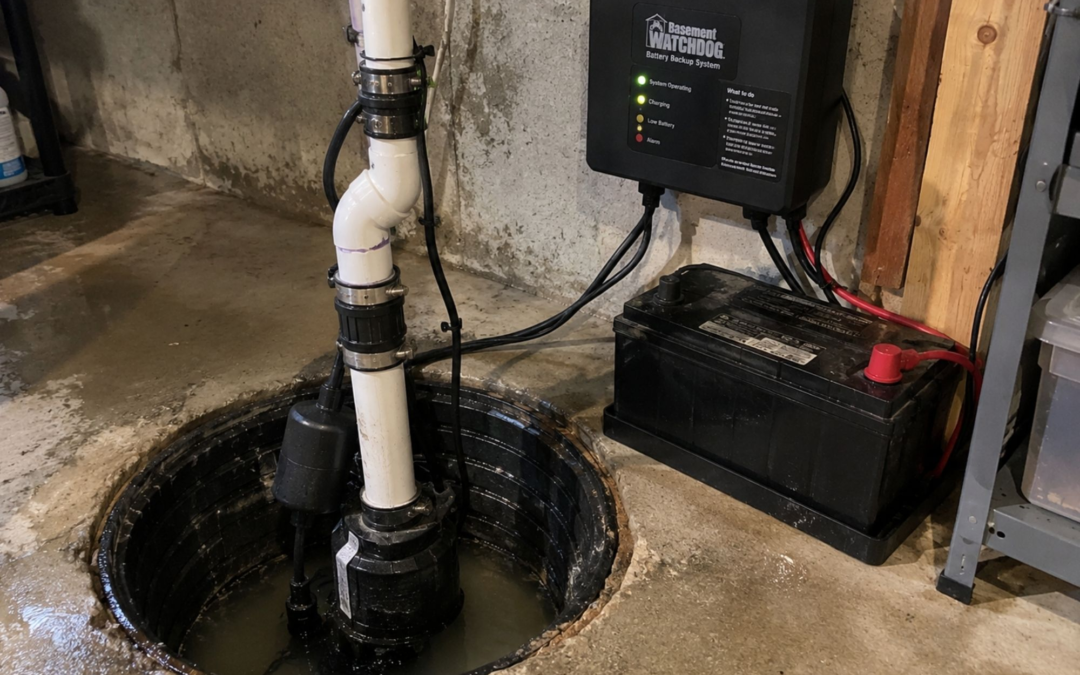
Sump Pump Battery Backup: How to Keep Your Basement Dry in an Outage
A sump pump battery backup gives your basement another layer of protection when the electricity goes out, or the primary sump pump cannot keep up with rising water. This matters because the same storms that bring heavy rain can also cause power outages, leaving an...
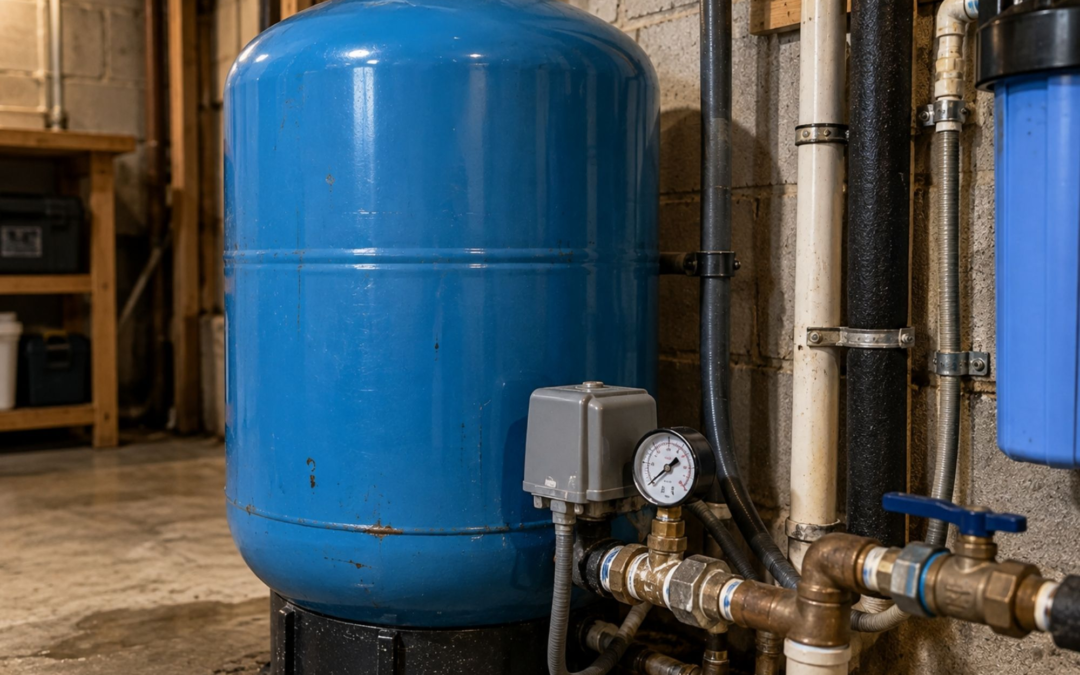
Well Pressure Tank Problems: Short Cycling, Waterlogging & Fixes
If your well pump turns on every few seconds, your shower pressure rises and falls, or the pressure switch keeps clicking, the problem may be somewhere in the pressure side of the well system. Well pressure tank problems are a common reason for short cycling and...
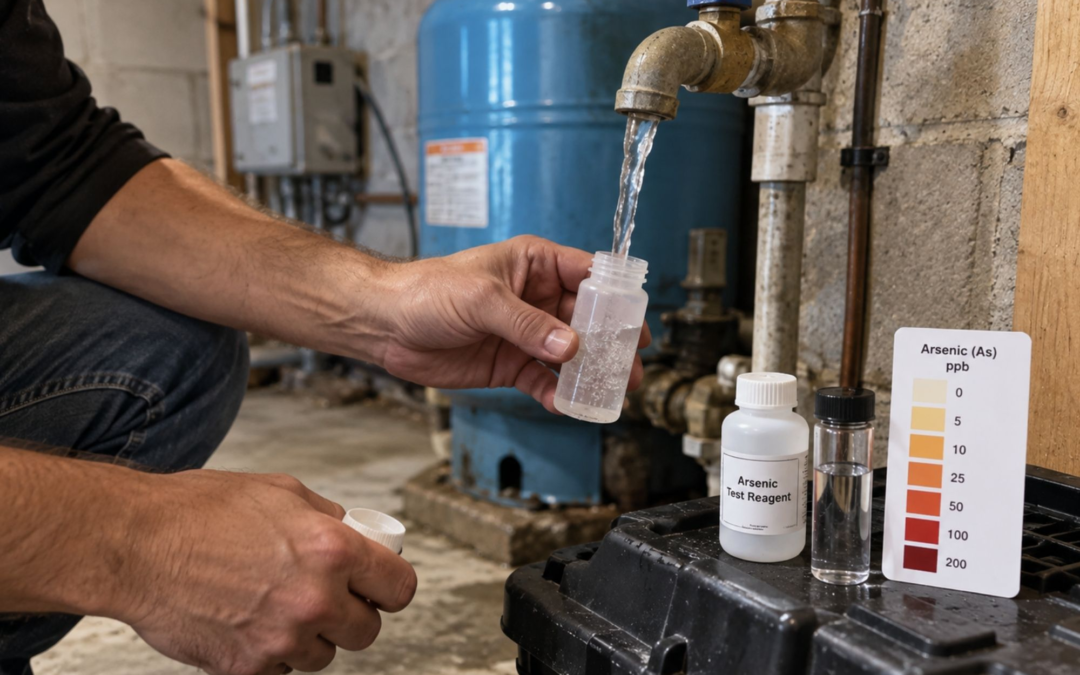
Arsenic in Well Water: Health Risks and Treatment Options
Arsenic in well water can be hard to recognize because you usually cannot see, smell, or taste it. For homeowners with private wells in Putnam County, testing is the only reliable way to know how much arsenic is in the water and whether action may be needed. If your...
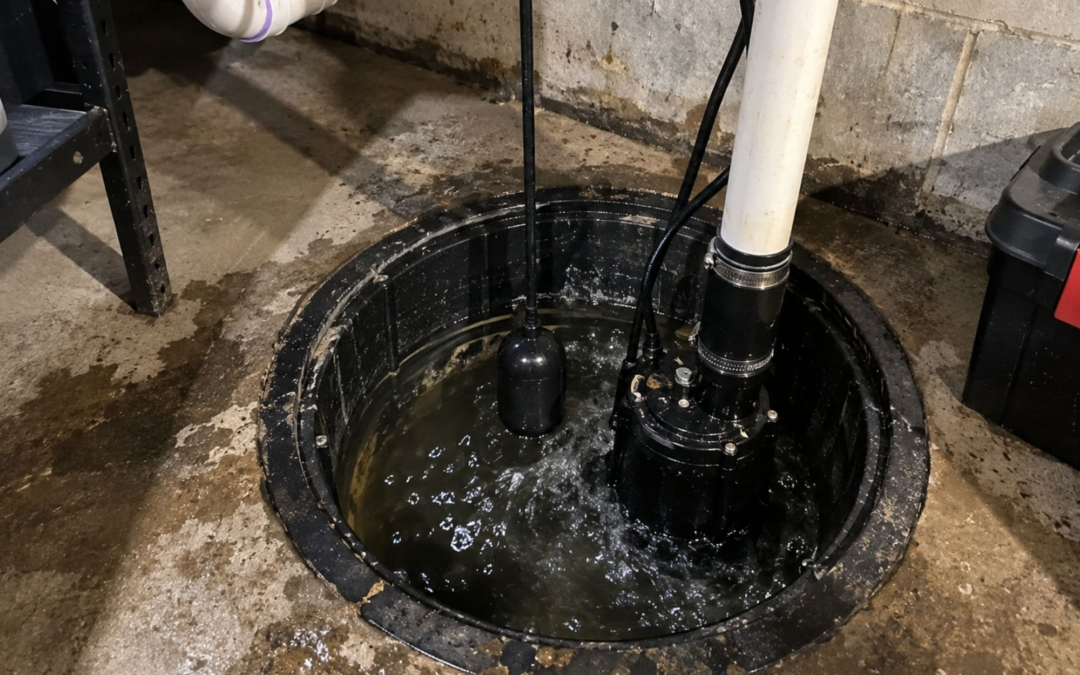
Sump Pump Keeps Running? 6 Causes and What to Do
A sump pump keeps running when the system is still sensing water, cannot move water out fast enough, or has a problem that prevents it from shutting off. For homeowners in Jefferson Valley, constant operation can be especially concerning during heavy rain because the...
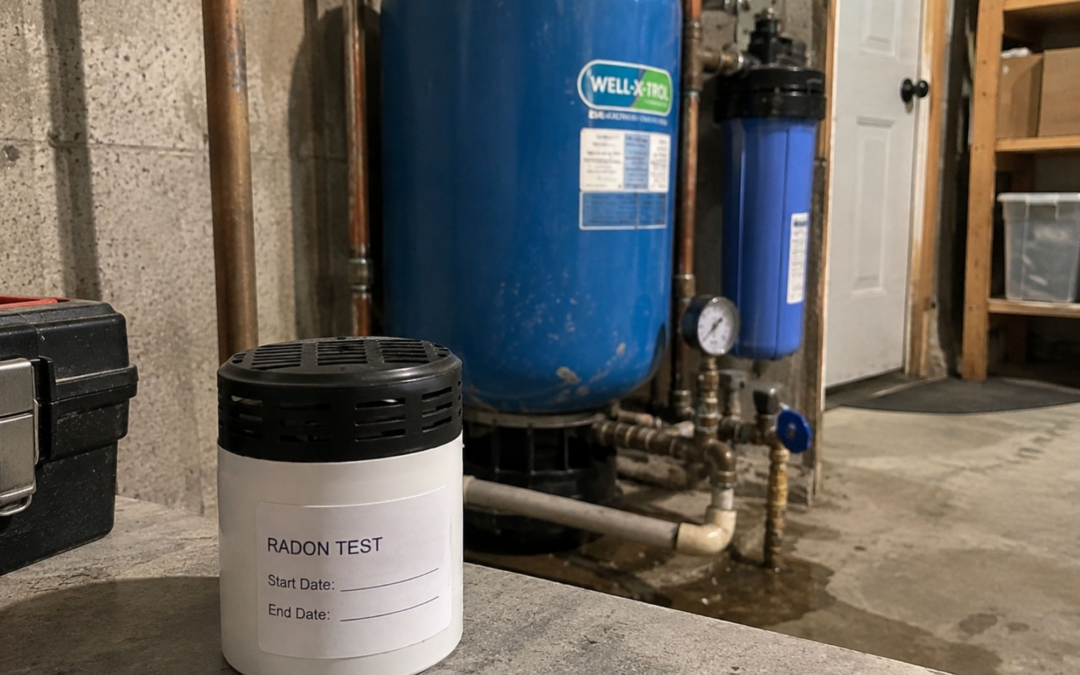
Radon in Well Water: Testing and Aeration Treatment
If your Mahopac home gets its water from a private well, radon may be one of the contaminants worth testing for. Radon in well water has no color, smell, or taste, so there is no way to spot it during normal water use. It can be present even when the water looks and...
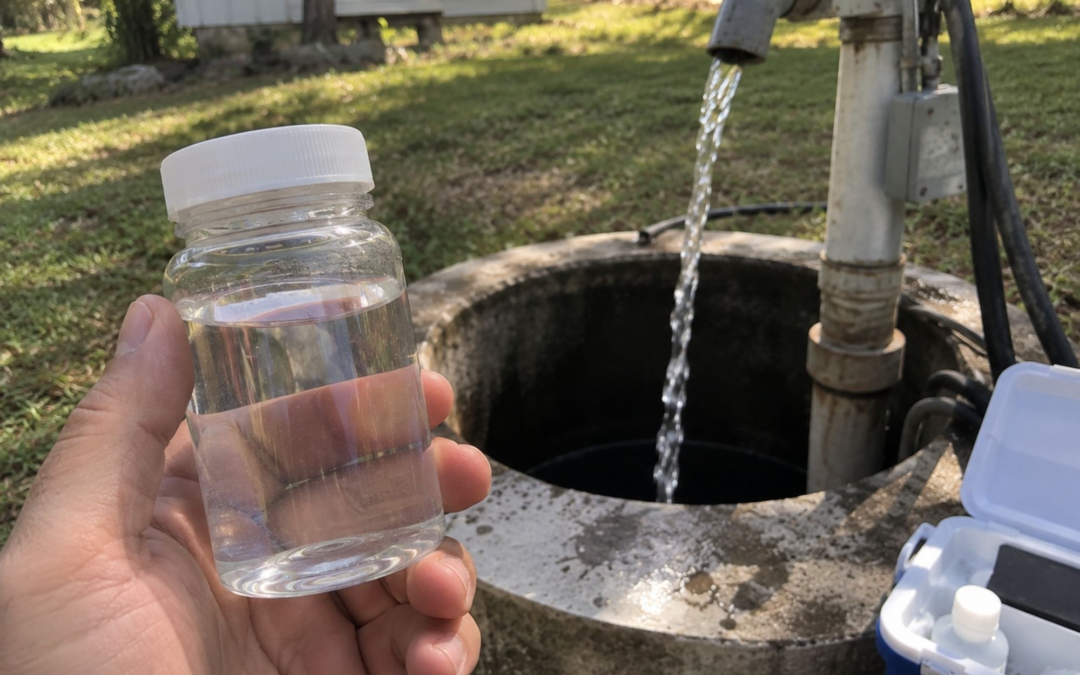
Coliform Bacteria in Well Water: What a Positive Test Means
A positive test for coliform bacteria in well water means your water supply may have a pathway that allows contamination to enter. Most coliform bacteria do not cause illness themselves, but they act as indicator organisms that can point to conditions that also let...
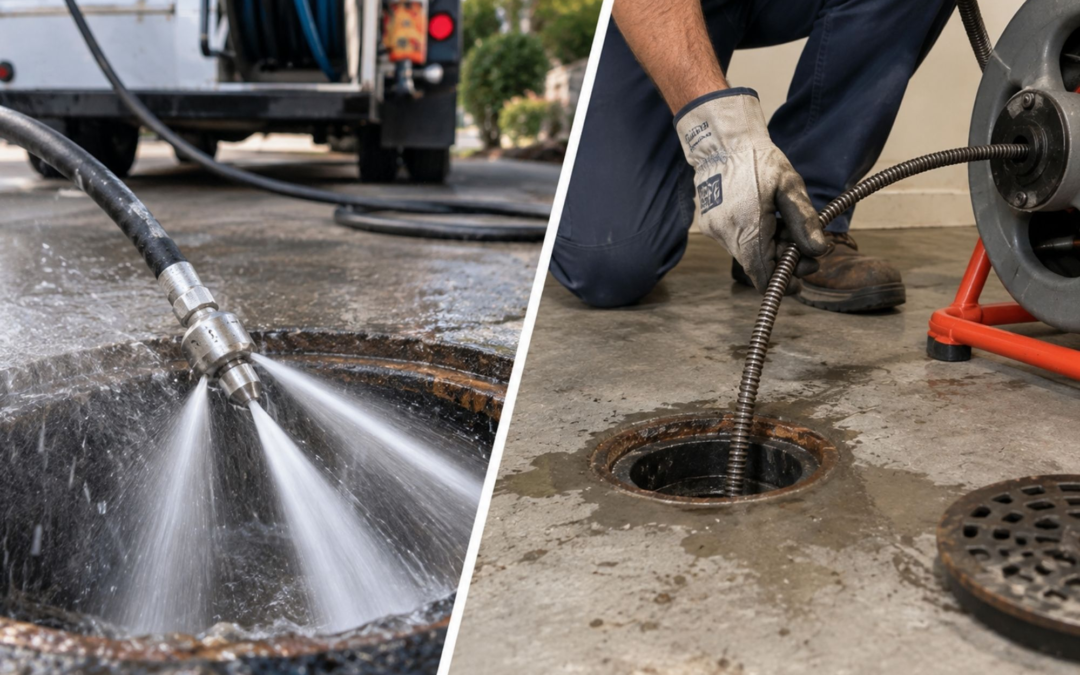
Hydro Jetting vs. Snaking: Which Drain Cleaning Method Is Right?
A clogged drain may come from one obstruction or from buildup that has collected along a larger section of pipe. That difference matters when comparing hydro jetting vs snaking because the two drain cleaning methods work in different ways. Snaking uses a flexible...
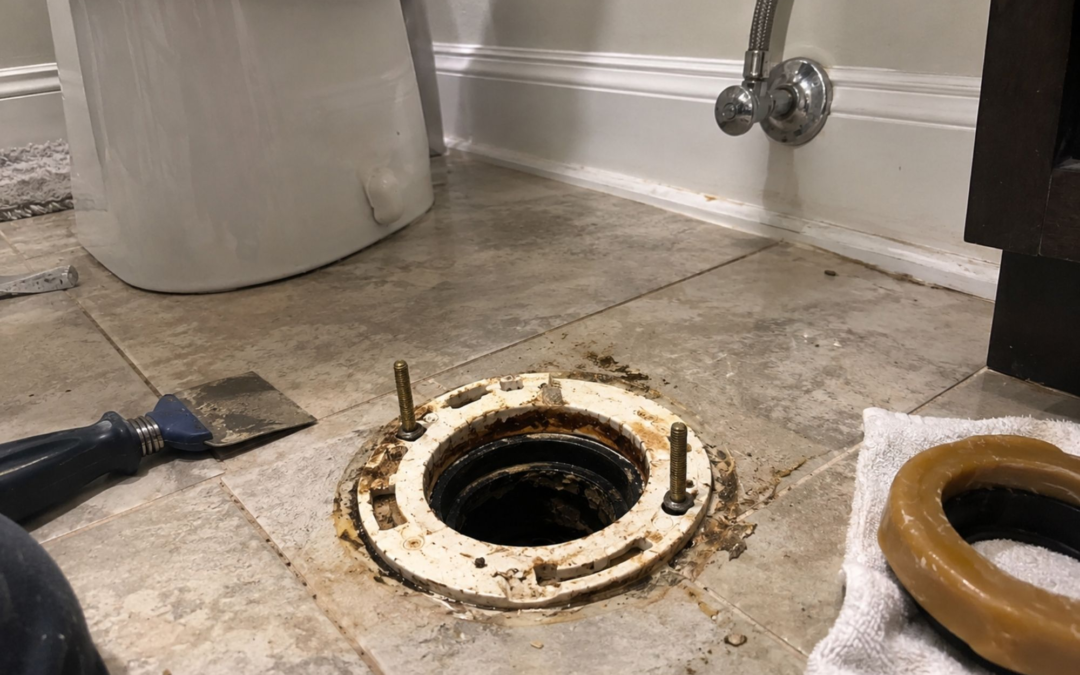
Toilet Flange Repair: Signs, Costs, and What’s Involved
A toilet that rocks, leaks at the base, or will not stay tight may have a problem below the toilet bowl. Toilet flange repair addresses the fitting that connects the toilet to the drain pipe and provides mounting points for the closet bolts. For homeowners in Yorktown...