
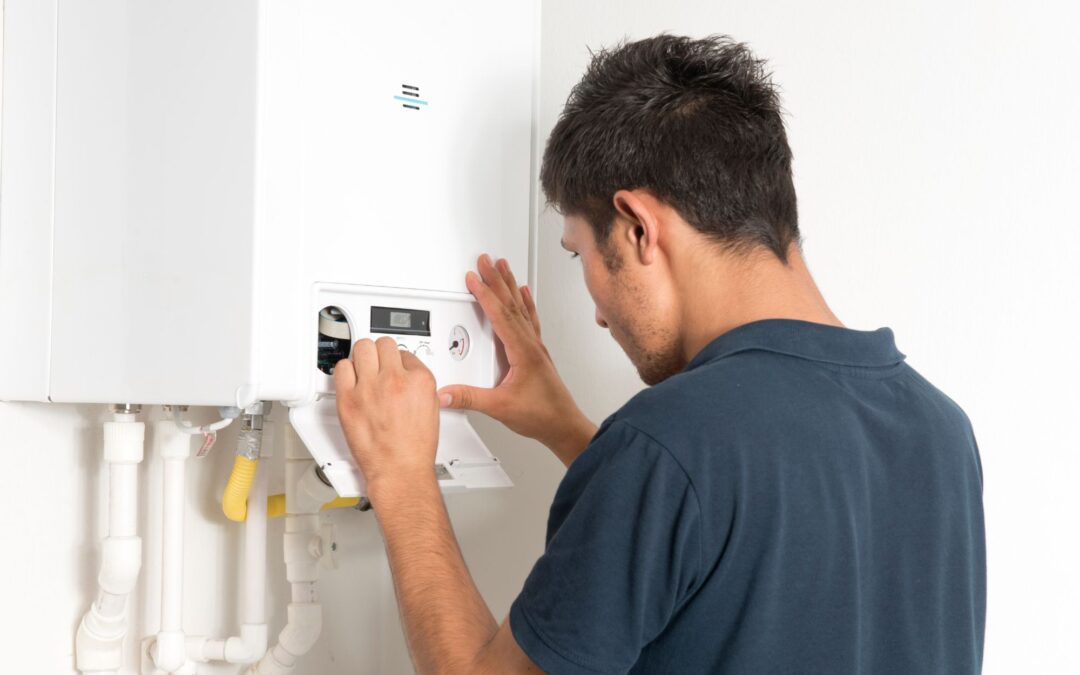
Boiler maintenance tips are essential for keeping your home safe, warm, and energy-efficient. In Westchester and Putnam Counties, where freezing winters push heating systems to their limits, proper care helps prevent costly breakdowns and protects your family from hazards like carbon monoxide leaks. Regular upkeep also ensures your system runs at peak efficiency, saving money on utility bills and extending equipment lifespan.
This guide will walk you through the most important maintenance tasks homeowners can do, the services only professionals should handle, and how seasonal preparation helps you stay ahead of problems. And if you need expert boiler service in Westchester or Putnam, Goldberg Plumbing & Heating is here to help.
Why Boiler Maintenance Matters
Boiler maintenance matters because it keeps your system safe, efficient, and reliable. A neglected boiler not only drives up heating costs but can also expose your home to leaks, breakdowns, or even dangerous carbon monoxide emissions.
Efficiency and Energy Savings
One of the biggest benefits of regular service is efficiency. According to the U.S. Department of Energy, heating accounts for nearly 29 percent of the average home’s energy use. A tuned boiler uses less fuel and delivers more consistent heat, which means lower monthly bills.
Safety and Longevity
Safety is another key reason. An unchecked system could develop a cracked heat exchanger or blocked flue, both of which can release harmful gases into your living space. Preventive maintenance also helps extend equipment lifespan. Instead of facing the expense of replacing a boiler years earlier than expected, homeowners who invest in annual checkups can keep their system running smoothly for decades. For older homes in Westchester with original heating systems, this proactive approach is especially valuable.
Boiler Maintenance Tips Homeowners Can Do
While a licensed technician should always handle gas, combustion, and electrical work, there are simple checks homeowners can safely perform between professional visits. These steps only take a few minutes but can prevent minor issues from becoming major problems.
Pressure, Radiators, and Visual Checks
One of the most important tasks is to keep an eye on boiler pressure. A typical residential system should read around 12 to 15 psi when cold. If the gauge is consistently outside this range, it may signal leaks or expansion tank problems that need professional attention. Another easy step is to bleed your radiators if you notice they are warm at the bottom but cold at the top. This releases trapped air, restores heat distribution, and improves system efficiency.
Visual inspections are also helpful. Check around the unit for puddles, rust, or unusual noises. Listen for kettling sounds, which are whistling or banging noises that could indicate mineral buildup or trapped air in the pipes. Finally, always make sure vents and flues remain clear of debris and confirm your carbon monoxide detectors are working.
Simple homeowner tips include:
- Checking boiler pressure regularly (ideal range: 12 to 15 psi)
- Bleeding radiators to remove trapped air
- Inspecting for leaks, rust, or unusual noises
- Keeping flues and vents unobstructed
- Testing carbon monoxide alarms
If you notice persistent pressure drops, leaks, or noises, it is time to call in our licensed boiler repair team in Westchester and Putnam County for a full diagnostic.
Professional Boiler Service: What to Expect
A professional boiler service goes beyond what homeowners can safely do. Licensed technicians test combustion, clean internal components, and ensure your system is operating safely and efficiently. This service should be scheduled once a year, ideally before the start of heating season.
What Technicians Check
During a maintenance visit, technicians perform a detailed inspection that may include cleaning the burners, checking the flue for blockages, testing the pressure relief valve, and ensuring all safety controls are working properly. For condensing boilers, pros also clear the condensate trap and check for frozen or blocked external lines, which are a common cause of winter shutdowns in New York.
DIY vs Professional Maintenance Table
To make it easier, here is a clear breakdown of what tasks are safe for homeowners versus which should always be handled by professionals:
| Task | Frequency | Homeowner or Pro | Red Flag to Call a Pro |
|---|---|---|---|
| Check the pressure gauge | Monthly | Homeowner | Pressure drops repeatedly |
| Bleed radiators | Seasonal | Homeowner | Heat imbalance continues |
| Inspect flue and vents | Seasonal | Homeowner | Obstructions or soot found |
| Clean burners and exchangers | Annual | Pro only | Any sign of soot or poor flame |
| Test combustion and controls | Annual | Pro only | Yellow flame or CO alarm sounds |
| Flush or descale the system | Every 3–5 yrs | Pro only | Loud kettling or overheating |
Annual service ensures efficiency and safety, but it also helps you avoid costly emergency repairs when the weather is coldest. If it has been more than a year since your last service, contact Goldberg Plumbing today to book your annual boiler tune-up.
Seasonal Boiler Maintenance Tips for Westchester and Putnam
Boilers in Westchester and Putnam face unique challenges due to harsh winters, so seasonal preparation is critical. Pre-winter is the most important time to schedule a service visit because technicians can identify worn parts before you depend on your system daily.
Preparing Before Winter
Homeowners can also prepare by insulating exposed pipes, especially those in basements, garages, or along exterior walls. Outdoor condensate lines should be checked for clogs and protected against freezing, as a frozen line can shut down a condensing boiler.
Winter and Post-Winter Care
During winter, monitor pressure regularly, bleed radiators as needed, and listen for noises. After the season ends, flushing the system and checking for corrosion can help extend its life.
In towns like Somers, Jefferson Valley, and Yorktown Heights, where temperatures regularly dip below freezing, these seasonal habits are key to avoiding breakdowns and keeping your home comfortable. Our family-owned team has been helping local homeowners prepare for winter for decades, so book your seasonal checkup with us today.
Common Boiler Problems and When to Call a Pro
Even with good maintenance, boilers can develop problems that require professional repair. Knowing the difference between a minor issue and a major hazard is essential for keeping your home safe.
Signs and Causes
One common issue is kettling, a whistling or rumbling noise often caused by mineral buildup in the heat exchanger. This reduces efficiency and can cause overheating if ignored. Another red flag is a yellow or orange pilot flame instead of steady blue, which indicates incomplete combustion and potential carbon monoxide risk. Repeated pressure loss, water leaks, or banging pipes are also signs it is time to call a licensed technician.
Quick Guide Table
Here is a quick guide to help identify when to act fast:
| Symptom | Likely Cause | What to Do |
|---|---|---|
| Whistling or rumbling | Mineral scale buildup | Call for flushing or descale |
| Yellow or orange flame | Incomplete combustion or CO | Shut off and call pro |
| Frequent low pressure | Leaks or expansion tank issue | Pro diagnostic needed |
| Banging pipes | Airlocks or pressure imbalance | Professional bleeding |
| No heat output | Circulator pump failure | Emergency repair needed |
If you smell gas, lose heat suddenly, or see a yellow flame, turn off the system immediately and contact Goldberg Plumbing & Heating for emergency boiler repair.
Conclusion
Regular boiler maintenance tips help homeowners reduce energy bills, extend system lifespan, and keep their families safe from dangerous breakdowns. By combining simple at-home checks with professional service, you can avoid costly emergencies during the coldest months of the year.
Goldberg Plumbing & Heating has proudly served Westchester and Putnam Counties for more than 40 years, delivering trusted plumbing, heating, and water system solutions. For dependable boiler maintenance, repairs, or seasonal service, contact our licensed team today and keep your home ready for winter.
FAQs
What maintenance is required for a boiler?
Boiler maintenance typically includes checking pressure, bleeding radiators, cleaning internal parts, testing safety controls, and inspecting the flue. Homeowners can handle basic checks, but professional service is required for combustion and electrical work. Scheduling an annual service is the best way to keep your system safe and efficient in Westchester homes.
How to maintain boiler pressure?
You can maintain boiler pressure by checking the gauge regularly and keeping it within the recommended 12 to 15 psi range when the system is cold. If pressure drops repeatedly, it could indicate a leak or an expansion tank problem. In that case, a licensed technician should be called to fix the issue.
How to service a boiler step by step?
Professional boiler servicing typically involves a full inspection, cleaning of burners and heat exchanger, flue test, safety control check, and pressure adjustments. This process requires specialized tools and safety training. For homeowners, the step-by-step tasks are limited to checking gauges, bleeding radiators, and keeping vents clear.
What are the maintenance methods of boiler?
The main methods include routine homeowner checks such as pressure and radiator bleeding, seasonal preparation such as insulating pipes and checking condensate lines, and annual professional inspections. Professionals may also perform descaling, flushing, and combustion tests. For families in Putnam County, combining these methods ensures both safety and efficiency year-round.