
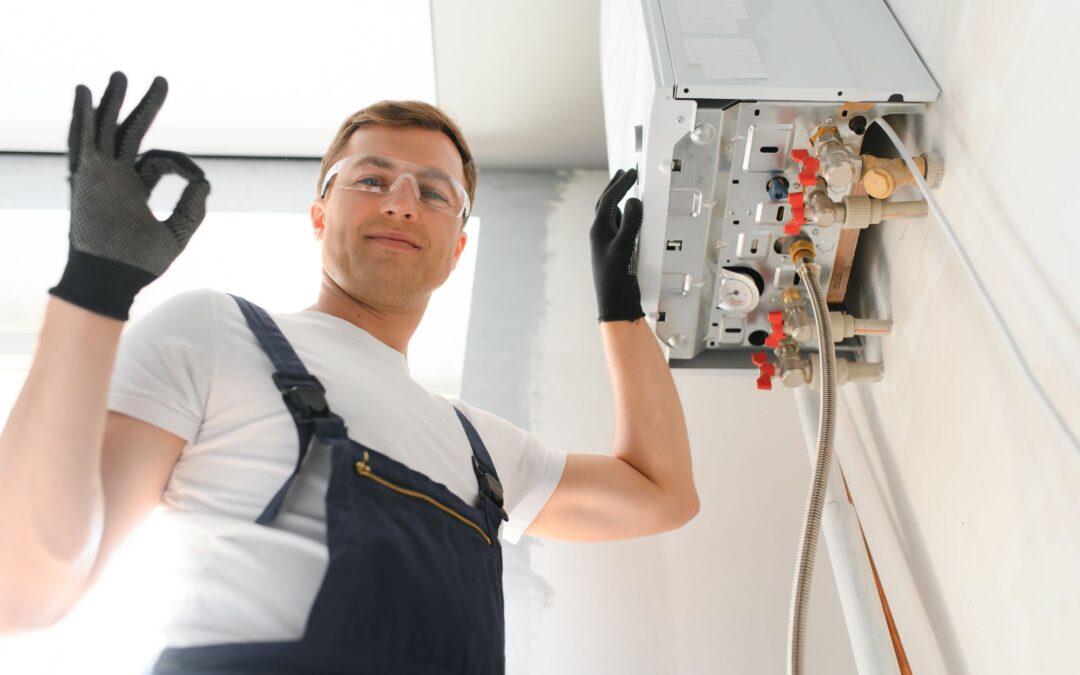
If your boiler keeps turning on and off every few minutes, you may be dealing with boiler short cycling. This issue is common in homes across Northern Westchester and Putnam County, especially in older houses with steam or hot water boilers. Short cycling wastes energy, increases wear on components, and often leads to uneven heat throughout the house.
At Goldberg Plumbing & Heating, we help homeowners in Jefferson Valley, Yorktown Heights, Mahopac, and Somers understand what short cycling means, why it happens, and when professional service makes sense. If your boiler fires repeatedly without running a full cycle, scheduling a professional boiler evaluation can prevent bigger problems and protect your heating system.
What Is Boiler Short Cycling?
Boiler short cycling happens when a boiler turns on, shuts off, and then turns back on again before completing a normal heating cycle. Instead of running long enough to evenly heat your home, the boiler quickly satisfies a sensor or limit and shuts down. This pattern repeats throughout the hour.
In a properly operating heating system, boiler cycles last long enough to deliver steady heat to radiators or baseboards. With short cycling boilers, the system struggles to stay in stable operation. That constant starting and stopping reduces operational efficiency and places unnecessary wear on the ignition system, burner, and control system.
How Often Should a Boiler Cycle Normally?
A residential boiler should cycle based on heat demand, outdoor temperature, and system design. In cold weather, a properly sized boiler often runs for longer periods, delivering more heat to living areas before shutting off. It should not fire every few minutes unless the heating load is extremely low.
Short cycling becomes a concern when the boiler turns on and off rapidly, sometimes multiple times per hour, without maintaining a consistent water temperature or room comfort. In many Westchester and Putnam County homes, older steam boilers or hot water systems are more likely to show this behavior when the system’s ability to manage pressure, water flow, or temperature changes has declined.
Common Causes of Boiler Short Cycling
Short cycling issues rarely come from a single failure. Most cases involve system design, controls, or operating conditions that no longer match the home’s heating needs.
Oversized Boiler Systems
Many homes have boilers that are larger than necessary. An oversized boiler produces more heat than the house can absorb. As a result, the boiler quickly satisfies the target temperature or high limit and shuts off. This rapid shutdown prevents the heat exchanger from operating efficiently. The boiler fires again once temperatures drop slightly, leading to frequent cycling and higher energy usage without better comfort.
Thermostat and Control Problems
The thermostat and boiler controls act as the brain of the heating system. Poor thermostat placement, outdated control settings, or faulty sensors can cause the boiler to misread room temperature. When the control system receives incorrect signals, the boiler shuts down too soon or restarts unnecessarily. These control-related issues are a common cause of boiler short cycling in modern boilers as well as older installations.
Water Flow and Temperature Issues
In hot water systems, restricted water flow can lead to rapid temperature rises inside the boiler. Trapped air, closed valves, clogged pipes, or failing circulator components can all reduce flow. When water temperature climbs too quickly, the boiler shuts off to protect itself. Once temperatures drop, the boiler fires again, repeating the cycle. Air vents and proper system balancing play a major role in preventing this problem.
Steam Boiler Pressure Problems
Steam boilers rely on stable steam pressure. If pressure builds too fast, often due to control settings or failing steam traps, the boiler shuts down early. As steam condenses and pressure drops, the boiler restarts. Homes with older steam systems often experience short cycling when pressure controls are not calibrated or when piping and radiators cannot distribute steam evenly.
After identifying these common causes, a professional boiler inspection helps pinpoint which issue is affecting your system. Guesswork often leads to unnecessary adjustments or missed problems.
Why Boiler Short Cycling Is a Problem
Short cycling does more than create noise in the boiler room. Each cycle places stress on components designed for steady operation. Frequent cycling increases wear on the burner, ignition system, and controls.
Energy consumption also rises. According to U.S. Department of Energy research on cycling losses, boilers lose efficiency during startup and shutdown phases. When a boiler fires too often, those losses add up, increasing operating costs without delivering more heat.
Homeowners may also notice cold spots, uneven room temperatures, or delayed heating in certain areas of the house. Over time, short cycling shortens the system’s lifespan and increases the likelihood of costly repairs or premature replacement.
Can Boiler Short Cycling Damage Your System?
Yes, boiler short cycling can damage your system if left unaddressed. Repeated starts and stops cause unnecessary wear on internal components, including the burner, heat exchanger, and control system.
As parts wear down, the boiler becomes less efficient and more prone to breakdowns. What starts as a common issue can turn into ignition failures, pressure drops, or damaged controls. Addressing short cycling early helps protect your boiler and maintain efficient operation across the entire home.
Should You Try to Fix Boiler Short Cycling Yourself?
Homeowners can safely observe how often their boiler cycles and whether rooms heat evenly. However, adjusting boiler controls, pressure settings, or internal components without training can create safety risks or worsen the problem.
Boiler systems involve gas, steam pressure, hot water, and electrical components. A licensed professional can measure temperatures, pressure, and system performance accurately. If your boiler shuts off frequently or behaves inconsistently, contacting a qualified boiler technician is the safest next step.
How Boiler Short Cycling Is Diagnosed and Fixed
Fixing boiler short cycling starts with understanding how the system operates as a whole. A professional evaluation looks beyond surface symptoms to identify the root cause. Technicians assess boiler size, water flow, pressure controls, thermostat placement, and overall system balance. In some cases, adjustments to controls or air removal restore stable operation. In others, component repair or replacement improves performance.
For older systems, upgrading controls or correcting sizing issues may significantly reduce energy usage. In homes considering replacement, installing a properly sized high-efficiency gas boiler can eliminate short cycling and lower long-term operating costs. Goldberg Plumbing & Heating provides boiler repair, replacement, and system evaluations tailored to homes throughout Northern Westchester and Putnam County.
When to Call a Boiler Professional
If your boiler fires repeatedly, struggles to heat rooms evenly, or makes unusual noises during operation, it is time to call a professional. Short cycling rarely resolves on its own and often worsens with continued use.
Prompt service helps prevent unnecessary wear and protects your investment. Homeowners in communities like Jefferson Valley, Yorktown Heights, Mahopac, and Somers benefit from early diagnosis, especially during colder months when heating demand is highest.
Conclusion
Boiler short cycling is a common issue, but it should not be ignored. Left untreated, it increases energy usage, accelerates wear, and reduces comfort throughout your home. Early diagnosis helps prevent unnecessary repairs and protects the long-term reliability of your heating system. The right solution depends on careful evaluation, not guesswork.
If you live in Northern Westchester or Putnam County and notice frequent boiler cycling, help is available. Goldberg Plumbing & Heating provides honest evaluations, clear explanations, and reliable boiler repair and replacement services. Contact us to schedule a professional assessment and keep your heating system running the right way.
FAQs
How do you fix short cycling heat?
Fixing short cycling heat depends on the cause. A professional evaluates boiler size, control settings, water flow, and pressure to identify the issue. Repairs may involve adjusting controls, improving circulation, or correcting system imbalance. Scheduling a professional boiler evaluation ensures the fix matches your system.
Why is my boiler turning on and off so quickly?
A boiler turns on and off quickly when it reaches its limit too fast. This can happen due to an oversized boiler, restricted water flow, trapped air, or pressure control problems. Frequent cycling signals reduced efficiency and increased wear. A licensed technician can determine the exact cause.
How to stop oil boiler short cycling?
Stopping oil boiler short cycling requires inspecting controls, pressure settings, and heat distribution. Issues such as improper sizing, poor circulation, or control problems often trigger cycling. Professional service ensures adjustments improve performance without compromising safety.
How do I fix my furnace from short cycling?
Furnace short cycling involves forced-air systems, which differ from boiler heating. Goldberg Plumbing & Heating focuses exclusively on boilers and hydronic systems, not furnaces. If your home uses a boiler, short cycling solutions involve water temperature, pressure, and control adjustments rather than airflow or ductwork.