Clogged drain pipes are a common yet frustrating issue that can disrupt your daily routine. Whether it’s your kitchen sink filled with greasy water or your bathroom drain struggling with hair and soap scum, clogged drain pipes can be a serious inconvenience. Fortunately, there are effective solutions to tackle these blockages, ranging from simple DIY methods to professional services. In this guide, we’ll explore clogged drain pipe solutions to help you clear minor to severe clogs quickly and effectively. By following these tips, you can prevent long-term plumbing problems and maintain a smoothly running system.
In this guide, we’ll cover everything from simple DIY techniques like using baking soda and vinegar to professional drain cleaning services. Whether you’re dealing with a slow-draining sink or a completely blocked pipe, you’ll find the best solutions to clear your drains effectively. Let’s explore the most proven and efficient ways to unclog drain pipes, so you can get your plumbing system flowing smoothly again.
Common Causes of Clogged Drain Pipes
Understanding what causes clogged drain pipes is the first step in preventing and addressing them. The majority of household drain clogs occur from a combination of everyday materials, poor maintenance, and overuse. Here’s a breakdown of the most common culprits:
- Food Waste: In kitchen sinks, food scraps, grease, and fatty substances can accumulate in pipes over time, leading to blockages. Coffee grounds, oils, and even leftover pasta can stick to the pipe walls and cause a clog.
- Hair and Soap Scum: Hair, soap, and toothpaste are the primary contributors to bathroom drain blockages. Over time, soap scum combines with hair strands to form a stubborn mass that blocks water flow.
- Foreign Objects: Things like toilet paper, wet wipes, and sanitary products can accidentally be flushed down toilets or wash basins, leading to severe blockages in main drain pipes.
- Tree Roots: In older homes with outdoor pipes, tree roots can invade the plumbing system. These roots break into pipes in search of water, causing clogs and damage.
- Mineral Build-Up: Hard water can cause mineral deposits to accumulate over time, creating slow drainage and even full blockages in pipes.
Each of these causes can be addressed with targeted solutions that range from DIY methods to professional plumbing services.
DIY Drain Cleaning Methods to Try First
Before calling a plumber, there are several DIY techniques you can try to unclog your drain pipes. Many of these methods use natural ingredients and tools you likely already have at home. Let’s break down the most effective DIY solutions for clearing minor to moderate drain blockages:
Boiling Water
Sometimes, the simplest solutions are the most effective. Pouring boiling water down the drain helps dissolve grease, soap scum, and other debris. This method is particularly useful for kitchen sinks that are clogged with fat and oils.
Baking Soda and Vinegar
This powerful duo works together to create a chemical reaction that helps loosen debris. First, pour half a cup of baking soda into the drain, followed by half a cup of white vinegar. Let the mixture sit for at least 30 minutes, then flush the drain with hot water.
Plunger
The plunger is a tried-and-true tool that works by using pressure to dislodge blockages in sinks, bathtubs, and toilets. Ensure that the plunger creates a tight seal around the drain and pump vigorously to break up the clog.
Drain Snake
A drain snake (or plumbing auger) is an effective tool for reaching deeper clogs in pipes. Insert the snake into the drain and twist it to catch debris. Slowly pull the snake back, along with any obstruction it may have picked up.
Wet/Dry Vacuum
For a tougher clog, a wet/dry vacuum can help suck out the blockage. Ensure the vacuum is set to liquids and create a tight seal around the drain opening for maximum suction power.
Professional Solutions for Severe Clogs
While DIY methods work for most minor blockages, some situations require professional intervention. For example, if your drain clog persists despite repeated attempts or if you’re facing a severe clog, here are some professional solutions to consider:
Hydro-Jetting
Hydro-jetting uses high-pressure water to clear out debris and mineral build-up from pipes. This method is highly effective for cleaning stubborn blockages and is often recommended for pipes that have experienced multiple clogs or that have not been cleaned in years.
Camera Inspection
In many cases, plumbers use a camera inspection to determine the exact location and nature of the clog. This allows professionals to see inside the pipes and identify hidden problems such as cracks, roots, or severe build-ups.
Drain Cleaning Services
Professional drain cleaners are equipped with advanced tools to clear out tough clogs quickly and safely. Depending on the nature of the clog, plumbing experts will use specialized tools such as augers, cutters, or hydro-jetting equipment.
Pipe Replacement
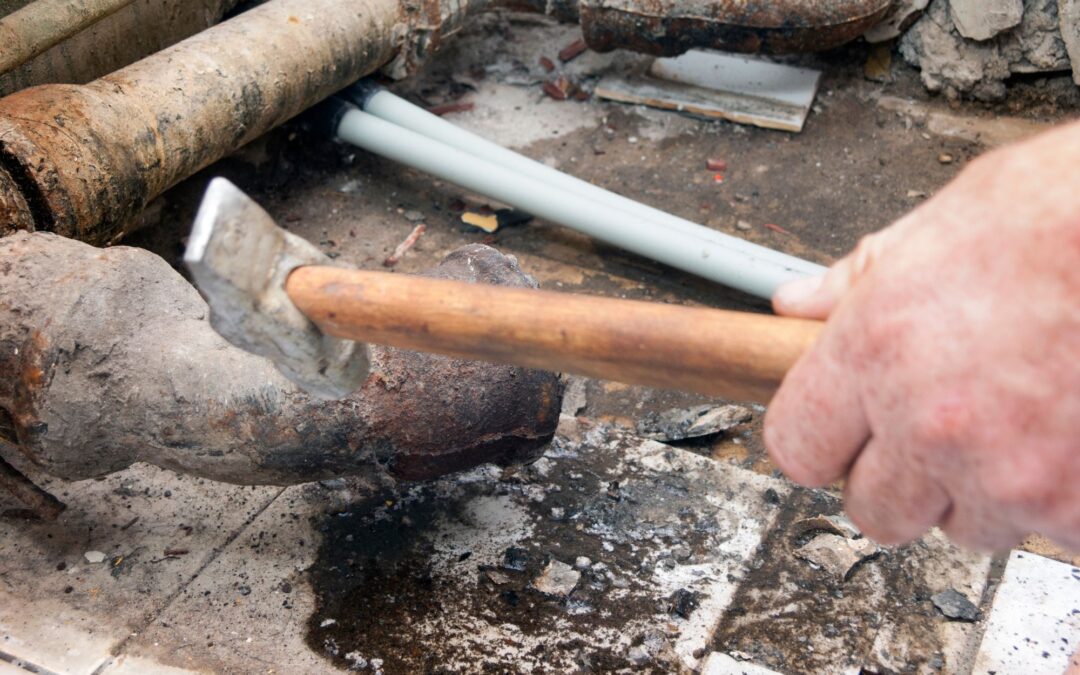
In extreme cases, if your pipes are severely damaged or the clog is located in hard-to-reach areas, a plumber may recommend replacing the pipes to restore proper flow. While this is a more expensive solution, it ensures long-term functionality.
How to Prevent Future Drain Clogs
Preventing drain clogs in the first place is essential to maintaining the longevity of your plumbing system. Here are some simple steps to avoid future issues:
- Avoid Grease Build-Up: Never pour grease, oils, or fatty substances down your kitchen sink. Use a grease trap or dispose of grease in the trash.
- Use Drain Guards: Install mesh drain guards in your bathroom sinks and tubs to catch hair, soap, and debris before it enters the drain.
- Regular Maintenance: Flush your drains with hot water once a month to prevent build-up. You can also use eco-friendly cleaners to keep pipes clear without causing damage.
- Proper Disposal: Be mindful of what you put down your toilets and drains. Avoid flushing anything other than toilet paper, and dispose of food scraps and non-biodegradable items properly.
Understanding the Cost of Drain Cleaning Services
If you’ve tried DIY solutions and still find yourself dealing with persistent blockages, you may need professional help. Here’s an overview of the costs involved in drain cleaning services:
- DIY Tools: A basic drain snake or plunger typically costs between $10 and $50, while baking soda and vinegar are affordable household staples.
- Professional Services: Depending on the severity of the clog, professional plumbing services can range from $100 to $400. Hydro-jetting, for instance, can cost up to $500 for a session.
- Long-Term Prevention: Regular maintenance services, including drain cleaning and inspection, usually range between $75 and $150 annually, which can save you money in the long run by preventing major plumbing issues.
Conclusion
Clogged drain pipe solutions range from simple DIY fixes to advanced professional methods. By understanding the causes of clogs and using the appropriate solution, you can keep your plumbing system in optimal condition. Whether you opt for a DIY solution or call in the experts, timely action is essential to avoid more severe plumbing issues. If you’re dealing with persistent blockages, don’t hesitate to contact a professional plumber to restore your system’s flow.
At Goldberg Plumbing, we help homeowners across Westchester and Putnam counties with common plumbing issues. From clearing clogged drains to providing long-term plumbing solutions, our licensed plumbers are here to help. Contact us today to schedule your service
FAQs
How can I unclog my drain pipes?
To unclog your drain pipes, start with simple DIY methods like pouring boiling water down the drain, using baking soda and vinegar, or employing a plunger. If the clog persists, a drain snake or wet/dry vacuum can be useful. For severe blockages, professional plumbing services may be necessary.
How to unblock a badly blocked drain?
A severely blocked drain requires more advanced methods like hydro-jetting or professional drain cleaning. If DIY methods like plunging or using a drain snake haven’t worked, contacting a plumber is the best solution. Camera inspection can also help identify the root cause of the blockage.
How to fix a clogged main drain pipe?
If your main drain pipe is clogged, it’s essential to act fast. Start by using a plumbing snake to clear debris. If the clog is deeper or stubborn, professional services like hydro-jetting or camera inspection may be needed to assess and clear the pipes effectively.
What do plumbers recommend to unclog drains?
Plumbers often recommend using professional tools such as hydro-jetting, augers, or even camera inspections to identify and clear clogs. Regular maintenance and eco-friendly cleaning methods are also recommended to prevent future clogs.