
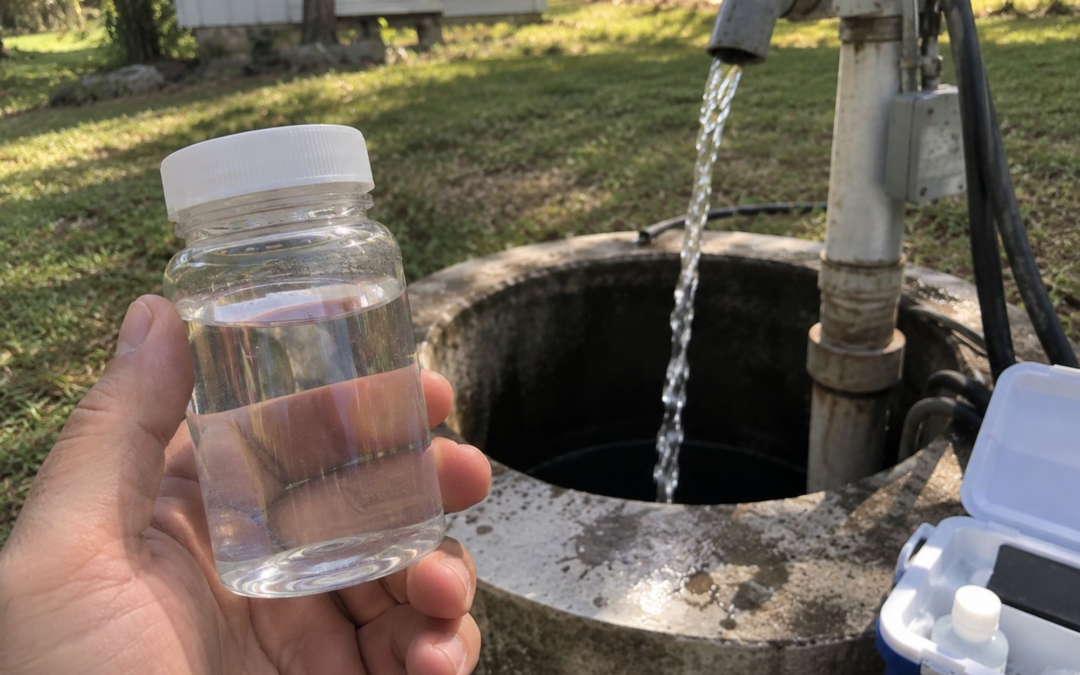
A positive test for coliform bacteria in well water means your water supply may have a pathway that allows contamination to enter. Most coliform bacteria do not cause illness themselves, but they act as indicator organisms that can point to conditions that also let harmful bacteria or other pathogens reach the well. The New York State Department of Health explains that coliform bacteria are used as indicators of drinking-water quality.
For Putnam County homeowners, the next step is not to guess at the cause or rely on how the water looks, smells, or tastes. Use a safe alternate source for drinking and food preparation, then have the well and water system checked so the cause can be identified and corrected.
What Does a Positive Coliform Test Mean?
A positive coliform test means indicator bacteria were detected in the water sample. Total coliform bacteria may come from soil, surface water, or human and animal waste, while fecal coliform bacteria and E. coli point more strongly toward fecal contamination and possible disease-causing organisms.
Total Coliform Bacteria
Total coliform bacteria occur naturally in soil and surface water and may also be present in human or animal waste. Because of this, a positive total coliform result does not automatically mean sewage entered the well. It does show that the well or water system may have a pathway that allows contamination to enter.
Fecal Coliform Bacteria and E. Coli
Fecal coliform bacteria are more closely associated with the intestines and feces of warm-blooded animals. E. coli, or Escherichia coli, is an even stronger indicator of fecal pollution. The New York State Department of Health explains that E. coli can indicate fecal pollution and the possible presence of disease-causing organisms.
| Test Result | What It May Mean | Why It Matters |
| Total coliform positive | A sanitary problem or contamination pathway may exist | Other organisms may also be able to enter the well |
| Fecal coliform positive | Human or animal waste may have reached the water | Fecal contamination is more likely |
| E. coli positive | Strong evidence of fecal pollution | Pathogenic organisms may also be present |
A result that appears numerically small should not automatically be dismissed. The laboratory method, type of bacteria detected, sample quality, and condition of the well all affect how a positive result should be interpreted.
What Should You Do When Well Water Tests Positive?
If well water tests positive for coliform bacteria, stop using untreated water for drinking, cooking, or making ice until the problem is addressed. Use bottled water or another safe source, inspect the well for possible contamination pathways, correct any problems, disinfect when appropriate, and retest before returning to normal use.
Steps to Take After a Positive Test
- Use bottled water or another safe source for drinking and food preparation.
- Review the result with a certified laboratory or local health department.
- Inspect the well cap, casing, drainage, and surrounding area.
- Check for recent flooding, heavy rain, repairs, or other changes.
- Correct conditions that may allow contamination to enter.
- Disinfect the well and plumbing when appropriate.
- Collect another water sample to confirm the bacteria are no longer detected.
The New York State Department of Health provides guidance for private well owners on testing, contamination, and corrective steps.
Boiling Is Only a Temporary Measure
When boiling is advised, bring water to a full rolling boil for at least one minute and let it cool before use. Boiled or bottled water can reduce exposure while the problem is being addressed, but it will not repair a damaged well cap, cracked casing, poor drainage, or another contamination pathway.
How Do Coliform Bacteria Get Into Well Water?
Coliform bacteria can enter well water when soil, surface water, or waste reaches the groundwater or finds a direct path into the well. Common causes include damaged well components, poor drainage, flooding, and nearby sources of human or animal waste.
Common Contamination Pathways
- A loose or damaged well cap
- Cracks or openings in the well casing
- Surface runoff or flooding around the well
- Poor sealing around the casing
- Shallow groundwater affected by surface conditions
- Septic system problems
- Human or animal waste near the water source
Heavy rain can increase the chance of contamination by carrying surface bacteria and fecal matter toward a vulnerable well. A positive result after wet weather can be a sign that the well is not fully protected from surface water.
How Is Coliform Contamination Corrected?
Correcting coliform contamination usually requires more than treating the water once. The typical process is to inspect the well, repair defects, flush and disinfect the system when appropriate, and collect another water sample. If the water tests positive again, additional investigation or a properly selected treatment system may be needed.
Correct the Contamination Source First
If an inspection finds a physical defect, correcting it should be part of the response. This may involve repairing a well cap, addressing damage to the casing, improving drainage around the wellhead, or correcting another condition that allows surface water into the system.
The positive test alone cannot identify exactly where the bacteria came from. Recent weather, repairs, surrounding land conditions, septic system concerns, and the condition of the well all need to be considered.
After repairs, the well may need to be flushed and disinfected before another sample is collected.
When Well Shock Chlorination May Be Used
Shock chlorination may be used after bacterial contamination or certain well repairs. A chlorine solution is circulated through the well and plumbing to disinfect the system.
The New York State Department of Health explains private well disinfection. Because the process involves chlorine, pumps, and electrical equipment, homeowners who are unfamiliar with it should get qualified guidance. Shock chlorination can kill bacteria already present, but it will not fix the source of contamination.
Retest After Corrective Work
Retesting after repairs and disinfection is important because appearance, taste, and odor cannot confirm that harmful bacteria are gone. Another water sample helps show whether the corrective work was successful.
Follow the certified laboratory’s directions carefully when collecting the sample. The laboratory may provide a sterile sample bottle and specific instructions for preparing the faucet, filling the container, and transporting the sample.
Do not touch the inside of the bottle or cap unless the laboratory tells you to do so. Poor collection technique can contaminate the sample and make the result harder to interpret.
When Ongoing Treatment May Be Appropriate
If coliform bacteria keep returning after well problems are corrected, ongoing treatment such as UV disinfection may be considered. The CDC recommends choosing treatment based on the specific water problem and test results.
If repeated tests remain positive, a water system analysis can help determine whether additional treatment is appropriate.
What Health Risks Are Linked to Coliform in Well Water?
Most coliform bacteria do not cause illness, but a positive result can indicate that disease-causing organisms entered the water through the same pathway. Drinking contaminated water may cause gastrointestinal illness, and the level of risk depends on the organism present and the health of the person exposed.
Symptoms of waterborne illness may include diarrhea, vomiting, stomach cramps, nausea, or fever. A positive coliform test cannot tell you which illness, if any, a person has developed.
Who Is at Greater Risk?
Babies, children, pregnant people, older adults, and people with health conditions may face greater risks from contaminated private well water. New York specifically identifies these groups as more vulnerable to health effects from contaminated water.
Anyone with severe or persistent symptoms after possible exposure should contact a health care professional.
How Often Should You Test Well Water for Coliform Bacteria?
Regular testing matters because coliform bacteria can be present even when well water looks, tastes, and smells normal. The CDC recommends annual testing for total coliform bacteria using a state-certified laboratory.
For local guidance, the Putnam County Department of Health recommends checking private wells for coliform bacteria twice a year. Test again after a positive result or when changes to the well or surrounding conditions could affect water quality.
What to Do Next After a Positive Coliform Test
A positive coliform test is a reason to investigate the well rather than rely on one-time disinfection. Use a safe alternate drinking-water source, review the test result, inspect the well and surrounding area, correct likely contamination pathways, disinfect when appropriate, and retest before returning to normal water use.
Goldberg Plumbing & Heating can evaluate private well water systems and discuss testing and treatment options based on the well condition and laboratory results. If your well tests positive for coliform bacteria, contact us to schedule a water-system evaluation and get clear guidance on the appropriate next steps.
FAQs
Can you drink well water with coliform bacteria?
Do not rely on untreated well water for drinking when a test is positive for coliform bacteria. Use bottled water or another safe source while the contamination is investigated, and follow local or state guidance about boiling when appropriate. The well still needs to be inspected, corrected as needed, disinfected, and retested before normal drinking-water use resumes.
Is it safe to have 1 coliform bacteria in my well water?
A result that appears to show only a small amount of coliform should not automatically be considered safe. Laboratories use specific testing and reporting methods, so the result should be interpreted according to the type of bacteria detected and the laboratory’s method rather than a homeowner-selected acceptable count. Any positive result deserves follow-up to determine whether a contamination pathway is present.
How do you get rid of coliform bacteria in well water?
The usual approach is to identify how contamination entered the well, correct physical problems, disinfect the well and connected plumbing when appropriate, and test the water again. Well shock chlorination can kill bacteria already present, but it cannot permanently correct a damaged cap, well casing defect, drainage problem, or another condition that allows bacteria to return.
Is it safe to shower in water that has coliform bacteria?
Whether showering is appropriate depends on the contamination and any instructions from the local health department. New York boil-water guidance says healthy people can generally shower or bathe while avoiding swallowing the water when no “Do Not Use” notice is in effect, while people with open wounds or weakened immune systems may need additional precautions.