
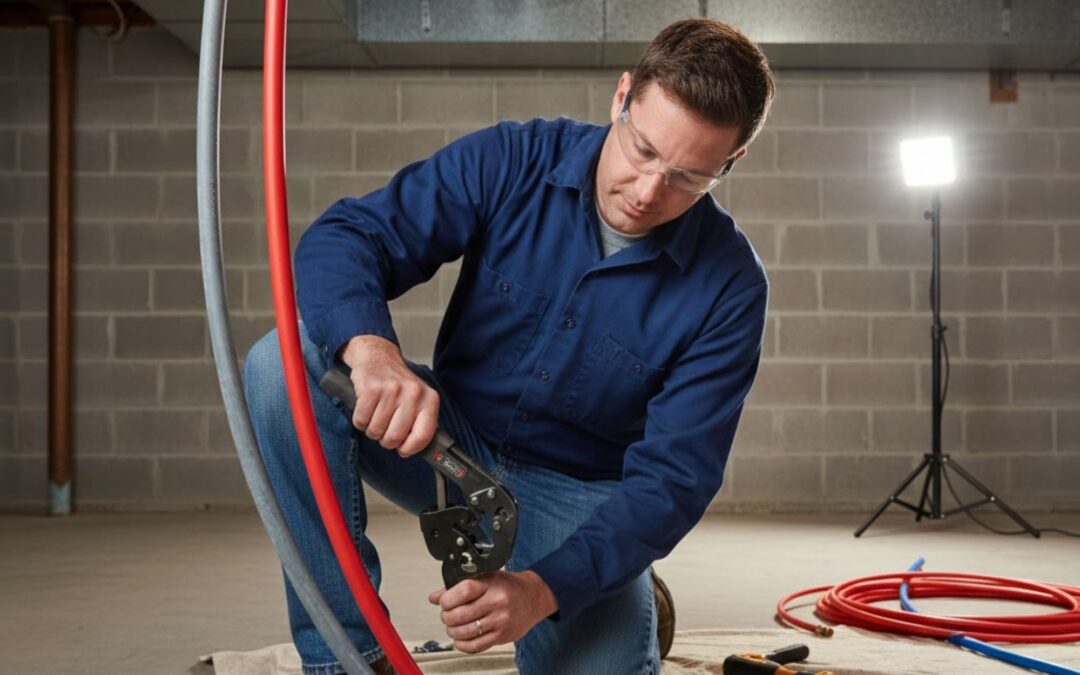
The cost of replacing polybutylene pipe is one of the most common concerns homeowners have in Northern Westchester and Putnam County. Many homes built in the 1980s and early 1990s still have polybutylene plumbing, and even when the pipes look fine on the surface, they pose a real risk of leaks, pipe bursts, and costly water damage.
If you live in areas like Yorktown Heights, Jefferson Valley, Mahopac, or Somers, this is especially relevant. Homes in these communities often hide aging plumbing systems behind walls, ceilings, or crawl spaces. A professional plumbing service can help you understand how much it costs to replace polybutylene pipes, what affects pricing, and when replacement makes sense to protect your plumbing system, home value, and peace of mind.
What Is Polybutylene Pipe and Why Does It Fail
Polybutylene pipe is a flexible plastic pipe that was widely installed in residential plumbing systems from the late 1970s through the mid-1990s. It was marketed as a low-cost alternative to copper piping and was commonly used for water supply lines throughout the house.
The problem is not age alone. Polybutylene plumbing reacts poorly with disinfectants found in municipal water supplies. Over time, this chemical reaction weakens the pipe from the inside out. The pipe may look fine externally, but the material becomes brittle and prone to sudden failure. Leaks often occur without warning and can lead to extensive water damage behind walls, under floors, or above ceilings.
Unlike isolated plumbing issues, polybutylene failure is considered a system-wide risk. Once the material starts breaking down, replacing fittings or short sections rarely solves the problem in the long run.
How to Identify Polybutylene Pipes in Your Home
Many homeowners are not sure what type of pipes they have until a leak occurs or a home inspection raises concerns. While a licensed plumber should always confirm pipe material, there are a few signs that may indicate polybutylene:
- Pipes are gray, blue-gray, or black plastic
- The material is stamped “PB,” “PB2110,” or “Polybutylene.”
- Pipes are flexible rather than rigid
- The home was built or renovated between 1978 and 1995
Polybutylene pipes are often found near water heaters, under sinks, in basements, or in crawl spaces. That said, appearances can be misleading. Other plastic pipes look similar, and assumptions can lead to unnecessary worry or missed risks. A professional plumbing inspection is the safest way to identify polybutylene pipes correctly.
Cost of Replacing Polybutylene Pipe
The cost of replacing polybutylene pipe varies widely depending on the size of the home, the layout of the plumbing system, and how accessible the pipes are. Nationally, most homeowners spend several thousand dollars on replacement, but local conditions in Westchester and Putnam County can influence the final cost significantly.
In general, costs vary significantly depending on whether you are replacing a single fixture line or performing a full repipe of the house. Labor costs, material choice, permit requirements, and wall or ceiling repairs all play a role. Below is a general reference table to help homeowners understand typical ranges. These are not quotes, but starting points for planning.
| Scope of Work | Typical Cost Range |
|---|---|
| Single fixture or short run | Lower range |
| Partial replacement (multiple areas) | Mid-range |
| Full repipe of the home | Higher range |
| PEX replacement | Lower than copper |
| Copper replacement | Most expensive option |
Homes with finished basements, multiple bathrooms, or limited access behind walls and floors often fall toward the higher end of the range.
What Factors Affect the Cost of Replacement
No two homes are plumbed exactly the same, which is why replacement costs vary so much from one house to another. Before reviewing specific numbers, it is important to understand what actually drives the cost. A proper evaluation looks at the entire plumbing system, not just the visible pipes. The goal is to replace polybutylene plumbing in a way that reduces future risk and avoids repeated repairs.
Several factors influence the total cost of replacing polybutylene pipes:
- Size of the home, number of bathrooms, and fixtures
- Length of pipe being replaced, often measured per linear foot
- Accessibility of pipes behind walls, ceilings, and floors
- Presence of crawl spaces or finished basements
- Material selected for replacement, such as PEX or copper
- Local building codes, permits, and inspection requirements
- Amount of wall, ceiling, or floor repair needed after replacement
Because of these variables, online cost calculators often miss important details. A licensed plumber who understands local building codes and home layouts can provide a far more accurate estimate. If you are concerned about labor costs or potential damage during replacement, a professional plumbing assessment can help clarify your options and avoid surprises.
Full Repipe vs Partial Replacement
One of the most common questions homeowners ask is whether they need a full repipe or if replacing only part of the polybutylene plumbing is enough. The answer depends on risk, not just visible damage.
Partial replacement may make sense when polybutylene is limited to a small, accessible area and the rest of the system has already been replaced. However, in many homes, polybutylene pipes are installed throughout the water supply system. Replacing only one section often leads to future leaks elsewhere.
A full repipe replaces all polybutylene pipes with new pipes made from modern materials. While the upfront cost is higher, it is often the safer bet in the long run. It reduces the risk of costly water damage, improves water quality, and provides peace of mind.
When a Full Replacement Is the Smarter Choice
A simple decision guide many homeowners find helpful includes asking:
- Has the home experienced multiple leaks or plumbing issues?
- Are you planning to sell or refinance the house?
- Has your home insurance questioned coverage due to polybutylene?
- Are the pipes original to the home?
If the answer to any of these is yes, a full replacement is often the smarter long-term solution.
Best Replacement Materials for Polybutylene Pipes
Once replacement is planned, the next decision is choosing the right material. The most common options today are PEX and copper piping. Each has advantages, and the right choice depends on the home, budget, and long-term goals.
PEX is a flexible plastic pipe that is widely used in modern plumbing systems. It is easier to install, requires fewer fittings, and often results in less wall and ceiling disruption. For many homeowners, it offers a reliable and cost-effective replacement option.
Copper piping is a traditional choice known for durability and longevity. It performs well in both hot and cold water applications and is often preferred in new construction or high-end renovations. However, copper is typically more expensive and labor-intensive to install.
| Material | Pros | Considerations |
|---|---|---|
| PEX | Flexible, lower labor costs, fewer fittings | Not ideal for all applications |
| Copper | Long lifespan, proven reliability | Higher material and labor cost |
A licensed plumber can help determine which material aligns best with your plumbing system, water supply, and budget.
How Long Does Polybutylene Replacement Take
Replacing polybutylene pipes is a structured process, not a rushed repair. Most projects follow a clear timeline that minimizes disruption while ensuring the work meets building codes.
The process typically includes:
- Inspection and confirmation of pipe material
- Planning the replacement scope and access points
- Securing permits if required
- Performing the replacement and testing the system
- Coordinating final inspections
For many homes, a full repipe can be completed within a few days, depending on size and access. Clear communication throughout the process is essential so homeowners know what to expect at each stage.
Insurance, Home Sales, and Polybutylene Pipes
Polybutylene plumbing can affect both homeowners’ insurance policies and home sales. Some insurance companies deny coverage or limit claims for homes with polybutylene pipes due to the high risk of pipe bursts and water damage.
During a home inspection, polybutylene plumbing is often flagged as a concern. This can reduce the buyer pool or lead to requests for replacement before closing. Addressing the issue proactively can help protect home value and avoid delays during a sale.
In communities across Northern Westchester and Putnam County, many homeowners choose to replace polybutylene pipes before listing their home to reduce complications and improve buyer confidence.
Why Local Experience Matters for Polybutylene Replacement
Homes in this region have unique challenges. Older construction, finished basements, and tight plumbing chases require careful planning. Local experience matters when navigating permits, inspections, and replacement strategies that work for these homes.
Goldberg Plumbing & Heating has served local homeowners for over 40 years. Our licensed plumbers focus on clear explanations, honest assessments, and long-term solutions. Whether the project involves a single fixture or a full repipe, we approach each job intending to protect your home and plumbing system. If you want an evaluation that prioritizes clarity over pressure, reaching out for a professional assessment is a practical next step.
Conclusion
Understanding the cost of replacing polybutylene pipe helps homeowners make informed decisions before leaks, insurance issues, or home sales create pressure. While costs vary significantly depending on several factors, proactive replacement is often the best way to protect your plumbing system and avoid extensive water damage.
Goldberg Plumbing & Heating is a trusted, family-owned company serving Northern Westchester and Putnam County. If you are concerned about polybutylene pipes or want a clear, honest assessment, contact us to schedule a professional plumbing evaluation and discuss the right solution for your home.
FAQs
Is it expensive to replace polybutylene pipes?
Replacing polybutylene pipes can be a significant investment, but costs vary widely depending on the size of the home and the scope of replacement. While partial replacements may be lower cost, full replacement is often more cost-effective in the long run by preventing repeated leaks and costly water damage.
Will insurance cover replacing polybutylene pipes?
Most homeowners’ insurance policies do not cover the cost of replacing polybutylene pipes proactively. Some policies may deny coverage for damage caused by polybutylene failures. Checking with your insurance provider and addressing the issue early can help reduce risk.
Is it worth replacing polybutylene pipes?
For most homeowners, replacing polybutylene plumbing is worth it. It reduces the risk of sudden pipe bursts, protects the plumbing system, and can improve home value. Many homeowners consider it a safe bet compared to ongoing repairs.