Frozen pipes are one of the most common and costly winter plumbing emergencies in Westchester County, especially when freezing temperatures cause burst pipes in uninsulated areas. Whether you’re facing a frozen water line or want to prevent damage during cold weather or long periods of freezing weather, this guide covers what to do and when to call for professional repair services.
What Causes Pipes to Freeze in Westchester, NY?
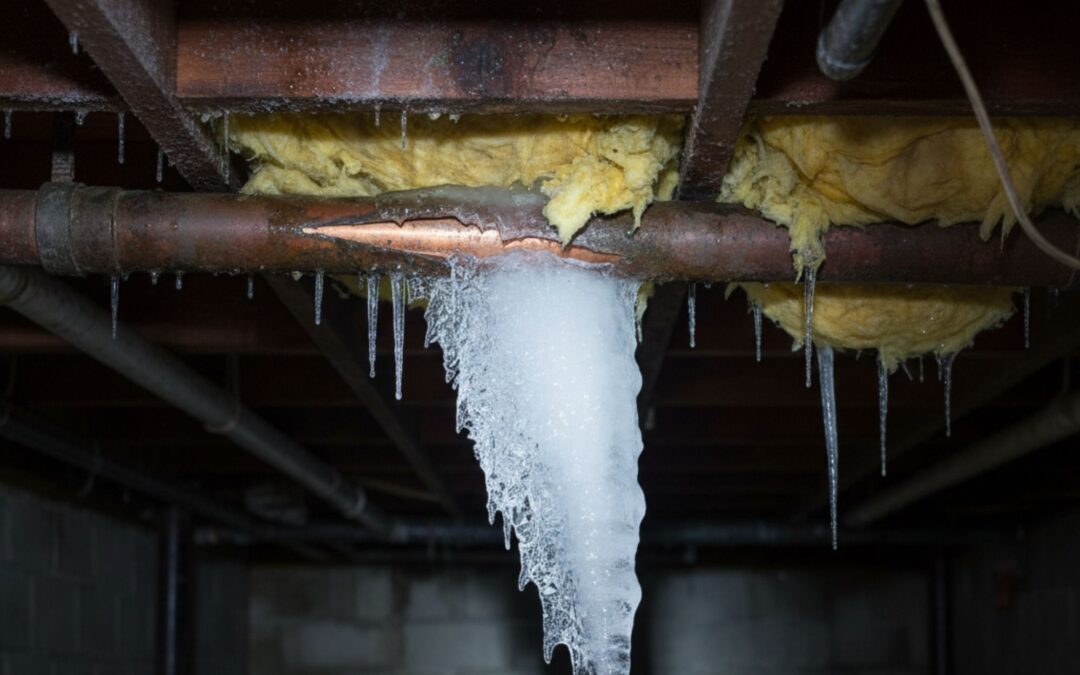
Frozen pipes happen when temperatures fall below 32°F and water inside the plumbing starts to freeze. This frozen water expands and puts pressure on the pipe walls, increasing the chance of a rupture. In Westchester, this is especially common in homes with older plumbing, poor insulation, or pipes running through unheated areas.
Several conditions contribute to frozen or leaking pipes:
- Poor pipe insulation or exposure to cold air in unheated crawl spaces, basements, or attics
- Pipes located in unheated zones like basements, garages, and crawl spaces
- Drastic temperature drops during overnight hours
- Gaps in exterior walls or around windows that let in cold air
- Lack of water flow during extended absences or vacations
Understanding where your pipes run and taking preventive measures before a freeze can help protect your entire home.
Signs You Have a Frozen Pipe
Early detection can help you avoid significant damage to your home. A frozen pipe is often a warning sign of deeper plumbing issues that could impact your water supply or sewage system if left unresolved.
Common signs to watch for include:
- No water or significantly reduced flow when using taps
- Frost buildup or ice visible on exposed pipes
- Unusual banging, clanking, or whistling noises from your plumbing
- Strange odors from drains due to blocked vent lines
- Bulging, cracked, or leaking pipes from pressure buildup
A frozen pipe may indicate larger plumbing issues waiting to happen. If you suspect freezing, shut off the water and contact plumbing experts who can inspect and resolve the problem safely. If you notice any of these signs during a cold spell, act quickly by shutting off your water and calling a professional plumber.
How to Safely Thaw Frozen Pipes
Thawing frozen pipes is possible, but it must be done carefully to avoid cracks, bursts, or even fire hazards. The goal is to apply consistent, gentle heat to the affected area and restore water flow without damaging the pipe material.
Follow these safe steps to thaw a frozen pipe:
- Shut off the main water supply to prevent flooding if the pipe breaks
- Locate the frozen section, which is usually near exterior walls or cold spaces
- Apply gentle heat with a space heater, warm towels, or a hair dryer
- Keep the faucet open to allow melting ice to drain and relieve pressure
- Start from the faucet end and work your way toward the frozen blockage
Never use an open flame, blowtorch, or boiling water to thaw pipes. If you can’t locate the freeze or thaw the pipe after 30 to 60 minutes, call a licensed plumber immediately.
What to Do If a Pipe Bursts
A burst pipe is a plumbing emergency that requires immediate attention. Water damage can spread quickly and lead to structural issues, mold growth, and electrical hazards. Burst pipes can cause significant property damage in just minutes. Act fast by turning off the water supply and calling a plumber who offers emergency repair services.
Here’s what to do right away:
- Turn off your home’s main water valve to stop the flow
- Shut off power in areas with standing water to avoid electrical danger
- Open faucets to relieve pressure and help drain the water system
- Call a trusted plumber to repair the damage and assess your system
- Take photos and contact your insurance provider if the damage is extensive
Professional Frozen Pipe Repair Services in Westchester
While temporary fixes can help in mild cases, a professional plumber is essential when frozen pipes crack, burst, or become inaccessible. Licensed technicians have the tools and experience to safely thaw, repair, and reinforce your plumbing system, especially in older homes or areas with recurring freeze issues. Licensed plumbers are equipped to handle everything from simple thawing to full pipe and sewer line repair.
The service includes:
- Fast on-site response times
- Trained and licensed plumbing technicians
- Emergency service during nights, weekends, and holidays
- Long-term repairs, not just temporary solutions
- Transparent pricing and expert recommendations
We also inspect your home’s plumbing for future risks and recommend insulation upgrades or smart monitoring to prevent future issues. Whether you’re in Mount Kisco, Peekskill, or White Plains, our team is ready to help when pipes freeze.
How to Prevent Frozen Pipes in the Future
Once your pipes are repaired or thawed, it’s critical to prevent future freeze events. Taking simple steps now can help you avoid expensive repairs next winter.
Start with these proven prevention strategies:
- Insulate pipes in unheated areas like crawl spaces, attics, and garages
- Seal cracks and gaps near plumbing lines, especially around windows and doors
- Set your thermostat to at least 55°F, even if you’re leaving home for a few days
- Open cabinet doors under sinks to let warm air reach pipes
- Let faucets drip slowly during extreme cold to keep water moving
- Install smart temperature monitors or water shutoff systems
Common Winter Plumbing Scenario in Westchester Homes
In many Westchester homes, especially those with older plumbing or limited insulation, pipes running through unheated spaces are at risk of freezing during cold snaps. When water inside the pipe freezes, it expands and increases pressure, sometimes leading to cracks or full bursts.
Situations like these often occur overnight or during extended periods of low water usage. The resulting leaks can quickly cause damage to walls, floors, or nearby belongings. Homeowners who act quickly by shutting off the main valve and contacting a licensed plumber can often minimize damage and avoid extensive repairs.
Frozen pipe incidents like this are a recurring issue during the winter months in Westchester. Being prepared and understanding what to look for can help reduce risk and improve your response when the temperature drops.
Conclusion
Frozen pipes are a serious risk during Westchester’s cold winters, but you don’t have to face them alone. Whether you’re trying to prevent frozen pipe or dealing with a burst pipe right now, taking fast, informed action can protect your home from costly water damage. With the right tools, timely repairs, and proper insulation, you can restore your plumbing and prevent future issues all season long.
If you’re facing frozen pipes or worried about the risk of bursts this winter, Goldberg Plumbing is here to help. We provide reliable frozen pipe repair and prevention services throughout Northern Westchester and Putnam Counties. Contact us today for fast, expert support and protect your home before the next freeze hits.
FAQs
How much does it cost to get frozen pipes fixed?
Frozen pipe repairs typically range from $150 to $500, depending on where the pipe is located, whether it burst, and how extensive the damage is. If water damage cleanup is required, costs may increase. Emergency or after-hours service may also add to the final bill, but Goldberg Plumbing offers upfront pricing so there are no surprises.
Can plumbers do anything for frozen pipes?
Yes, licensed plumbers have the tools and experience to thaw frozen pipes safely and efficiently. They use pipe thawing machines, heating wraps, or targeted heat sources that avoid damaging the pipe. If there’s a risk of bursting or if damage has already occurred, they can repair or replace the section immediately.
Is there any way to fix frozen pipes?
You can attempt to thaw frozen pipes yourself if you can locate the blockage and it’s in an accessible area. Use a space heater, heating pad, or warm towel and apply heat slowly. Keep faucets open to release pressure. However, if there’s no improvement or you’re unsure of the pipe’s condition, call a professional to avoid making the problem worse.
How to fix a frozen waste pipe?
Fixing a frozen waste pipe involves locating the blockage and applying gentle, consistent heat. This could be inside crawl spaces or outside walls where vent pipes are exposed. Use a space heater or heating cable if available. Avoid chemicals or boiling water, as these can damage the pipe. If thawing doesn’t work or you’re unable to access the pipe, a plumber can use inspection cameras and pipe heaters to resolve the issue safely.