
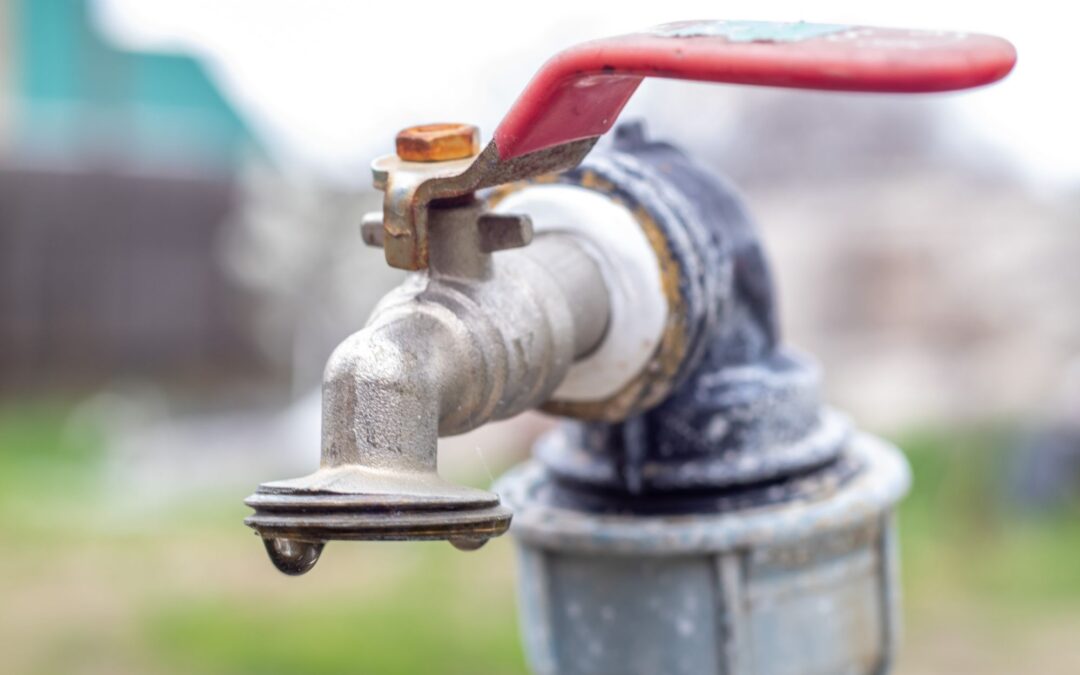
Hose bib replacement is a water system plumbing task, not an HVAC issue. When an outdoor faucet or outdoor spigot starts leaking, the problem is directly connected to your home’s water supply piping, not your heating or cooling system. In Westchester and Putnam County, freezing temperatures make hose bib replacement especially important because freeze damage affects the plumbing pipe inside your wall or basement.
An old hose bib that drips, cracks, or becomes difficult to operate can cause hidden water damage inside walls. Replacing a damaged bib protects your plumbing system, prevents structural deterioration, and keeps your garden hose connection safe year-round. If you notice leaking or corrosion, a professional plumbing service can inspect the connection and complete proper hose bib replacement.
What Is a Hose Bib in a Home Water System?
A hose bib, sometimes spelled hose bibb, is the outdoor faucet connected to your home’s plumbing water supply. It allows you to attach a garden hose for watering, washing, or filling outdoor containers. The pipe enters through the siding or foundation wall and connects to interior plumbing, typically copper pipe or PEX tubing.
Unlike HVAC systems that move air, a hose bib is part of the potable water plumbing network. When the valve is opened, pressurized water flows directly from your water line through the pipe to the outdoor spigot. Because it connects to your main plumbing system, any leaking or cracked fitting can impact the house’s interior water system.
Why Hose Bib Replacement Becomes Necessary
Hose bib replacement is usually required when the existing faucet body cracks, the connection fails, or internal components wear out. A leaking hose bib may drip for several seconds after shut off, which often signals washer or packing nut wear. However, freeze cracks in brass bodies or damaged threads require full replacement rather than a temporary fix.
Below are common reasons homeowners replace a hose bib:
| Issue | What Happens | Action Needed |
|---|---|---|
| Leaking after shut | Water continues dripping | Tightening or replace |
| Split from freezing | Brass body cracks | Replace immediately |
| Corroded threads | Hose will not seal | Replace fitting |
| Interior water stain | Leak inside the wall or the basement | Replace |
| Loose handle | Valve not controlling flow | Replace |
If your home is an old house built before frost-free designs were common, the original bib may not be designed for harsh freezing conditions. Replacing it with a modern frost-free unit reduces the risk of future pipe damage.
How Freezing Temperatures Affect the Plumbing System
Freezing temperatures affect water inside the pipe, not air systems. When water freezes, it expands and creates pressure inside the copper or PEX pipe. If a hose is left attached to the outdoor faucet, water cannot drain properly and remains trapped in the valve body. This leads to cracked fittings and interior leaks.
Even frost-free models can fail if improperly installed. The bib must be the correct length so that the shut-off valve sits inside the heated portion of the house. If the pipe enters too shallow or the valve remains in an unheated cavity, freezing damage can still occur.
What Happens During Hose Bib Replacement
Hose bib replacement begins by shutting off the interior shut-off valve that controls the exterior water line. Once the valve is shut, the outdoor spigot is opened to drain water from the pipe. Buckets are placed under interior access areas to catch residual water before proceeding with removal.
Removing the old hose bib depends on how it connects to the pipe. Threaded fittings require stabilizing the interior connection while turning the exterior faucet to avoid twisting the plumbing line. If the bib is soldered to copper, heat from a propane torch melts the soldering joint so the fitting can be removed carefully. Severely corroded connections may require cutting the pipe and installing a coupling before installing the new one.
Copper Pipe vs PEX Tubing Connections
Most homes in this region use copper pipe or PEX tubing for their water system supply lines. Each material requires a different approach during hose bib replacement. Copper connections require cleaning, flux application, and soldering using a propane torch to create a secure, watertight joint.
PEX tubing uses crimp fittings or push-to-connect systems such as SharkBite fittings. These allow connection without soldering and are common in modern plumbing systems. However, fittings should remain accessible for future verification and human review. Proper installation ensures the new hose bib connects securely to the water line without leaks.
Installing the New Hose Bib Correctly
Installing the new hose bib requires measuring the same length as the existing wall thickness so that the shut-off valve sits fully inside the heated area. The pipe enters through a hole in the siding or masonry, and the new fitting must be secure against the exterior wall to prevent movement when a garden hose is attached.
The bib must be installed with a slight downward pitch so water drains fully after shut off. Exterior-grade sealant should be applied around the hole where the pipe passes through the siding. After installation, the interior shut-off valve is reopened slowly, and the plumber waits several seconds to verify the connection remains dry before closing access areas.
The Importance of a Vacuum Breaker
Modern hose bib replacement should include a vacuum breaker, which prevents backflow contamination into the water supply. If a hose head is submerged in dirty water, the vacuum breaker prevents that water from siphoning back into your plumbing system. This protects drinking water quality and is required by many plumbing codes.
If your old hose bib lacks a vacuum breaker, replacement is an opportunity to upgrade your water system to current safety standards. This small component plays a critical role in protecting the overall plumbing network.
Winterizing to Prevent Future Damage
Even after hose bib replacement, winterizing remains essential. Always disconnect the garden hose before freezing weather arrives. Leaving a hose attached traps water inside the valve body and defeats frost-free protection. After shutting off the interior valve, open the exterior faucet for several seconds to allow the line to drain fully.
For additional protection, ensure the bib is not covered in a way that traps moisture, but consider a light insulated cover if recommended. These simple steps prevent future freezing damage and extend the lifespan of the plumbing fixture.
DIY or Hire a Plumber?
While some homeowners attempt hose bib replacement as a DIY task, soldering copper pipe, cutting drywall for access, and ensuring proper pitch require plumbing experience. A licensed plumber understands local water system codes, proper fittings, and secure installation methods.
Hiring a plumber reduces the risk of hidden leaks that can damage framing or insulation inside the wall. The cost of professional installation is typically far lower than repairing interior water damage caused by improper installation.
Cost Factors in Hose Bib Replacement
The cost of hose bib replacement depends on material, access, and connection type. A simple threaded replacement costs less than a project requiring soldering, cutting pipe, or adding a new shut-off valve. Upgrading from an outdated bib to a frost-free brass model may increase cost slightly but significantly improves long-term reliability.
| Cost Factor | Impact |
|---|---|
| Frost-free model | Moderate increase |
| Copper soldering | Adds labor |
| PEX conversion | Moderate |
| Wall access | Increases labor |
| Adding shut off valve | Recommended upgrade |
Investing in proper plumbing replacement protects your house’s water system from long-term freeze damage.
Conclusion
Hose bib replacement is strictly a water plumbing system task and plays a critical role in protecting your home from freeze-related water damage. Replacing an old hose bib with a frost-free brass unit ensures reliable outdoor water access year-round. Addressing leaking, freezing, or corroded fittings early protects your basement, walls, and overall plumbing system from costly future repairs.
Goldberg Plumbing & Heating works with homeowners throughout Westchester and Putnam County on hose bib replacement and outdoor faucet repairs as part of maintaining a safe, reliable water system. If you are noticing leaking, freezing concerns, or signs that your hose bib may need attention, contact us to discuss your options and schedule service when it makes sense for you.
FAQs
Can I replace a hose bib myself?
Yes, you can replace a hose bib yourself if the plumbing connection is accessible and does not require soldering copper pipe or cutting into finished walls, but if the old hose bib is soldered, connected to PEX tubing with specialty fittings, or located in a hard-to-access area, hiring a plumber is the safer option to prevent interior leaking and water damage.
Do I need a plumber to replace a hose bib?
You do not always need a plumber to replace a hose bib, but professional installation is recommended when soldering, pipe cutting, wall access, or frost-free upgrades are involved because a plumber ensures proper connection, correct length selection, secure installation, and pressure testing to reduce freeze-related plumbing damage.
What is the difference between a hose bib and a spigot?
There is no difference between a hose bib and a spigot, as both terms refer to the same outdoor faucet connected to your home’s water plumbing system, where you attach a garden hose, with “hose bibb” being the technical plumbing term and “spigot” being the more common everyday term.
How much does it cost to replace a hose bib?
The cost to replace a hose bib depends on accessibility, pipe type, and whether upgrades such as a frost-free model or new shut-off valve are required, with simple threaded replacements costing less than installations involving soldering copper pipe, replacing damaged fittings, or opening walls for access.