
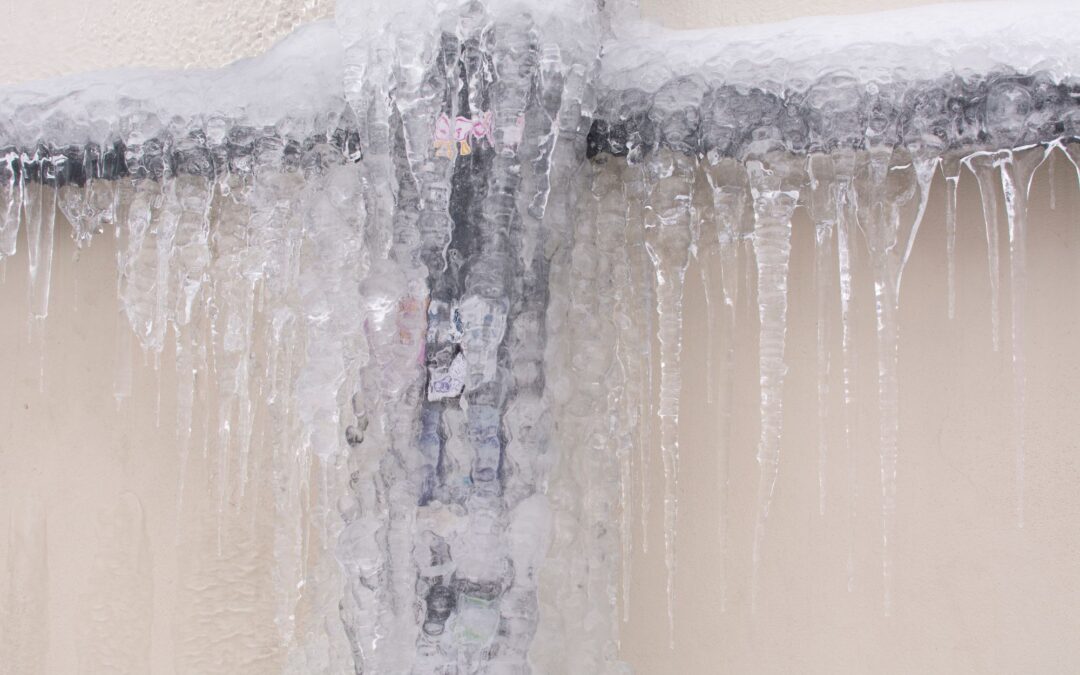
Every winter, thousands of homeowners wake up to a nightmare scenario: burst pipes flooding their homes and causing thousands of dollars in water damage that could have been prevented with simple preparation. Learning how to prevent frozen pipes isn’t just about avoiding inconvenience; it’s about protecting your home from potentially catastrophic damage when temperatures drop below freezing.
When water freezes inside your pipes, it expands by roughly 9%, creating tremendous pressure that can cause even the strongest pipes to crack or burst completely. The aftermath often involves emergency plumber calls, extensive water damage repair, and insurance claims that can take months to resolve.
Why Pipes Freeze and Where Freezing Happens Most
When temperatures drop below 32°F, the water in your pipes begins to freeze. As expanding water creates pressure, pipes crack or burst, often in multiple locations. The real damage happens when ice melts and water flows freely through broken pipes into your home.
Most Vulnerable Areas
- Outdoor plumbing: This includes hose bibs, swimming pool supply lines, and sprinkler lines, which are at the highest risk of freezing due to direct exposure to cold temperatures and often lack insulation or protection.
- Unheated spaces: Areas like basements, crawl spaces, attics, and garages can easily fall below freezing, even when the rest of your home stays warm, putting any pipes in these zones at risk.
- Exterior wall pipes: Pipes located against or within exterior walls may not have enough insulation, leaving them vulnerable to freezing as outside temperatures drop.
- Under-sink areas: Pipes beneath sinks in kitchens and bathrooms can freeze if cabinet doors remain closed, preventing warm air from circulating and keeping the space too cold.
Fall Preparation: Winterizing Your Home
Protect Outdoor Plumbing
Start your winter preparation in early fall, before severe cold arrives.
- Disconnect garden hoses: Remove all garden hoses and store them indoors. Water left inside can freeze, expand, and back up into your home’s plumbing, causing damage.
- Shut off outdoor water: Locate and close the interior shut-off valves for outdoor faucets, usually found in the basement. After shutting them off, open the outdoor spigots to let any remaining water drain out.
- Winterize pools and sprinklers: Drain all water from swimming pool supply lines and sprinkler systems following manufacturer guidelines. For more complex setups, it’s often best to hire a professional to ensure full winterization.
Insulate Your Pipes
- Use foam pipe sleeves: Pre-formed insulation tubes that easily slip over pipes to provide quick, effective protection. They’re widely available at hardware stores and ideal for most exposed indoor plumbing.
- Install heat tape or heat cable: These electric heating elements are designed for pipes in extremely cold areas. They automatically activate when temperatures fall and help prevent freezing—be sure to use only UL-listed products for safety.
- Wrap exposed pipes: In a pinch, use pipe insulation or even layers of newspaper to cover vulnerable pipes. Prioritize areas like crawl spaces, basements, and pipes along exterior walls.
- Seal air leaks: Use caulk or expanding foam to seal gaps around pipes where they enter walls, floors, or foundations. This blocks cold drafts from reaching your plumbing and adds an extra layer of freeze prevention.
Temperature Management During Cold Weather
Set Your Thermostat Properly
Keep your home at a consistent temperature day and night during cold spells. Don’t lower the thermostat at night when freezing weather is expected. If leaving home during cold weather, never set your thermostat below 55°F. The extra heating cost is minimal compared to the potential pipe damage. A steady indoor temperature helps keep pipes in walls, crawl spaces, and attics from freezing. Even a short drop in temperature can lead to burst pipes and costly repairs.
Improve Heat Distribution
Open bathroom cabinet doors and kitchen cabinet doors to let warmer air circulate around pipes, especially in colder areas. Be sure to remove any cleaning products if you have children. Keep interior doors open to maintain consistent temperatures throughout the home. Close garage doors if you have water supply pipes in the garage to prevent heat loss and reduce the risk of freezing.
Active Prevention During Extreme Cold
Let Faucets Drip
When temperatures drop significantly, let cold water drip from faucets served by exposed pipes. Even a small trickle helps prevent freezing by keeping water moving and relieving pressure. Focus on faucets farthest from your main water line or those connected to water supply pipes in unheated areas, as these are most at risk.
Monitor Your Home
Check pipes in vulnerable areas during cold snaps, watching for signs like frost on exposed pipes or reduced water pressure, which may indicate freezing. Stay alert to weather forecasts and take extra precautions when temperatures are expected to remain below freezing for extended periods.
What to Do If Pipes Freeze
If only a trickle comes from a faucet, you may have frozen pipes. Keep the faucet open and apply heat using safe methods. Use an electric heating pad wrapped around the pipe, an electric hair dryer, a portable space heater, or towels soaked in hot water to slowly warm the area. Always work from the faucet toward the frozen section.
Never use open flame devices, propane heaters, or charcoal stoves, and make sure any heat source is kept away from flammable materials. After thawing, check your home for additional frozen pipes to avoid further issues.
When to Call a Licensed Plumber
Call a licensed plumber right away if you discover burst pipes, can’t thaw them yourself, or suspect they’re located behind walls or in hard-to-reach areas. Professional help is essential for safely resolving hidden or recurring freezing issues.
Also, make sure you know where your main shut-off valve is before an emergency occurs. It’s typically located where the water line enters your home or inside a concrete box near the street.
Prevention vs. Repair Costs
Preventing frozen pipes is inexpensive. Basic supplies like pipe insulation, heat tape, and winterization materials usually cost less than $100. In contrast, repairs can be far more expensive.
Costs may include emergency plumber visits, pipe replacement, water damage restoration, and temporary hotel stays. While most homeowners’ insurance covers sudden pipe bursts, it may not cover damage caused by poor maintenance.
Conclusion
Protecting your home from frozen pipes takes a bit of planning, but the effort is well worth it. Simple steps like insulating exposed plumbing, maintaining indoor temperatures, and winterizing outdoor systems can help you avoid costly repairs and serious water damage. Staying proactive during cold weather not only safeguards your property but also gives you peace of mind through the winter months.
At Goldberg Plumbing, we help homeowners across Northern Westchester and Putnam Counties stay ahead of winter pipe problems with reliable and professional solutions. From winterizing exposed lines to repairing frozen or burst pipes, our licensed experts make sure your plumbing is protected all season long. Stay prepared. Contact us today to schedule your winter plumbing service.
FAQs
How do I stop my pipes from freezing?
Insulate exposed water supply lines with foam sleeves or heat tape, keep your home above 55°F, and let faucets drip during extreme cold. Focus on pipes in unheated areas like basements, crawl spaces, and along exterior walls.
Do all faucets need to drip to prevent freezing?
No, only let faucets drip that are connected to exposed or vulnerable pipes in unheated areas. Focus on faucets farthest from your main water line or those serving pipes along exterior walls.
At what temperature do pipes freeze?
Pipes typically start freezing when temperatures drop to 32°F or below, but the risk increases significantly when temperatures stay below 20°F for extended periods. Pipes in unheated areas can freeze even when outdoor temperatures are above freezing.
Will leaving water running prevent freezing?
Yes, even a small drip helps prevent freezing by keeping water moving through the pipes and relieving pressure. However, if pipes do freeze, you’ll need to safely thaw frozen pipes using gentle heat sources like hair dryers or heating pads.