
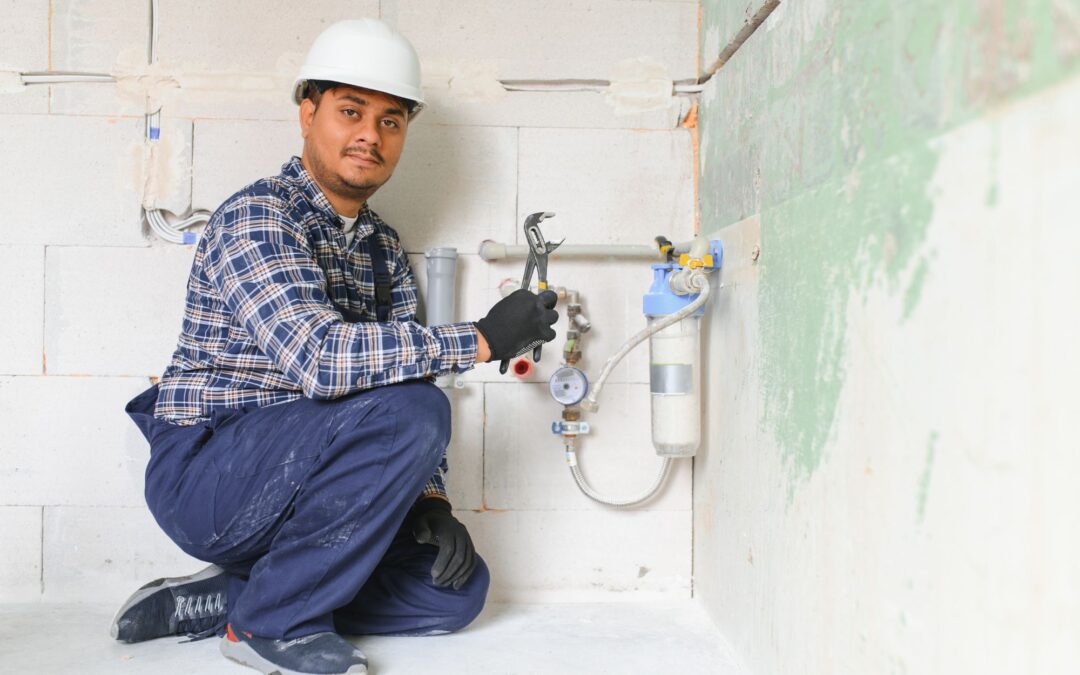
If you are trying to replace water pressure regulator, chances are you have already noticed changes in your home’s water pressure. Fixtures may feel stronger than usual, pipes may start making noise, or leaks may appear where they never existed before. These issues are common in homes across Northern Westchester and Putnam County, especially in older properties where plumbing systems have been in place for decades.
A water pressure regulator plays a quiet but critical role in protecting your home’s plumbing system. When it fails, the damage can spread quickly to fixtures, appliances, and pipes. At Goldberg Plumbing & Heating, we help homeowners in Yorktown Heights, Mahopac, Jefferson Valley, Somers, and nearby communities understand what is happening in their plumbing and how to fix it the right way.
What a Water Pressure Regulator Does and Why It Matters
A water pressure regulator, also known as a water pressure reducing valve or pressure reducing valve, controls the incoming water pressure from the water supply before it enters your home’s plumbing system. Its purpose is to keep pressure within a safe range so pipes, fixtures, and water-using appliances operate as intended.
Most residential plumbing systems are designed to function best when water pressure stays between 40 and 60 psi (pounds per square inch). Incoming water pressure from the municipal system or a private supply can exceed that range, particularly during off-peak hours. Without proper regulation, excessive pressure places stress on pipes, fittings, and valves throughout the house.
Over time, high pressure can shorten the life of plumbing fixtures, increase the risk of leaks, and damage appliances like water heaters, washing machines, and dishwashers. In many Northern Westchester and Putnam County homes, pressure regulators were installed years ago and have gradually worn down due to corrosion, sediment, and normal aging. Replacing a failing regulator restores stable pressure and helps protect the entire plumbing system.
Signs You May Need to Replace a Water Pressure Regulator
A failing water pressure regulator does not always stop working suddenly. In many cases, it causes gradual changes that homeowners may overlook at first. Recognizing these early signs can help prevent more serious plumbing damage.
Common Warning Signs Inside the Home
Homeowners often notice one or more of the following issues when a regulator begins to fail:
- Sudden increases or drops in water pressure at fixtures
- Noisy pipes, including banging or vibrating sounds
- Frequent leaks at faucets, toilets, or hose connections
- Dripping from the water heater’s pressure relief valve
- Uneven pressure between hot and cold water
Why These Symptoms Should Not Be Ignored
These warning signs usually indicate that the regulator can no longer manage incoming water pressure effectively. High pressure increases wear on joints and fittings, which can lead to hidden leaks inside walls or ceilings. Over time, this stress may result in higher water bills, premature appliance failure, and costly repairs. Addressing regulator issues early helps limit damage and maintain a stable plumbing system. If you notice multiple symptoms, scheduling a professional pressure check is often the safest next step.
How to Check Your Home’s Water Pressure Before Replacing
Before deciding to replace a water pressure regulator, it helps to confirm whether your home’s water pressure is actually outside the normal range. This step can clarify whether the problem is with the regulator or another part of the plumbing system.
How to Measure Water Pressure Using a Gauge
The most accurate way to measure water pressure is by using a pressure gauge attached to an exterior hose bib or laundry connection. This tool measures pressure in pounds per square inch and gives a clear snapshot of what is entering the home.
To check pressure properly:
- Turn off all water-using appliances and fixtures
- Attach the gauge to a hose bib near the water meter
- Open the valve fully and record the reading
- Watch for changes over several minutes
What Your Pressure Readings Mean
Pressure readings between 40 and 60 psi are generally considered normal. Readings consistently above 60 psi suggest elevated pressure, while readings approaching or exceeding 80 psi often indicate a failing regulator. Pressure that fluctuates without any changes in water use can also point to internal regulator problems. When readings are unclear or inconsistent, a professional evaluation can provide more reliable results.
Adjusting vs. Replacing a Water Pressure Regulator
Many homeowners wonder whether adjusting the regulator is enough or if replacement is necessary. The answer depends on the condition of the existing regulator and how it responds to adjustment.
When Adjustment May Still Work
Most regulators include an adjusting screw that allows minor pressure changes. Adjustment may be effective if:
- The regulator responds immediately to changes
- Pressure stabilizes within the normal range
- There are no leaks or corrosion
In these cases, adjustment can serve as a temporary solution.
When Replacement Is the Better Long-Term Solution
Replacement is usually the safer option when:
- Pressure does not change after adjustment
- Leaks appear around the regulator
- Internal corrosion or sediment buildup is present
- Pressure fluctuates despite repeated adjustments
In older homes, particularly those with an existing regulator installed many years ago, replacement often provides more reliable protection than repeated adjustments. A new regulator restores consistent pressure and reduces strain on the plumbing system.
How to Replace a Water Pressure Regulator
Replacing a water pressure regulator involves more than simply swapping out a part. The installation process requires shutting down the water supply, relieving pressure, and ensuring the new regulator is installed correctly and adjusted to the proper range.
Overview of the Replacement Process
A typical replacement includes:
- Shutting off the main valve near the water meter
- Draining remaining water from the plumbing system
- Removing the existing regulator and inspecting pipe condition
- Installing a new pressure regulator with appropriate fittings
- Applying pipe dope or teflon tape to create watertight joints
- Adjusting pressure to the correct psi range
- Testing for leaks and stable water flow
Common Challenges Homeowners Run Into
In many homes, regulators are installed in tight spaces or connected to older pipes. Corrosion, outdated fittings, or the need for soldering can complicate the job. Improper installation may lead to leaks, unstable pressure, or code compliance issues.
Working with a professional plumber ensures the regulator is properly sized, installed, and adjusted according to local codes. Goldberg Plumbing & Heating provides dependable water pressure regulator replacement and ensures the system protects your home’s plumbing for the long term.
What Affects the Cost to Replace a Water Pressure Regulator
The cost to replace a water pressure regulator varies depending on several factors. Understanding these variables helps homeowners know what to expect when requesting an estimate.
Factors That Influence Total Cost
| Cost Factor | Why It Matters |
|---|---|
| Accessibility | Regulators in tight or enclosed spaces require more labor |
| Pipe condition | Corroded pipes may need repair or replacement |
| Regulator type | Different sizes and designs affect material costs |
| Installation needs | Soldering or pipe modification increases labor |
| Service timing | Emergency service may cost more than scheduled work |
Why Professional Estimates Are More Accurate
A professional estimate accounts for both labor and materials, as well as any necessary compliance with local codes. This approach helps prevent surprises and ensures the regulator replacement protects the entire plumbing system.
Water Pressure Regulators in Northern Westchester and Putnam County Homes
Local conditions play a major role in water pressure issues across Yorktown Heights, Mahopac, Jefferson Valley, Somers, and surrounding areas. Many homes in Northern Westchester and Putnam County were built decades ago, using pipes and fittings designed for lower pressure levels than what modern municipal systems often deliver today. As water infrastructure has evolved, incoming pressure has increased, putting added strain on older plumbing systems.
Municipal supply fluctuations, especially overnight pressure spikes during low-demand hours, can accelerate wear on aging pipes, joints, and valves. Over time, this added stress increases the risk of leaks, fixture failures, and appliance damage. Plumbers should understand these local conditions and evaluate water pressure regulators with the home’s age, plumbing layout, and water supply in mind, ensuring replacements are properly sized and set to protect the system long term.
When to Call Goldberg Plumbing & Heating
Some water pressure issues require immediate professional attention because ignoring severe pressure problems can lead to costly damage throughout the plumbing system. You should call a plumber if pressure readings exceed safe limits, leaks appear after adjusting the regulator, or water-using appliances and the water heater show signs of stress, such as inconsistent performance or dripping relief valves. Addressing these warning signs early helps protect pipes, fixtures, and appliances from long-term damage and unexpected failures.
What to Expect During a Professional Evaluation
A professional evaluation includes pressure testing, inspection of the regulator and surrounding pipes, and clear recommendations. Goldberg Plumbing & Heating focuses on honest communication and long-term solutions, not unnecessary upselling.
Conclusion
Replacing a water pressure regulator at the right time helps prevent leaks, reduce wear on appliances, and protect your home’s plumbing system from long-term damage. Understanding the signs of failure and knowing when to call a professional makes a real difference.
If you live in Northern Westchester or Putnam County and suspect pressure issues, Goldberg Plumbing & Heating is here to help. Our family-owned team provides clear evaluations and dependable plumbing solutions tailored to your home. Contact us today to schedule a water pressure assessment and keep your plumbing system working safely and efficiently.
FAQs
How much should it cost to replace a water pressure regulator?
The cost depends on accessibility, pipe condition, and installation complexity. Most replacements include labor and materials, with additional costs if soldering or pipe repairs are needed. A professional estimate provides clarity before work begins.
How can you tell if a water pressure regulator is bad?
A bad regulator often causes fluctuating pressure, noisy pipes, leaking fixtures, or dripping pressure relief valves. Pressure readings outside the normal 40 to 60 psi range are another indicator. A plumber can confirm failure through testing.
Can you replace a water pressure regulator yourself?
Some homeowners attempt replacement, but the process often involves shutting off the main valve and working near the water meter. Mistakes can lead to leaks or pressure problems. Many homeowners choose a professional plumber for safety and reliability.
How often should you change your water pressure regulator?
Most regulators last between 10 and 15 years, depending on water quality and usage. Homes with sediment or consistently high pressure may require earlier replacement. Regular inspections help determine the right timing.