
Many homeowners ask how to tell if they have hard water when cleaning becomes harder, or when water feels different. Hard water is a widespread water quality issue caused by dissolved minerals in the water supply. These minerals are not dangerous, but they can create ongoing problems inside your home.
Knowing how to tell if you have hard water helps you protect your plumbing system and appliances. The signs often appear slowly and are easy to ignore at first. Over time, mineral buildup can affect water flow, water pressure, and everyday comfort. In this guide, you will learn the most common signs of hard water, how to test your water at home, and when to consider professional water testing or treatment.
What Hard Water Is and Why It Happens
Hard water contains high levels of dissolved minerals, mainly calcium and magnesium. These minerals enter the water supply as water moves through rock and soil underground. Calcium carbonate is one of the most common contributors to water hardness.
Water hardness is measured in grains per gallon or parts per million. Water above seven grains per gallon is usually considered hard. Soft water contains very low mineral content and behaves differently in the home. Hard water is common in both well systems and city water supplies. Municipal treatment removes bacteria but does not remove hardness minerals.
How to Tell If You Have Hard Water by Looking at Fixtures
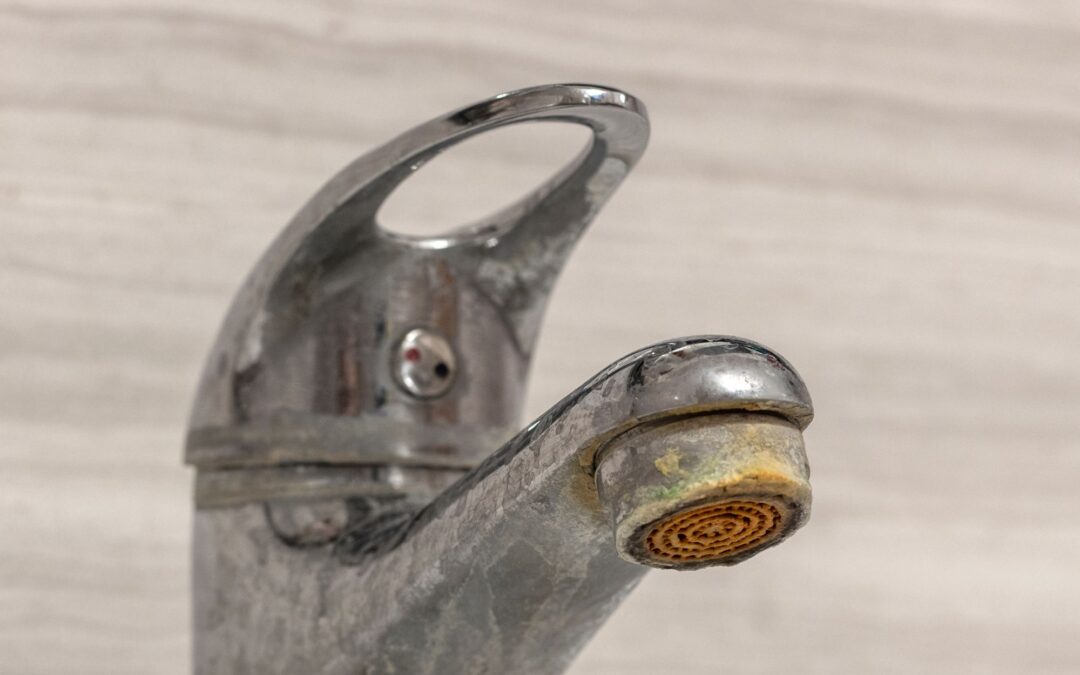
One of the easiest ways to tell if you have hard water is by looking at fixtures. Faucets and shower heads often develop white or chalky mineral deposits. These deposits are residue left behind after water evaporates.
Shower doors and shower curtains may develop cloudy film that returns quickly after cleaning. Soap scum buildup appears on tubs, sinks, and tile surfaces. These signs usually indicate high mineral content in the water. Mineral buildup forms when soap reacts with calcium and magnesium. This reaction creates an insoluble substance that sticks to surfaces instead of rinsing away.
How to Tell If You Have Hard Water Through Skin and Hair Changes
Another way to tell if you have hard water is by how the water feels on your body. Hard water prevents soap from rinsing completely. This leaves residue on the skin and hair after bathing. Many people experience dry skin or itchy skin after showers. Hair may feel dull, heavy, or difficult to manage. People with sensitive skin often notice irritation sooner. These effects happen because minerals interfere with soap performance. Even quality soaps struggle to rinse clean in hard water.
How to Tell If You Have Hard Water Through Laundry Results
Laundry problems are another common sign of hard water. Clothes washed in hard water may feel stiff or rough. Towels may lose softness even when fabric softener is used. White clothes can appear dull or gray over time. Colors may fade faster than expected. These changes happen because minerals remain trapped in fabrics. Hard water also reduces detergent efficiency. This often leads to using more soap without better results.
How Hard Water Affects Water Flow and Water Pressure
Hard water not only affects surfaces and fabrics. Mineral buildup also forms inside pipes over time. This buildup gradually reduces water flow through the plumbing system. You may notice lower water pressure at faucets or shower heads. Water may take longer to fill sinks or tubs. These changes often develop slowly and worsen without treatment. Reducing water flow increases strain on pipes and fixtures. This can lead to leaks or premature plumbing wear.
How to Check Water Hardness by Checking Appliances
Water-using appliances provide additional clues about water hardness. The water heater is especially affected by mineral buildup. Minerals settle at the bottom of the tank and around heating elements. This buildup reduces heating efficiency and increases energy use. Over time, it can shorten the lifespan of the water heater. Dishwashers and washing machines can experience similar damage. Frequent appliance repairs or early replacement may indicate a hard water problem.
How to Test for Hard Water at Home
If you suspect hard water, water testing helps confirm it. One common method is using a test strip or test kit. These strips change color to indicate hardness levels. Another option is the soap test using pure liquid soap. Fill a bottle with cold water and add a few drops of soap. Shake the bottle and observe the lather.
If the water stays cloudy and produces little foam, hardness is likely present. These tests provide guidance but not exact measurements.
Using Water Quality Reports to Identify Hard Water
Homes on city water can use a water quality report from their local water provider to help determine if they have hard water. These reports often list water hardness levels, mineral content, and other details about the public water supply. Reviewing this information can provide a general idea of whether calcium and magnesium are present in higher amounts.
However, water quality reports reflect water as it leaves the treatment facility, not what reaches your tap. Aging pipes, mineral buildup, and changes within your plumbing system can alter water quality inside the home. For this reason, reports are helpful for reference but should not be the only way to determine water hardness.
Why Professional Water Testing Is More Accurate
A professional test provides the most reliable way to tell if you have hard water. Professionals measure mineral content and overall water hardness. They also check for iron, bacteria, and other water issues.
Professional testing helps rule out harmful bacteria that require different treatment. It also identifies multiple water problems at once. This information allows for personalized recommendations. Accurate testing prevents guessing and ensures the correct solution is chosen.
Hard Water Compared to Soft Water
| Feature | Hard Water | Soft Water |
|---|---|---|
| Mineral content | High calcium and magnesium | Low mineral content |
| Soap behavior | Poor lather and soap scum | Lathers easily |
| Effects on skin | Dry or itchy | Smoother feel |
| Impact on pipes | Mineral buildup | Minimal buildup |
| Appliance efficiency | Reduced | Improved |
Understanding this difference explains why soft water improves daily water use.
Common Hard Water Problems Over Time
Hard water problems increase when mineral buildup continues unchecked. Pipes become narrower and water pressure drops. Appliances lose efficiency and require more energy. Cleaning becomes harder as residue continues forming on surfaces. Glassware, dishes, and fixtures rarely stay clean. These issues indicate ongoing hardness. Ignoring these signs often leads to higher repair and replacement costs.
Solutions After You Tell If You Have Hard Water
Once you know how to tell if your water is hard, treatment becomes the next step. A water softener is the most effective long-term solution. These systems remove calcium and magnesium before water enters the plumbing.
Some homes benefit from additional filtration systems. These address other minerals, chlorine taste, or sediment. Treatment depends on the water supply and test results. Surface cleaning alone does not fix the underlying problem. Treating water at the source provides lasting improvement.
Why Personalized Recommendations Matter
No two homes have identical water conditions. Pipe materials, water supply source, and mineral content vary widely. A system that works for one home may not work for another. Personalized recommendations ensure proper system sizing and performance. They also prevent unnecessary equipment installation. This approach improves efficiency and long-term results. Professional testing supports informed decision-making.
When to Take the First Step
You should consider testing if you notice soap scum, rough clothing, or dry skin. Reduced water pressure or appliance issues are also warning signs. These symptoms usually indicate mineral buildup. Testing confirms whether hard water is present. It also helps determine the best solution for your home. Early action prevents long-term plumbing and appliance damage.
Conclusion
Learning how to notice water hardness allows you to protect your home’s water system. Hard water is not dangerous, but it creates costly problems over time. Recognizing the signs early helps prevent damage.
If you notice signs of hard water, Goldberg Plumbing & Heating offers free water system analysis in Northern Westchester and Putnam Counties. Our licensed professionals test your home water quality and provide clear recommendations. Contact us today to schedule an assessment.
FAQs
How do I tell if my water is hard or soft?
Hard water often leaves soap scum, white spots on dishes, and residue on fixtures. Testing with a strip or professional analysis confirms whether your water is hard or soft.
What are the symptoms of hard water on the body?
Hard water can cause dry or itchy skin and hair that feels dull or heavy due to soap residue that does not rinse away.
Can I test for hard water at home?
Yes. Test strips and soap tests provide a basic indication, but professional testing offers accurate hardness measurements.
How do I tell if I need a water softener?
If you experience mineral buildup, reduced water pressure, appliance issues, or ongoing water problems, a water softener may be the right solution. Testing confirms the need.