Clean drinking water is something every Jefferson Valley family depends on, but many homeowners don’t realize that problems often occur between the public water system and the tap. Private wells, aging plumbing, and even regional groundwater conditions can all introduce contaminants that affect your water’s safety. That’s why understanding how to test water quality in Jefferson Valley is so important.
To test your water properly, you’ll need to collect a sterile sample and submit it to a state-certified laboratory for analysis. These labs provide detailed reports showing whether your water meets EPA drinking water standards and highlight any issues with bacteria, nitrates, lead, or other harmful contaminants.
At Goldberg Plumbing, we’ve helped families in Jefferson Valley, and surrounding Westchester communities for over 40 years. We guide homeowners from testing through interpretation and provide professional filtration and water system installation so you can have safe, reliable water in your home. If you want peace of mind about your tap water, we’re here to help.
Why Testing Water Quality Matters
Testing your water is a critical step in protecting your family’s health and your home’s plumbing. Coliform bacteria, nitrates, lead, arsenic, and PFAS are some of the contaminants that can find their way into both private wells and public water supplies. Even municipal water in Westchester County, while regularly tested, can pick up contaminants as it travels through aging pipes into Jefferson Valley homes. The U.S. EPA has set standards for more than 80 contaminants that may occur in drinking water and pose a risk to human health, underscoring the importance of regular testing.
Health effects from contaminated water can be serious. Nitrates are dangerous for infants, lead can cause neurological damage in children, and arsenic exposure has long-term cancer risks. Even when water is not hazardous, high mineral content can create hard water, damaging appliances and fixtures. By scheduling regular testing, Jefferson Valley homeowners can identify potential risks early and work with trusted professionals like Goldberg Plumbing to ensure their water is safe and their plumbing systems are protected.
Common Contaminants Found in Jefferson Valley Water
Testing helps reveal what you can’t see, smell, or taste. The most common contaminants affecting Jefferson Valley and nearby Yorktown include:
| Contaminant | What It Means | Potential Risks | Treatment Options |
|---|---|---|---|
| Total Coliform Bacteria | Indicator of microbial contamination | Can signal harmful bacteria like E. coli | UV disinfection, chlorination |
| Nitrates | From fertilizer or septic systems | Dangerous for infants, blue baby syndrome | Reverse osmosis, ion exchange |
| Lead | From aging plumbing | Neurological damage in children/adults | Pipe replacement, RO filters |
| PFAS | Industrial chemicals | Long-term immune and organ risks | Activated carbon, RO systems |
| Hard Water Minerals | Natural groundwater deposits | Scale buildup, appliance wear | Water softeners |
How to Test Water Quality at Home (Step-by-Step Guide)
Testing your water in Jefferson Valley is straightforward if you follow the right process:
- Contact a Certified Lab: Get in touch with a state-certified laboratory or your local health department. They’ll provide sterile bottles and clear collection instructions.
- Collect the Sample Properly: Remove faucet aerators, let the water run, and carefully fill the bottle without touching the inside of the cap or container.
- Store the Sample Correctly: Keep it cool and deliver it as soon as possible. Samples for bacteria testing usually need to be processed within 24 hours.
- Submit the Sample Promptly: Bring the sample to the lab or designated drop-off site. Delays may affect results.
- Review and Act on Results: Compare your results against EPA drinking water standards, or work with professional plumbers to interpret the report and plan next steps.
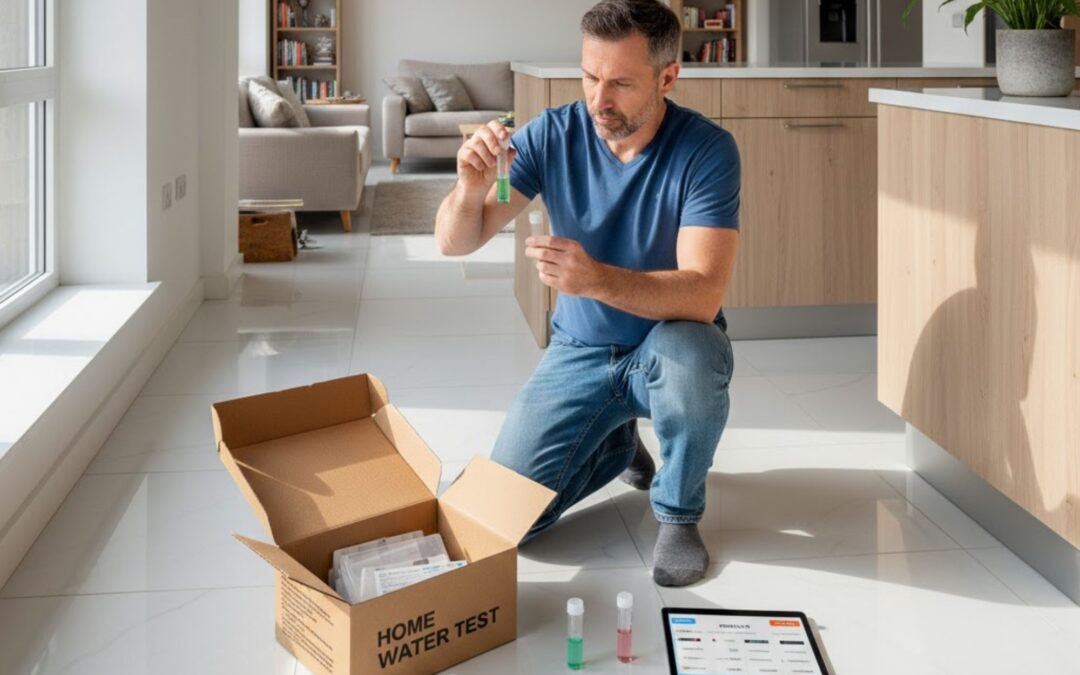
While at-home test strips are available, they don’t replace certified testing. They may detect issues like high chlorine or pH imbalances, but only lab testing can confirm coliform bacteria, heavy metals, or other harmful contaminants. Goldberg Plumbing can help Jefferson Valley residents understand their reports and install treatment systems that address specific water concerns.
Interpreting Your Water Test Results
Water test reports can be intimidating, but each measurement has clear standards. Exceeding those standards means corrective action is needed.
| Parameter | EPA Standard | If Exceeded | Action |
|---|---|---|---|
| Total Coliform Bacteria | 0 colonies | Unsafe, possible E. coli | Disinfect, re-test |
| Nitrates | 10 mg/L | Unsafe for infants/pregnancy | RO filtration |
| Lead | 15 ppb | Unsafe at any level | Replace pipes, RO filter |
| TDS (Total Dissolved Solids) | 500 mg/L | Bad taste, scale issues | RO or softener |
If your results exceed safety limits, don’t delay. Goldberg Plumbing can design a custom water treatment plan for your Jefferson Valley home.
Treatment Options for Homeowers
Once contaminants are identified, the next step is treatment.
- UV Light Systems: Kills bacteria and viruses common in well water.
- Reverse Osmosis (RO): Removes nitrates, arsenic, lead, and PFAS.
- Activated Carbon Filters: Reduces chlorine, pesticides, and VOCs.
- Water Softeners: Handle hardness minerals like calcium and magnesium.
Homeowners often need a combination system. For example, pairing a water softener with an RO filter ensures protection from both minerals and harmful chemicals.
How Often Should You Re-Test?
Water quality can change quickly. Private well owners in Jefferson Valley should test at least once per year for coliform bacteria, nitrates, pH, and TDS. You should also re-test after:
- Plumbing repairs or replacements.
- Severe storms or flooding.
- Taste, odor, or color changes.
- The arrival of a new baby or health concerns in the household.
Public water users should also test for lead and other contaminants if they live in older Jefferson Valley homes, since plumbing pipes can affect water after it leaves the municipal system.
Conclusion
Testing your water quality is one of the most important steps you can take to protect your family’s health and your home’s plumbing system. For Jefferson Valley homeowners, regular testing ensures that contaminants like bacteria, nitrates, or lead are identified early and addressed before they become serious problems. With the right information, you can make confident decisions about filtration, treatment, and long-term maintenance.
At Goldberg Plumbing, we’ve proudly served Jefferson Valley and nearby Westchester and Putnam communities for over 40 years. Our licensed team can help you test, interpret, and treat your water with reliable systems like filtration, softeners, and reverse osmosis. Contact us today to schedule your water quality evaluation and keep your home’s water clean and safe.
FAQs
What is the best way to test water quality?
The best way to test water quality in Jefferson Valley is by submitting a sample to a state-certified lab. DIY kits and strips are convenient but don’t provide the accuracy needed to make health decisions. Certified labs give precise results for bacteria, nitrates, lead, and other contaminants.
How to check your local water quality?
Public water users can review the Consumer Confidence Report published each year by their utility. For private wells, the Westchester County Health Department recommends annual testing. Goldberg Plumbing helps Jefferson Valley homeowners coordinate testing and understand their results.
What are the methods for water quality testing?
Methods include at-home strips, portable meters, and certified lab testing. Strips are fast but limited, meters measure pH and TDS, while labs provide the most reliable analysis of bacteria, metals, and harmful chemicals.
What are the 5 main ways of assessing water quality?
The five main categories include testing for bacteria, nitrates, pH, total dissolved solids, and heavy metals. Together, they provide a full picture of whether water is safe to drink.
Is Jefferson Valley tap water safe to drink?
Municipal water in Jefferson Valley is treated, but risks remain from aging pipes and private wells. Many homeowners test annually for coliform bacteria, lead, and nitrates to be safe. Goldberg Plumbing offers testing support and treatment systems tailored for Jefferson Valley homes.