
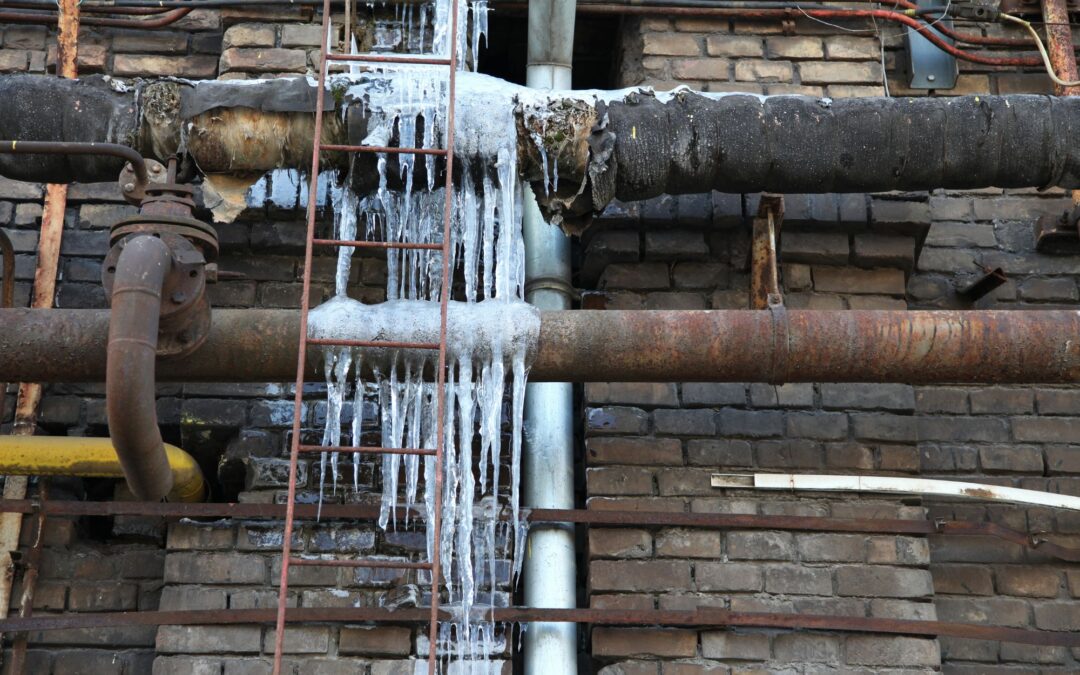
Imagine waking up on a freezing winter morning, turning on the tap, and nothing happens. Frozen pipes are a common winter headache, and if not handled properly, they can lead to serious water damage. Knowing how to thaw frozen pipes quickly and safely can make all the difference. This guide walks you through simple, effective steps to fix the problem and prevent future freeze-ups before they turn into costly repairs.
Why Pipes Freeze and Where to Look
The Science Behind Frozen Pipes
Water expands when it freezes, creating tremendous pressure inside your pipes. This happens when temperatures drop to 20°F or below for several hours. The pressure doesn’t care if you have expensive copper pipes or modern plastic pipes; expanding ice can crack any material. That’s why it’s important to act quickly at the first sign of a frozen pipe. Even a small crack can lead to gallons of water spilling into your home once the ice starts to thaw.
Most Common Frozen Pipe Locations
- Exterior Walls: Pipes running along outside walls with little insulation freeze first. These areas are the most vulnerable during extreme cold snaps.
- Unheated Areas: Crawl spaces, basements, attics, and garages lack warm air circulation. Without extra protection, pipes here can freeze quickly.
- Kitchen and Bathroom Cabinets: Cabinet doors block heat from reaching pipes against exterior walls. Opening them during cold nights can help prevent freezing.
- Outdoor Connections: Hose bibs, pool lines, and sprinkler pipes are completely exposed. These should be drained or covered before winter hits.
Emergency Response: What to Do First
If you discover frozen pipes, act fast but stay safe. First, turn off your main water supply to prevent flooding in case a pipe bursts. This step can save you from costly water damage if the pipe cracks under pressure. Open the affected faucet to relieve pressure and monitor when water begins flowing again. A steady drip can also help melt the ice inside the pipe.
Check the pipe for signs of damage like cracks, bulges, or frost. Damaged pipes can leak or burst suddenly once the ice thaws. Keep buckets and towels nearby in case of leaks to avoid a mess or floor damage. If you notice any damage, stop and call a licensed plumb er right away to prevent a bigger problem.
Safe Methods to Thaw Frozen Pipes
What You’ll Need
- Hair dryer or space heater
- Heavy towels or rags
- Hot water (not boiling)
- Heating pad (optional)
- A bucket for runoff water
Proven Thawing Techniques
- Hair Dryer Method (Safest): Use an electric hair dryer to apply gentle heat directly to the frozen area. Keep the dryer moving and maintain a safe distance from water. This method gives you complete control and is very safe for plastic pipes.
- Hot Water and Towels: Wrap heavy towels around the frozen pipe section. Slowly pour hot water (not boiling) over the towels. The towels hold heat against the pipe longer. Keep a bucket underneath to catch runoff water.
- Space Heaters: Position a space heater near the frozen pipes to warm the surrounding area. Keep heaters away from flammable materials and never leave them unattended. This works well for pipes in crawl spaces or basements.
- Heating Pad: For accessible pipes, wrap a heating pad around the frozen section. Use medium heat settings and monitor closely. This provides consistent, controlled heat.
Step-by-Step Thawing Process
- Start thawing at the faucet end and work backward toward the water supply
- Apply heat slowly and evenly – rushing can damage pipes
- Keep the faucet open to allow steam to escape and show progress
- Be patient – thawing can take 30 minutes to several hours
- Once water starts trickling, continue until full water pressure returns
What Never to Use
Avoid using dangerous heat sources like propane torches, open flames, indoor propane heaters, charcoal stoves, or high-temperature heat guns. While they might seem effective, they pose serious fire and safety risks. These methods can cause toxic fumes, melt pipes, or even start a house fire. Always stick to safe thawing techniques to protect your home and plumbing system.
Preventing Frozen Pipes
Before Cold Weather Hits
- Drain Outdoor Lines: Remove and drain garden hoses. Turn off the water to outdoor hose bibs and drain the remaining water. This prevents trapped water from freezing and cracking pipes.
- Insulate Pipes: Add pipe insulation or heat tape to exposed pipes in unheated areas. Proper insulation keeps pipes warmer and reduces the risk of freezing.
- Seal Air Leaks: Close gaps where cold air enters around pipes. Use caulk or weatherstripping to block drafts near plumbing.
- Check Problem Areas: Inspect pipes in crawl spaces, attics, and along exterior walls. Early detection of vulnerable spots can help you take action before a freeze.
During Cold Snaps
- Keep Steady Temperature: Don’t lower your thermostat at night during extreme cold. A consistent indoor temperature helps keep pipes warm throughout the home.
- Open Cabinet Doors: Let warm air reach pipes under kitchen and bathroom sinks. This simple step can prevent pipes from freezing overnight.
- Let Faucets Drip: Keep a small trickle of water flowing through vulnerable pipes. Running water is much harder to freeze, especially during extreme drops in temperature.
- Heat Unheated Areas: Use safe space heaters in basements, crawl spaces, or garages with pipes. Just be sure the heaters are positioned safely and never left unattended.
When to Call a Professional Plumber
Call a licensed plumber if you can’t find the frozen pipe, if it’s hidden behind walls, or if you’re unsure how to proceed. It’s also time to get help if you spot visible damage, multiple pipes are frozen, or water pressure doesn’t return after thawing. Professional plumbers have the tools and experience to safely handle frozen pipes and prevent further damage. When in doubt, it’s always safer to call an expert.
Prevention vs. Repair
Preventing frozen pipes is far more affordable than dealing with the aftermath. Simple steps like adding insulation, using heat tape, or hiring a pro to winterize your plumbing can save you from major repairs. These measures are easy to do and can be completed in just a few hours. They also give peace of mind during freezing temperatures.
If a pipe does freeze and burst, the costs can quickly add up from emergency plumbing to extensive water damage cleanup. Repairs may include replacing drywall, flooring, or damaged belongings. In severe cases, you could be dealing with mold or long-term structural issues. That’s why prevention is always the smarter and cheaper choice.
Conclusion
Frozen pipes can cause serious damage, but with the right steps, you can handle the situation safely and even prevent it from happening again. From locating vulnerable areas to learning how to thaw frozen pipes properly, being prepared makes all the difference. A little prevention now can save you from a major plumbing disaster later, especially when temperatures drop unexpectedly.
If you’re dealing with frozen pipes or want to protect your home before the next cold snap, Goldberg Plumbing is here to help. We proudly serve Northern Westchester and Putnam Counties with fast, expert plumbing services. Contact us today to keep your pipes protected and your water flowing all winter long.
FAQs
How do you defrost a frozen pipe quickly?
Use a hair dryer to apply gentle heat directly to the frozen section, starting from the faucet end and working backward. Keep the faucet open and move the dryer constantly to avoid overheating any one spot.
Will frozen pipes unfreeze on their own?
Frozen pipes may eventually thaw as temperatures rise, but waiting risks pipe bursts from expanding ice. It’s safer to actively thaw them using controlled heat methods.
Can I run hot water to unfreeze my pipes?
You can’t run hot water through completely frozen pipes since no water can flow. However, once you start thawing and water begins trickling, running water helps speed up the process.
How long does it take water to unfreeze?
Pipe thawing typically takes 30 minutes to 3 hours, depending on the pipe size, location, and thawing method used. Smaller pipes in accessible areas thaw faster than large pipes in hard-to-reach spaces.