
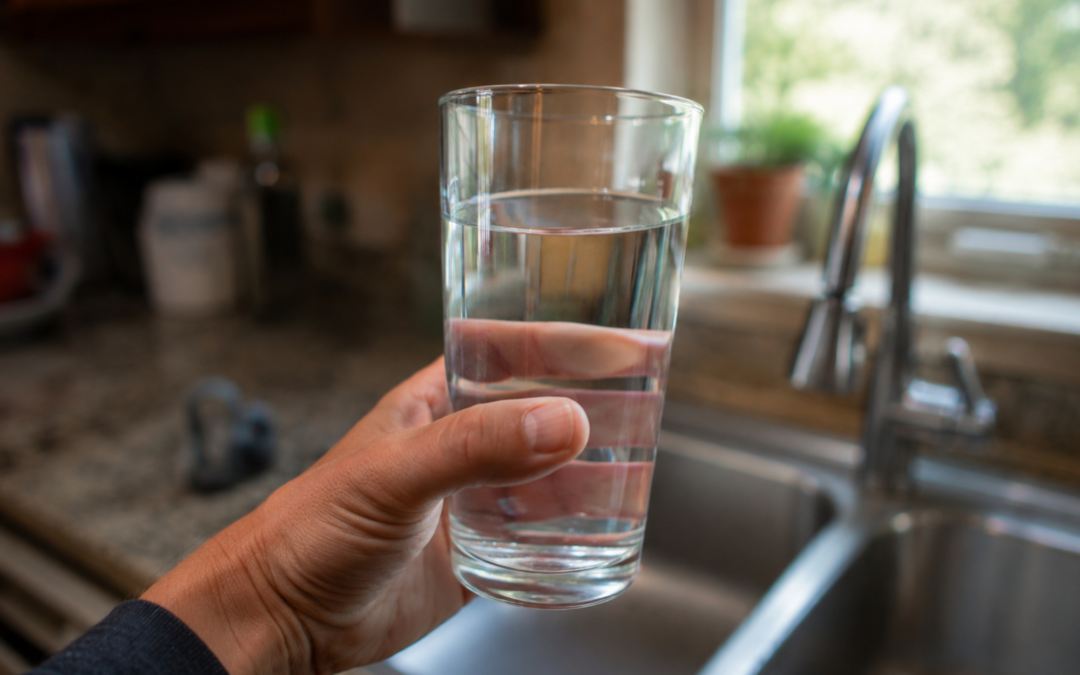
If you rely on a private well, you may wonder: is well water safe to drink? For many homes in Northern Westchester and Putnam County, the answer is yes, but only when the water is tested regularly and the well system is properly maintained.
This guide explains what affects well water safety, which warning signs to watch for, when to test, and how treatment decisions should be made. Goldberg Plumbing & Heating helps local homeowners understand their water systems and make practical choices based on real test results. If you have concerns about your well water, schedule a professional water system analysis before small issues become bigger problems.
Is Well Water Safe to Drink?
Well water can be safe to drink when the well is protected, tested every year, and maintained correctly. Private wells do not receive the same routine oversight as public water systems, so homeowners need to take a more active role in water safety, maintenance, and treatment decisions.
The Environmental Protection Agency reports that more than 23 million U.S. households use private wells for drinking water. That means many families drink well water every day. Still, safe water depends on the condition of the well, the local groundwater, nearby land use, and the plumbing system inside the home.
Private wells are not regulated, treated, or monitored by officials in the same way as public drinking water systems. The CDC explains that private well owners are responsible for making sure their private well water is safe to drink.
What Is Well Water?
Well water is groundwater that comes from an underground source and enters the home through a private well. A pump moves the water into the plumbing system, where it supplies sinks, showers, appliances, and drinking water fixtures.
Clear well water does not always mean safe well water. Some contaminants have no taste, color, or smell. That is why regular testing matters even when the water looks normal.
What Can Make Well Water Unsafe?
Well water can become unsafe when harmful germs, chemicals, heavy metals, or naturally occurring minerals enter the groundwater or the well system. Contamination can come from nearby septic tanks, livestock yards, fertilizers, pesticides, old pipes, damaged well casings, flooding, or natural geology in the surrounding land.
In many homes, water problems develop slowly. A homeowner may notice a new smell, stains on fixtures, cloudy water, or a change in taste. In other cases, contaminated water shows no obvious signs at all.
Common Well Water Contaminants
| Contaminant | Common Sign | Why It Matters |
| Total coliform bacteria | Often no visible sign | May show that harmful germs can enter the water |
| Nitrates | Often no visible sign | High levels can be unsafe for infants |
| Arsenic | Usually no taste or smell | Long-term exposure can create health risks |
| Iron | Orange or brown stains | Can stain fixtures and affect taste |
| Sulfur | Rotten egg smell | Can affect taste, smell, and comfort |
| Hard water minerals | Scale buildup | Can affect plumbing, fixtures, and water heaters |
| Lead | Usually no visible sign | Can enter through older pipes or fixtures |
| Pesticides and organic chemicals | Often no visible sign | May enter groundwater from nearby land use |
Biological Contaminants
Harmful germs can enter well water through surface runoff, damaged well caps, nearby septic tanks, livestock yards, or flooding. Coliform bacteria and total coliform bacteria do not always make people sick directly, but they can signal that waste or surface water has reached the well.
If testing finds bacteria, homeowners should not guess at the fix. The next step depends on the cause. A damaged cap, cracked casing, nearby drainage issue, or failing treatment system may all require different solutions.
Chemical and Naturally Occurring Contaminants
Well water may contain chemicals from fertilizers, pesticides, fuel, construction activity, or nearby land use. It may also contain naturally occurring chemicals like arsenic, iron, manganese, sulfur, and radon, depending on local geology.
For families with infants, nitrates need special attention. The American Academy of Pediatrics states that water with nitrate above 10 mg/L should not be used to prepare infant formula. Testing provides the only reliable way to confirm nitrate levels.
Signs Your Well Water May Need Testing
Well water should be tested when it changes in appearance, taste, smell, or performance. Warning signs do not always mean the water is unsafe, but they do mean something has changed.
Common warning signs include:
- Cloudy well water
- Rotten egg smell
- Metallic taste
- Orange or brown staining
- Sediment in sinks, tubs, or toilets
- Sudden pressure changes
- Water that smells or tastes different after heavy rain
- New stains on laundry or fixtures
Orange staining often points to iron. A rotten egg smell may point to sulfur. Cloudy water with pressure changes may involve sediment, the well pump, or the pressure tank. Testing should confirm the cause before any filter or treatment system is installed.
If your water changes suddenly, a water system analysis can help identify whether the issue comes from the water source, well pump, pressure tank, treatment equipment, or plumbing system.
How Often Should Well Water Be Tested?
Homeowners should test well water at least once every year. The CDC recommends annual testing for total coliform bacteria, nitrates, total dissolved solids, and pH. Local health departments may also recommend extra tests based on nearby land use, geology, or known water quality concerns.
Annual testing gives homeowners a baseline. If results change over time, it becomes easier to spot problems early. This matters because groundwater contamination can happen without a clear change in taste, smell, or appearance.
When to Test Right Away
Annual testing is the minimum. Some situations call for immediate water testing because they can affect groundwater, well construction, or plumbing safety.
Test well water right away after:
- Flooding or natural disasters
- Nearby chemical spills
- Major construction near the well
- Septic system failure
- Sudden water odor
- Cloudy or discolored water
- Unexplained stomach illness in the home
- Well pump replacement
- Major plumbing repairs
- Buying a home with a private well
Homeowners in Somers, Jefferson Valley, Mahopac, and nearby areas should also consider local conditions. Older properties, changing land use, and seasonal runoff can all affect private wells over time.
Can You Drink Well Water Without a Filter?
Some well water is safe to drink without a water filter, but only testing can confirm that. A filter should match the water problem. Installing the wrong filter may not remove the real contaminant, and it can give homeowners a false sense of safety.
A water filter can help with taste, smell, sediment, minerals, or certain contaminants. However, no single filter fixes every issue. Bacteria, nitrates, heavy metals, sulfur, and hard water often require different treatment methods.
| Test Result or Concern | Possible Next Step |
| Water passes annual testing | A filter may not be needed |
| Iron causes staining | Iron filtration may help |
| Hard water causes scale | A water softener may help |
| Bacteria appear in testing | Disinfection or well repair may be needed |
| Sediment appears in fixtures | Sediment filtration or system inspection may help |
| Nitrates test high | Specialized treatment and professional guidance are needed |
| Rotten egg smell appears | Sulfur treatment may be recommended |
The best buying advice is simple: test first, treat second. A professional should review test results before recommending a water treatment system. This helps homeowners avoid unnecessary equipment and choose a solution that fits the actual water quality issue.
How Your Well Pump and Water System Affect Water Quality
Water quality depends on more than the groundwater itself. The well pump, pressure tank, piping, treatment equipment, and well casing all affect how water enters and moves through the home. Sometimes a water quality complaint actually starts with a water system problem.
For example, a failing pump can stir sediment. A weak pressure tank can cause uneven flow. A damaged well cap can let surface water enter the well. These issues can affect both water safety and daily comfort.
Well Pumps and Pressure Tanks
The well pump pulls groundwater into the home. The pressure tank helps control flow and reduce pump cycling. When either part starts to fail, homeowners may notice pressure drops, cloudy water, air sputtering from faucets, or more sediment.
A professional water system analysis can help separate water quality issues from equipment issues. That matters because treating the water alone may not solve the problem if the pump, tank, or well casing needs attention.
Constant Pressure Systems and Efficiency
Constant pressure systems help keep water pressure steady when multiple fixtures run at the same time. They can also reduce short cycling when designed and installed correctly.
For larger homes or properties with higher water demand, a constant pressure system or booster pump may improve comfort and efficiency. This can help homeowners protect their water system while improving daily use, especially when showers, laundry, and fixtures run at the same time.
How to Protect Your Home With Proper Water Treatment
Proper water treatment can improve drinking water, protect plumbing fixtures, and support better system performance. The right setup depends on test results, the home’s water demand, and the specific contaminants found in the well water.
Poor water quality can affect more than taste. Hard water can leave scale inside fixtures and water heaters. Iron can stain sinks and tubs. Sediment can clog screens and reduce flow. Sulfur can make water unpleasant to drink or use.
What Water Treatment Can Help With
Water treatment may help reduce:
- Taste and odor issues
- Hard water scale
- Orange or brown staining
- Sediment
- Certain chemicals
- Specific bacteria concerns
- Fixture wear
- Water heater strain
A good treatment plan should answer three questions: what is in the water, how it affects the home, and which solution fits the test results.
Common Mistakes Homeowners Make With Well Water
The biggest well water mistakes come from guessing instead of testing. A filter may help with taste, odor, or staining, but it may not solve the real source of the problem.
Common mistakes include:
- Assuming clear water is always safe
- Skipping annual water testing
- Installing a filter before reviewing test results
- Ignoring pressure changes
- Waiting after flooding or heavy runoff
- Using well water for infant formula without testing nitrates
Testing and inspection help homeowners avoid unnecessary equipment, missed contaminants, and water system problems.
When Should You Call a Water System Professional?
Call a water system professional when water changes suddenly, test results show contaminants, pressure drops, or the home needs a clear treatment plan. A professional can inspect the well system, review test results, and explain whether the concern involves water quality, equipment, plumbing, or nearby conditions.
Some problems require more than a basic filter. For example, bacteria may require disinfection and well repair. Low pressure may point to a pump or pressure tank issue. Hard water may call for softening, while iron or sulfur may need targeted treatment.
Professional help makes sense when:
- Water smells like sulfur
- Orange stains appear
- Sediment increases
- Pressure changes quickly
- Testing shows bacteria or nitrates
- The well was affected by flooding
- You are buying a home with a private well
- Your current treatment system no longer performs well
Conclusion
Well water can be safe to drink, but safety depends on regular testing, proper maintenance, and a well-functioning water system. Private well owners need to know what is in their water, how their system performs, and when to bring in a professional for guidance.
For homeowners in Mahopac, Yorktown Heights, Jefferson Valley, Somers, Northern Westchester, and Putnam County, Goldberg Plumbing & Heating provides practical water system support based on testing, inspection, and the home’s actual water system conditions. Contact us today to schedule a professional water system analysis.
FAQs
How do I know if my well water is safe to drink?
The only reliable way to know if well water is safe to drink is to test it. Many contaminants have no taste, smell, or color, so appearance alone cannot confirm safety. Homeowners should test private well water at least once a year and more often after flooding, construction, chemical spills, or unexplained illness.
What are the downsides of well water?
The main downside of well water is that the homeowner must handle testing, maintenance, and repairs. Private wells are not monitored like public water systems, so well owners need to stay proactive. Well water may also contain minerals, bacteria, nitrates, heavy metals, or other contaminants depending on local groundwater and nearby land use.
Is well water the healthiest water to drink?
Well water can be a healthy drinking water source when testing confirms it is safe and the system stays maintained. It is not automatically healthier than tap water or bottled water. The healthiest option depends on the actual water quality, the presence of contaminants, and whether the system receives proper treatment.
Is it okay to drink tap water from a well?
Yes, it is okay to drink tap water from a well if testing confirms the water is safe. Many homes use private well water every day for drinking, cooking, bathing, and cleaning. Regular testing helps confirm that harmful germs, chemicals, nitrates, heavy metals, and other contaminants stay within safe levels.
Does boiling well water make it safe?
Boiling well water can kill many harmful germs, but it does not remove nitrates, heavy metals, pesticides, arsenic, or many organic chemicals. In some cases, boiling can concentrate certain contaminants as water evaporates. Homeowners should use testing, not boiling alone, to decide whether well water is safe.
Should I test well water before buying a home in Northern Westchester or Putnam County?
Yes, buyers should test well water before purchasing a home with a private well. A water test can identify bacteria, nitrates, minerals, and other contaminants before closing. A system inspection can also reveal issues with the well pump, pressure tank, treatment equipment, or water pressure.