
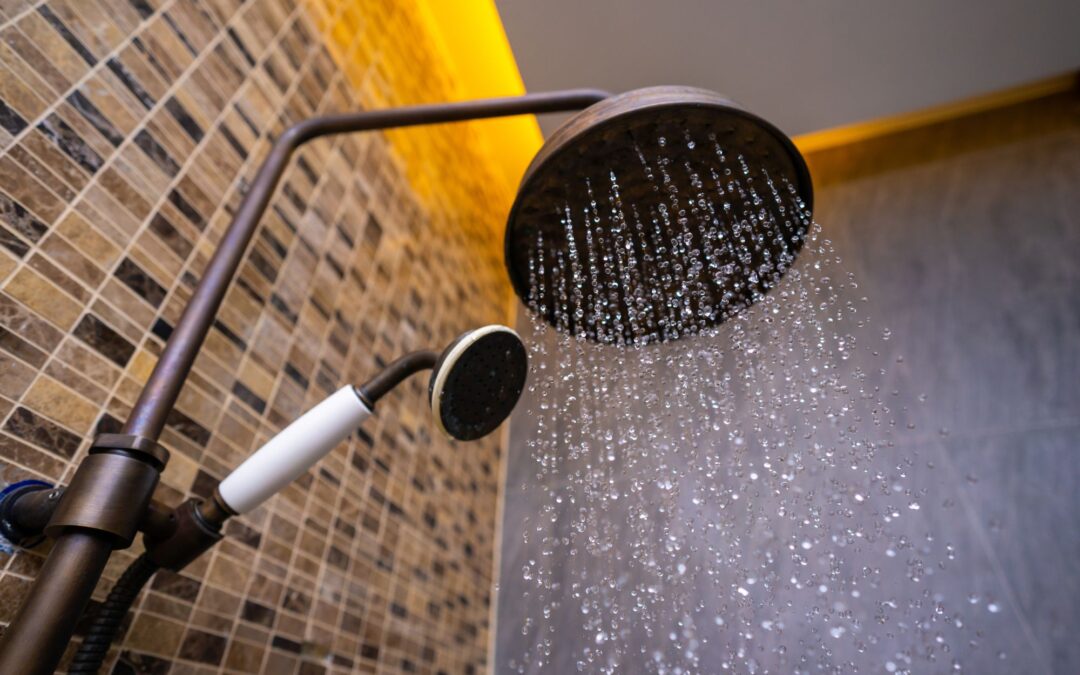
Imagine stepping into the shower after a long day, only to be met with a weak trickle instead of the strong, steady stream you expected. Low water pressure in shower situations can turn even the simplest task into a hassle, leaving you frustrated and unsatisfied.
Fortunately, most causes of low water pressure in shower systems are easy to identify and often even easier to fix. From clogged showerheads to minor valve issues, a quick checkup can usually get things flowing again without much effort or cost.
Understanding Normal Water Pressure
Before troubleshooting your shower pressure problems, it’s essential to understand what constitutes normal water pressure. Optimal residential water pressure typically ranges between 40-80 PSI (pounds per square inch), with most homes functioning best around 50-60 PSI.
When it comes to shower flow rates, measured in gallons per minute (GPM), there are specific standards:
- 1.5 GPM: Standard for low-flow, water-conserving shower heads
- 2.0 GPM: Current Federal WaterSense standard
- 2.5 GPM: Maximum legal flow rate in most areas
Your shower experience depends heavily on achieving proper water flow within these parameters. When pressure drops significantly below these ranges, you’ll notice a substantial difference in your shower’s performance.
How to Test Your Shower Water Pressure
The Five-Gallon Bucket Method
This simple approach provides accurate flow rate measurements without specialized equipment. Turn your shower to full capacity and let it run for about a minute. Position a five-gallon bucket directly under the shower head, ensuring all water flows into the container.
Start timing when water hits the bucket bottom and stop when water begins overflowing. To calculate your GPM, divide five by the time it took to fill the bucket. For example, if filling takes 2.5 minutes, your flow rate is 2 GPM.
Quick Visual Assessment
Sometimes you don’t need precise measurements to identify pressure problems. If water barely reaches your body when standing at normal shower distance, or if it takes several minutes to wet your hair thoroughly, you’re likely dealing with insufficient pressure.
Compare your shower’s performance to other fixtures in your bathroom. If your sink faucet provides a strong flow while your shower struggles, the problem likely lies within shower-specific components rather than your overall water supply.
Common Causes of Low Shower Pressure
Understanding what causes low water pressure helps you determine the best solution. Here are the most common culprits:
Blocked Showerhead
The most common cause of reduced shower pressure is a clogged shower head. Over time, mineral deposits from hard water accumulate in the small spray holes, restricting water flow. These mineral buildup issues are particularly problematic in areas with high calcium and magnesium content in the water supply.
Signs of a blocked showerhead include uneven spray patterns, reduced flow from certain nozzles, or white chalky deposits visible around the spray holes.
Faulty Shower Valve
Your shower valve controls both water temperature and flow. When internal components wear out or become damaged, they can significantly reduce water pressure. Single-handle valves are particularly susceptible to this issue, as they rely on complex internal mechanisms to mix hot and cold water while maintaining proper flow.
Corroded Pipes
Old pipes, especially those made from galvanized steel, can develop internal corrosion that restricts water flow. As pipes age, rust and mineral deposits accumulate on interior walls, effectively reducing the pipe diameter and creating bottlenecks in your plumbing system.
This issue often affects multiple fixtures throughout your home, not just your shower. If you’re experiencing low pressure in various locations, corroded pipes may be the culprit.
Partially Closed Valves
Several valves throughout your plumbing system control water flow. If any valve is partially closed, whether accidentally or due to maintenance, you’ll experience reduced pressure. Common valve locations include:
- Main shutoff valve near your water meter
- Individual fixture shutoff valves
- Inline valves within your plumbing system
Water Supply Issues
Sometimes the problem originates outside your home. Municipal water supply issues, peak demand periods, or problems with underground water lines can all lead to reduced pressure throughout your neighborhood.
Leaks in Your System
Hidden leaks within your plumbing system can divert water away from your shower, resulting in reduced pressure. These leaks might not be immediately visible, especially if they occur within walls or underground pipes leading to your home.
Simple DIY Solutions
Many low water pressure issues can be resolved with basic maintenance and simple repairs:
Clean Your Showerhead
Start with the most common fix: cleaning your shower head. Remove the shower head and soak it in undiluted white vinegar for at least 8 hours. The acid in vinegar dissolves mineral deposits that clog spray holes.
After soaking, use a toothpick to clear any remaining debris from individual holes. Rinse thoroughly and reinstall. This simple process often provides a noticeable difference in water flow.
Check All Valves
Ensure all valves in your system are fully open. Start with your main shutoff valve, then check any inline valves or individual fixture shutoffs. Turn valves counterclockwise to ensure they’re completely open. Even a partially closed valve can significantly reduce water pressure in your shower.
Replace Your Shower Hose
If you have a handheld shower head, inspect the shower hose for kinks, cracks, or internal damage. A damaged hose can significantly restrict water flow. Replacing a shower hose is typically a simple DIY task requiring basic tools.
Remove Flow Restrictors
Many modern shower heads include flow restrictor devices designed to conserve water. While environmentally beneficial, these devices can make your shower experience less satisfying. Check local regulations before removing flow restrictors, as some areas have legal requirements for low-flow fixtures.
Flush Your Water Heater
If you’re experiencing low hot water pressure specifically, sediment buildup in your water heater tank might be the cause. Annual water heater flushing helps remove accumulated debris that can block the exit pipes and reduce hot water flow.
When to Call a Professional
While some low water pressure issues can be fixed with simple DIY steps, others call for a professional plumber. If multiple fixtures in your home have weak pressure, you suspect hidden leaks, or valve repairs are needed, it’s best to bring in an expert. These signs often point to deeper plumbing issues that require proper tools and experience to resolve.
A licensed plumber can accurately diagnose the problem, handle complex repairs, and even install a shower pump to boost water pressure if necessary. They can also ensure your plumbing meets local codes and functions efficiently long-term. Don’t hesitate to call for help if basic fixes haven’t worked or if you’re unsure about doing the repairs yourself.
Prevention Tips
Maintaining optimal shower pressure requires regular maintenance:
- Clean your shower head monthly to prevent mineral buildup
- Have your plumbing system inspected annually
- Consider installing a water softener if you have hard water
- Address leaks promptly to prevent pressure loss
- Avoid using multiple water-consuming appliances simultaneously
Conclusion
Low water pressure in shower systems can be frustrating, but with the right approach, it’s often easy to fix. From clearing mineral buildup in your showerhead to checking for partially closed valves or hidden leaks, many issues can be resolved with simple DIY solutions. However, when pressure problems persist across multiple fixtures or involve deeper plumbing concerns, it’s time to call in a professional. Keeping up with regular maintenance and addressing issues early can help ensure a steady, satisfying shower experience every day.
If you’re dealing with low water pressure in your shower, Goldberg Plumbing is ready to help. We proudly serve Northern Westchester and Putnam Counties with fast, expert plumbing services you can trust. Whether you need a quick fix or a full system upgrade, our licensed professionals will restore strong water flow and peace of mind. Contact us today to schedule your service.
FAQs
How do I fix low water pressure in my shower?
Start by cleaning your shower head with white vinegar to remove mineral deposits, then check that all valves are fully open. If these simple fixes don’t work, you may need to replace the shower head, repair the shower valve, or address pipe issues.
Why is there no water pressure in my shower but plenty everywhere else?
This typically indicates a problem specific to your shower components, such as a severely clogged shower head, a faulty shower valve, or a blocked shower hose. The issue is isolated to your shower’s individual parts rather than your home’s overall water supply.
What causes low water pressure in the shower?
The most common causes include clogged shower heads from mineral buildup, partially closed valves, worn-out shower valves, corroded pipes, or flow restrictors in water-saving shower heads. Water supply issues or leaks in the system can also reduce pressure.
Should I call a plumber for low water pressure?
Call a plumber if simple fixes like cleaning the shower head and checking valves don’t solve the problem, or if you’re experiencing low pressure in multiple fixtures throughout your home. Also, call if you suspect leaks, need valve replacement, or aren’t comfortable doing the repairs yourself.