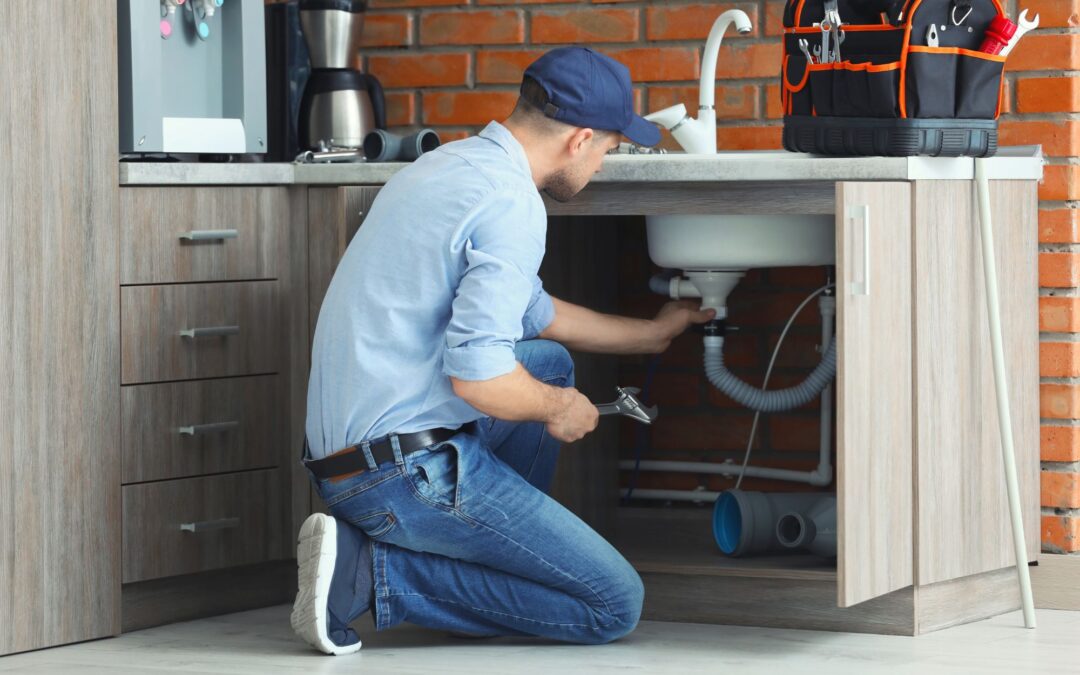
If you own a home, the plumbing system is one of the most essential components that make your everyday life convenient and comfortable. From bringing fresh water into your home to safely carrying away wastewater, your plumbing system works tirelessly. However, without regular maintenance, small issues like leaks or slow drains can turn into expensive and disruptive problems.
Routine plumbing maintenance is an investment that not only helps you avoid emergency repairs but also extends the lifespan of your plumbing system. By incorporating a few simple tasks into your regular home care routine, you can save money, reduce your water bill, and ensure that your plumbing continues running smoothly. In this guide, we’ll cover essential plumbing maintenance tips to keep your home’s plumbing system in excellent shape and prevent costly issues down the road.
Common Plumbing Issues Preventable with Maintenance
Regular plumbing maintenance isn’t just about keeping drains clear; it’s about safeguarding your home from problems that can be both expensive and disruptive. Many common plumbing issues start small and can be easily addressed with routine checks:
- Hidden leaks: Water stains on ceilings or warped floors often signal hidden leaks behind walls or under floors.
- Clogged drains: Food waste, grease, and debris can gradually cause blockages, leading to slow drains and, eventually, complete blockages.
- Low water pressure: Low water pressure could be caused by pipe corrosion or mineral deposits, affecting your shower, faucets, and appliances.
- Water heater failure: Sediment buildup can reduce the efficiency of your water heater, impacting hot water supply and increasing energy consumption.
- Frozen pipes: Exposed pipes are especially vulnerable in colder climates and can burst, causing major damage.
By being proactive and catching these issues early, you can prevent plumbing problems from escalating and ensure the smooth running of your home’s plumbing system.
Essential Plumbing Maintenance Tips
Taking care of your plumbing helps prevent problems and keeps everything running smoothly. These easy maintenance tips can save you from expensive repairs later on.
Essential Plumbing Maintenance Tips
Taking care of your plumbing helps prevent problems and keeps everything running smoothly across your entire plumbing system. These easy maintenance tips can save you from costly repairs later on and keep your home’s water usage under control.
1. Regular Leak Checks
Leaks can waste water and cause damage throughout your entire home. Check under sinks, around faucets, and exposed pipes for any signs of leaks. Don’t forget to inspect shut off valves and the toilet bowl. If you notice rusted pipes or water stains, it may be time to replace worn replacement parts. You can also test your toilet by adding food coloring to the tank. If it shows up in the toilet bowl after 30 minutes, you leak.
Additionally, make sure to check outdoor faucets for leaks, as these are often overlooked. If you’re in a colder climate, insulate pipes to prevent freezing. Regular leak checks not only reduce water waste but also help control energy bills by improving home’s water pressure. If you suspect any hidden leaks, consider a professional inspection from a local plumber or master plumber.
2. Drain Cleaning & Clog Prevention
Clogged drains are one of the most inconvenient plumbing issues you can face, but with the right preventive measures, you can avoid them. Keeping your drains clear of grease, food waste, and other debris can help maintain steady water flow and prevent larger blockages.
Here are some ways to prevent clogs:
- Never pour grease, coffee grounds, or fibrous food down your drains.
- Use a mesh drain cover to trap hair and debris before it enters your plumbing.
- Perform a simple drain cleaning routine by flushing your drains with a mixture of baking soda and hot water once a month.
These steps will help keep your pipes clear and prevent slow drains or major clogs from occurring. If you suspect a more serious issue, it’s always best to consult a professional plumber for drain cleaning.
3. Water Heater Maintenance
Your water heater works around the clock to provide hot water for showers, laundry, and cleaning. Over time, sediment can build up inside the tank, reducing the heater’s efficiency and lifespan. Flushing your water heater annually can remove sediment and prevent costly repairs.
To maintain your water heater:
- Flush the tank once a year to remove sediment buildup.
- Set the thermostat to 120°F to balance energy savings with safety.
- Check for signs of rust or leaks around the base of the heater.
Taking the time to care for your water heater can help avoid the inconvenience of running out of hot water and can extend the life of your unit.
4. Garbage Disposal Care
A garbage disposal is a convenient appliance for handling small amounts of food waste, but it’s important to use it correctly to avoid damage and unpleasant odors. Some food items, such as bones, eggshells, and grease, can clog or damage your disposal, so it’s best to avoid putting these down the drain.
Here’s how to maintain your garbage disposal:
- Run cold water before, during, and after using the disposal to help carry waste through the pipes.
- Periodically grind ice cubes and citrus peels to clean the blades and freshen the disposal.
- Avoid putting fibrous vegetables, grease, or bones into the disposal.
Regular care of your garbage disposal will keep it in good working condition and reduce the risk of clogs or breakdowns.
5. Seasonal Plumbing Prep
Seasonal changes bring different challenges to your plumbing system. During winter, pipes are at risk of freezing, while in summer, outdoor faucets and sprinklers need attention. Here are the key seasonal maintenance tasks for your plumbing system:
Winter Plumbing Maintenance:
- Insulate exposed pipes in unheated areas, such as basements and attics, to prevent them from freezing and bursting.
- Allow faucets in colder areas to drip slowly on extremely cold nights to keep water moving through the pipes.
- Shut off outdoor water valves and drain hoses before the first frost.
Summer Plumbing Maintenance:
- Inspect outdoor faucets and irrigation systems for leaks and ensure they’re functioning properly before use.
- Check sump pumps to make sure they’re in good working order for heavy rainfall or potential flooding.
By preparing for seasonal changes, you can avoid plumbing disasters and ensure your home is ready for whatever weather comes your way.
6. Sump Pump & Well Pump Checks
If your home has a sump pump or a well pump, it’s important to maintain these systems to ensure they continue functioning properly during emergencies. A sump pump helps prevent basement flooding, while a well pump ensures access to clean, safe water.
To maintain your sump pump:
- Pour a bucket of water into the sump pit and check if the pump activates and clears the water.
- Clean the pump’s inlet screen to prevent debris buildup.
For well pumps, schedule an annual inspection to test water pressure and ensure the system is operating at peak efficiency.
Professional Plumbing Maintenance
While many plumbing maintenance tasks can be handled by homeowners, there are times when it’s best to call in a professional plumber. A professional can inspect your plumbing system thoroughly and catch issues that may go unnoticed during routine checks.
Some key areas where a professional plumber can help include:
- Inspecting your water pressure and pressure regulator.
- Checking for hidden leaks with specialized leak detectors.
- Cleaning and servicing water heaters and sump pumps.
- Providing a camera inspection of your sewer line to spot blockages or damage.
Scheduling an annual inspection with a professional plumber will keep your plumbing system running smoothly and help prevent costly repairs.
Cost of Plumbing Maintenance vs. Repairs
The cost of plumbing maintenance is significantly lower than the cost of emergency plumbing repairs. While routine maintenance typically costs between $150 and $300 per year, repairing a burst pipe or replacing a water heater can cost anywhere from $1,000 to $3,000. Regular maintenance also helps to reduce your water bill by ensuring that your system operates efficiently.
By investing in preventive maintenance, you can save money in the long run and avoid the hassle of dealing with major plumbing issues.
Local Plumbing Considerations (Westchester & Putnam Counties)
Homes in Westchester and Putnam Counties, especially older homes, may have plumbing systems that require more frequent inspections. Freezing temperatures during the winter can cause pipes to burst, and older sewer lines are more prone to clogs.
Understanding the local climate and your home’s unique plumbing needs is essential for maintaining a healthy plumbing system. Regular inspections and seasonal preparation can prevent costly repairs, particularly in areas with extreme weather.
Conclusion
Routine plumbing maintenance is crucial for keeping your plumbing system in excellent condition and avoiding costly repairs. By following these simple tips and scheduling regular inspections, you can extend the life of your pipes, water heater, and other plumbing systems, ultimately saving money and reducing the risk of plumbing emergencies.
At Goldberg Plumbing, we help homeowners across Westchester and Putnam counties keep their plumbing in top shape. From checking for hidden leaks to inspecting your water heater, our licensed plumbers offer reliable, long-term solutions. Don’t wait for plumbing issues to disrupt your home. Contact us today to schedule your maintenance service and protect your plumbing system.
FAQs
How to perform maintenance on plumbing?
Plumbing maintenance involves checking for leaks, cleaning drains, and inspecting your water heater. Simple tasks like flushing the water heater and checking exposed pipes can be done regularly, while more complex issues should be handled by a professional plumber annually.
What is the number one rule in plumbing?
The number one rule is to avoid putting grease, coffee grounds, and non-degradable items down your drains to prevent clogs and blockages.
What is plumbing maintenance?
Plumbing maintenance is the routine care of your plumbing system, including checking for leaks, cleaning drains, and ensuring your water heater and pipes are working efficiently.
How to take care of plumbing?
Regularly inspect pipes for leaks, clean drains to prevent clogs, and maintain your water heater. Hire a professional plumber for annual checks to catch any hidden issues.