Drinking water quality matters for many families in Westchester and Putnam County. A reverse osmosis system installation helps improve water quality in homes with older plumbing systems or unclear water sources. Many homeowners want purified water without depending on bottled water or temporary filters. A reverse osmosis system can provide clean filtered water directly from your kitchen sink.
At Goldberg Plumbing, we install high-quality water systems that fit your plumbing system and support long-term water quality. If you want great-tasting water for your home, you can schedule a reverse osmosis system installation with us today.
What Is a Reverse Osmosis System
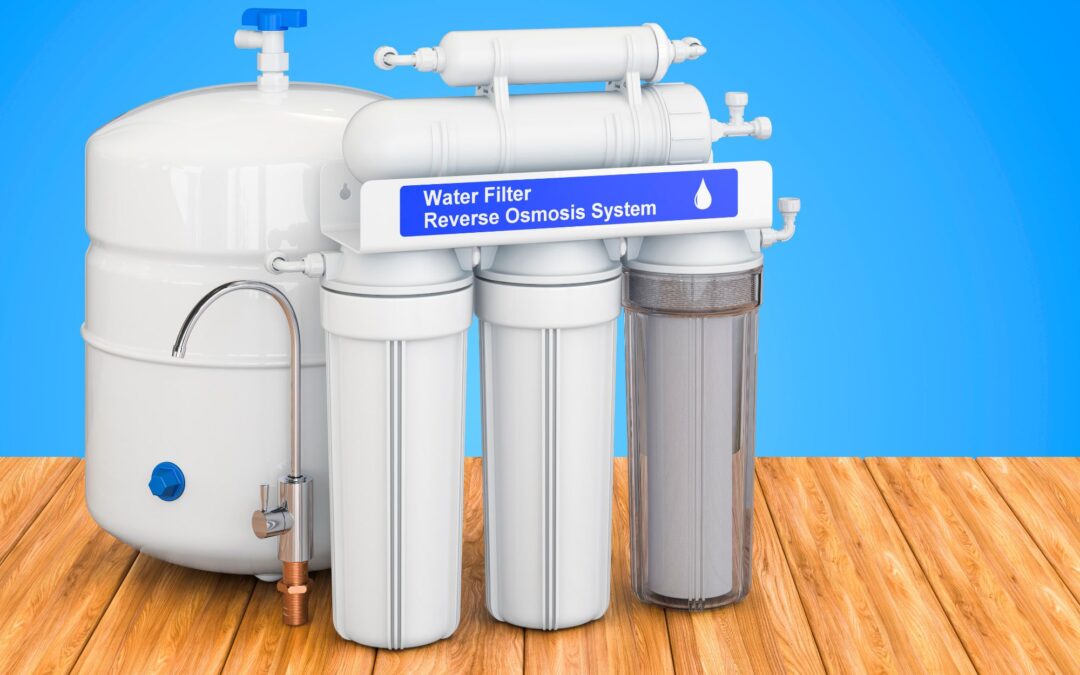
A reverse osmosis system uses multiple filters to remove contaminants from your water supply. The system pushes water through a reverse osmosis membrane that traps larger particles and chemicals. This process creates purified water for your kitchen sink. A typical RO system includes a sediment filter, carbon filters, a reverse osmosis membrane, a storage tank, an air gap faucet, and tubing connections linked to your cold water line.
Most reverse osmosis systems move waste water through a drain pipe using a drain saddle placed above the P-trap. These systems remove chlorine, minerals, and chemicals that affect taste and odor. Homeowners in Westchester and Putnam County choose reverse osmosis water filters because they provide dependable drinking water for daily use.
Benefits of Installing a Reverse Osmosis System in Your Home
Installing a reverse osmosis filtration system offers many advantages for homeowners who want better water quality. The system improves taste, reduces odors, and removes a wide range of contaminants. Many households experience noticeable changes when switching from tap water to purified water from a new reverse osmosis system. Using a reverse osmosis system also helps protect appliances that rely on clean water. Coffee makers, kettles, and icemakers often last longer with purified water. The system also reduces buildup that forms when your cold water supply contains minerals or sediment. You also save money because you no longer need bottled water for everyday use.
If you want consistent filtered water from your kitchen sink, Goldberg Plumbing can help with installation and system selection.
What to Know Before a Reverse Osmosis System Installation
Before beginning the installation process, you need to understand your plumbing system and the available space under your sink. The under-sink area should have enough room for the filter housing, RO tank, and tubing connections. Homes with a garbage disposal or complicated riser tube layout may need extra adjustments.
Water pressure is another important factor for successful performance. Most reverse osmosis systems need proper feed water pressure to move water through the membrane housing. Low feed pressures, low production, and a reduction in the amount of purified water stored in the tank. Some homes in Westchester may require pre-treatment or a booster pump to maintain a steady flow. Countertop material also affects faucet installation because an air gap faucet may need a new opening. A licensed plumber can evaluate your water line, cold water valve, and shut-off valve before beginning installation.
Step-by-Step Reverse Osmosis System Installation Process
A reverse osmosis system installation requires careful steps to avoid water leakage and performance issues. Many homeowners attempt DIY installation, but a licensed plumber can complete the installation process safely.
Step 1: Mounting the RO Faucet
The installation starts by preparing the faucet location. If your sink has an existing opening, the new faucet can fit there. If not, the plumber drills a suitable hole using the necessary tools and proper techniques. Materials like stainless steel and composite are easier to drill than stone countertops. Once installed, the faucet connects to the RO unit using tubing connections and a riser tube that links purified water from the storage tank to the faucet.
Step 2: Installing the Filter Assembly
The RO assembly attaches to the wall inside the under-sink area using mounting screws and the manufacturer’s instructions. The filter housing must be accessible for filter changes and replacement filters. The assembly includes a sediment filter, carbon filters, and the membrane housing that protects the RO membrane. All plumbing materials must be secure to prevent damage from water pressure.
Step 3: Connecting the Water Supply Line
A feed water supply valve connects the cold water supply to the RO system. The plumber installs an angle stop valve or feed adapter to control water flow. Teflon tape and an adjustable wrench help secure the connection. The feed line brings cold water into the filter housing and begins the filtration process.
Step 4: Setting the Drain Saddle
The drain saddle attaches to the drain pipe above the P-trap. This location prevents noise and backflow when waste water exits the system. A small opening is drilled into the drain pipe to allow connection of the drain line from the osmosis system. Correct placement protects your plumbing system and stabilizes performance.
Step 5: Installing the RO Tank
The RO tank stores purified water until it reaches the faucet. The tank includes a ball valve that controls pressure and flow. The tank sits upright in the under-sink area, where it stays stable during use. Proper positioning protects tubing connections and ensures consistent flow at the kitchen sink.
Step 6: System Flushing and Testing
After connecting all plumbing materials, the plumber runs a full system flush. Most reverse osmosis systems require two or three tank cycles before producing clean drinking water. The plumber checks for water leakage, confirms feed pressure, and tests water quality.
How Long Does Reverse Osmosis Installation Take
Most installations take one to two hours when handled by a licensed plumber. The time may vary depending on faucet drilling, the under-sink area, and the condition of your plumbing system. Homes with older water lines or unique layouts may need extra setup time. A clean water line and a stable cold water valve can shorten the process.
Maintenance Requirements After Installation
Maintenance keeps your reverse osmosis filtration system working effectively. Regular filter changes protect the reverse osmosis membrane and support long-term performance. Most systems need sediment filter and carbon filter replacements every six to twelve months. The RO membrane usually lasts two to three years, depending on water quality. The storage tank should be sanitized once a year to prevent bacterial buildup. Many homes in Westchester and Putnam County have varying water quality, so schedules may vary depending on conditions. Goldberg Plumbing offers maintenance services for homeowners who want reliable system care.
Timeline for Replacement Filters and System Care
| Component | Recommended Timeline | Notes |
|---|---|---|
| Sediment filter | Every 6–12 months | Protects the RO membrane by trapping larger particles. |
| Carbon filters | Every 6–12 months | Removes chlorine and improves taste before membrane filtration. |
| Reverse osmosis membrane | Every 24–36 months | Lifespan varies depending on feed water pressure and water quality. |
| Storage tank sanitization | Once per year | Prevents bacterial growth inside the storage tank. |
| Post filter | Every 12 months | Polishes the water for improved taste before reaching the faucet |
Reverse Osmosis System Installation Costs: What to Expect
Costs vary depending on the type of reverse osmosis system and your plumbing system. A basic RO unit is affordable for many homeowners. Systems with a booster pump, UV light, or remineralization filter cost more. Installation costs vary depending on drilling needs and the condition of your water supply.
General Comparison of Reverse Osmosis System Options
| RO System Type | Description | Ideal For |
|---|---|---|
| Four-stage system | Offers basic filtration using a sediment filter, carbon filters, and an RO membrane. Cost remains moderate. | Homeowners who want simple and reliable filtration. |
| Five-stage system | Includes an additional carbon polishing stage for improved taste and odor control. | Families who want cleaner-tasting water. |
| RO system with remineralization | Adds minerals back into purified water for better flavor and balanced pH. | Homeowners who prefer mineral-rich drinking water. |
| RO system with booster pump | Increases feed water pressure for improved flow and faster tank refill times. | Homes with low water pressure. |
Why Hire a Professional for Reverse Osmosis Installation
Professional installation protects your home from leaks, pressure issues, and plumbing damage. A licensed plumber checks feed water, angle stop valves, tubing connections, and your plumbing system before installation. Incorrect installation can void warranties and shorten the lifespan of your ro module, filter housing, and tubing. Many homeowners in Westchester and Putnam County prefer professional installation for safety and long-term reliability. If you want purified water without installation stress, Goldberg Plumbing can help with complete service and expert installation.
Conclusion
A reverse osmosis system installation improves water quality and provides purified water for your home. Many families in Westchester and Putnam County enjoy better taste and safer water with an RO system. Professional installation prevents leaks and supports reliable long-term performance. A properly installed system can give your family clean, filtered water every day.
Goldberg Plumbing offers expert installation for new reverse osmosis systems and existing water systems in local homes. Our licensed team ensures safe connections, correct pressure, and dependable results for your kitchen sink. If you want filtered water without the stress of DIY installation, contact us today for professional service you can trust.
FAQs
How much does it cost to install reverse osmosis?
Costs vary depending on the system and your plumbing system. Homes with complex plumbing layouts may require more work. Additional parts, like booster pumps, increase the price. For accurate pricing in Westchester or Putnam County, you can schedule an evaluation with Goldberg Plumbing.
Can I install a reverse osmosis system myself?
DIY installation is possible but risky. Incorrect tubing connections or poor sealing can cause water leakage and damage your plumbing system. Many homeowners damage the shut-off valve or cold water line during installation. If you prefer safe installation, Goldberg Plumbing can handle the process for you.
What are the downsides of reverse osmosis?
Reverse osmosis produces waste water during filtration and needs regular filter changes. It may remove beneficial minerals from your water supply. Some homes need remineralization filters for improved taste. Most homeowners still prefer reverse osmosis water because the benefits exceed the limitations.
How long does it take to install a reverse osmosis system?
Installation usually takes one to two hours. Time varies depending on your kitchen sink setup and the complexity of your plumbing system. Homes needing faucet drilling or extra adjustments may take longer.