
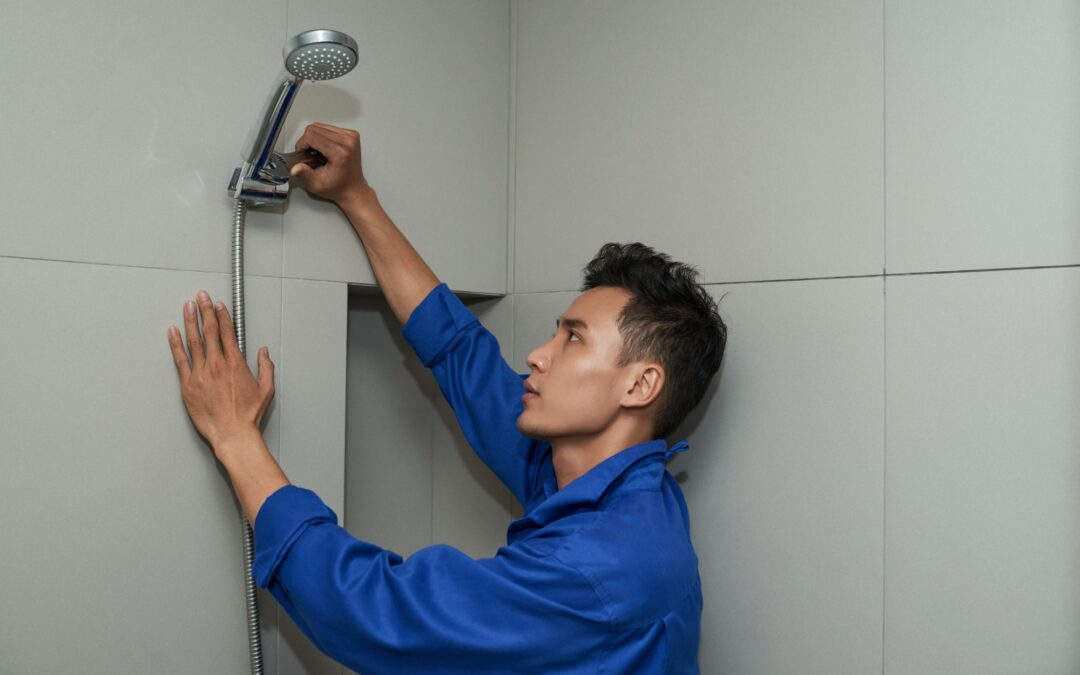
Shower installation plumbing may seem complex, but the right approach makes the process seamless and ensures your shower system works effectively for years. Whether you replace an outdated system or add a new shower, hiring a skilled shower installation plumber is crucial. Homeowners in Westchester and Putnam County should understand the shower installation process, recognize common mistakes, and know the costs to make informed decisions.
With over 40 years of trusted service, the Goldberg Plumbing team offers expert shower installation plumbing across Westchester County. In this guide, we’ll walk you through what you need to know about shower installation plumbing, how to avoid common issues, and the importance of hiring a licensed professional for the job.
What Is Shower Installation Plumbing?
Shower installation plumbing is the process of setting up water supply lines, drainage, and fixtures in a shower system. It’s about more than just connecting pipes. It’s about ensuring that the system operates smoothly, providing consistent water pressure and proper drainage without leaks or damage.
The installation process demands precision, because improper installation can cause issues such as low water pressure, slow drainage, or leaks that damage walls and floors. A professional plumber follows local codes and sets up the system for long-term efficiency. Hiring a licensed plumber for shower installation ensures quality workmanship, code compliance, and a reliable system that performs well for years.
Steps to Install Shower Plumbing
Proper shower installation involves several key steps that must be followed carefully to ensure the system works efficiently. Here’s an overview of the steps involved in a professional shower plumbing installation:
1. Prepare the Shower Area
The first step in any shower installation is preparing the area. This may involve removing the old shower system, ensuring the space is clear, and checking the floor for any damage. The area must be level and ready to accommodate the new plumbing lines and fixtures.
2. Install the Drainage System
The shower drain is one of the most important parts of the plumbing system. It must be set at the right slope to ensure proper drainage. If the slope is too shallow, water may pool, causing issues with water drainage. A professional plumber will install the drain with the correct angle to prevent any problems.
3. Set Up the Water Supply Lines
Once the drainage system is in place, the plumber installs the water supply lines that carry both hot and cold water to the shower valve. These lines are typically made of PEX, copper, or CPVC piping, which are durable and suitable for long-term use.
4. Install the Shower Valve and Fixtures
The shower valve controls the flow and temperature of the water. It’s critical to install the valve correctly to ensure consistent water pressure and avoid scalding or freezing water temperatures. After the valve, the showerhead, and any additional fixtures (like a handheld shower or body jets) are installed.
5. Seal and Test for Leaks
Once everything is installed, the plumber will carefully seal the plumbing connections to prevent leaks. After sealing, the system is tested to ensure there are no leaks or issues with water flow. The plumber will also check the water pressure and make sure everything is working properly before completing the installation.
Why You Should Hire a Licensed Plumber for Shower Installation
While installing a shower may seem like a manageable DIY project, there are several important reasons why hiring a licensed plumber is the best choice:
1. Expert Knowledge and Skills
A licensed plumber has the necessary training and expertise to handle complex shower installations. They understand how to install each component correctly, follow local codes, and troubleshoot potential issues that may arise during the installation process.
2. Compliance with Local Codes
In Westchester and Putnam County, specific plumbing codes must be followed to ensure safety and efficiency. A licensed plumber is familiar with these codes and ensures that the installation is compliant, preventing issues with inspections or fines down the road.
3. Long-Term Reliability
A professional plumber uses high-quality materials and follows best practices for shower plumbing installation. This ensures that your shower will function properly for years to come, with fewer chances of leaks, drainage issues, or low water pressure.
4. Prevention of Future Issues
Hiring an expert reduces the risk of common plumbing problems that could arise from incorrect installation, such as leaks or faulty water pressure. A licensed plumber ensures the system is installed properly the first time, preventing costly repairs in the future.
Common Mistakes in Shower Installation and How to Avoid Them
Installing shower plumbing is a delicate process, and small mistakes can lead to significant problems later on. Here are some common mistakes to avoid during installation:
- Incorrect Drain Slope: The shower drain must be installed with the correct slope to ensure that water drains properly. If the slope is too shallow or too steep, water may pool or drain too quickly, causing long-term issues. A licensed plumber knows the correct angle for the drain to work efficiently.
- Using Incorrect Pipe Sizes: If the pipes used for water supply are too large or too small, it can lead to poor water pressure or inefficient water flow. Plumbers know the exact pipe sizes needed to provide the right pressure and flow for your shower system.
- Improper Sealing: If seals around the shower fixtures or connections aren’t installed properly, water may leak into the walls or floor, causing damage over time. A professional plumber ensures that every seal is secure, protecting your home from water damage.
- Failing to Account for Future Repairs: DIY installers sometimes forget to consider how the plumbing will need to be accessed for future repairs. A professional plumber ensures that the system is installed with future maintenance in mind, making it easier to access if needed.
Shower Installation Costs in Westchester & Putnam County
The cost of shower installation can vary depending on several factors, including the type of shower, materials used, and the complexity of the installation. Here’s a breakdown of what you can expect to pay:
- Basic Shower Installation: For a standard shower installation with basic materials, the cost usually ranges from $800 to $1,500. This includes the installation of a basic shower valve, drain, and showerhead.
- Custom Shower Installations: If you opt for a custom shower design with features like body jets, a rainfall showerhead, or a larger shower space, the cost can increase. Custom installations typically range from $1,500 to $3,500, depending on the complexity and materials.
- Additional Costs: Additional costs may apply for plumbing modifications, permits, or water filtration systems. These extras can add anywhere from $200 to $1,000 to the total cost, depending on the scope of work.
For homeowners in Westchester County or Putnam County, it’s important to work with a licensed plumber who can provide an accurate estimate based on the specifics of your project.
Maintaining Your Shower Plumbing: Tips for Long-Term Performance
Once your shower plumbing is installed, it’s important to maintain it properly to ensure it functions well for years. Here are some simple maintenance tips to keep your shower in top condition:
- Check for Leaks Regularly: Inspect the shower area periodically for any signs of leaks. Look around the shower fixtures, drain, and walls for moisture or water stains that could indicate a problem.
- Clean the Drain: Hair, soap, and mineral buildup can clog the shower drain over time. Cleaning the drain regularly can help prevent backups and keep the water flowing smoothly.
- Monitor Water Pressure: If you notice a drop in water pressure, it could be a sign of a clog or an issue with the plumbing. A professional plumber can assess the situation and make any necessary repairs.
- Schedule Annual Inspections: It’s a good idea to schedule an annual inspection of your shower plumbing. Regular inspections help identify minor issues before they become costly problems.
Conclusion
Shower installation plumbing requires skill and attention to detail to ensure it’s done correctly. By working with a licensed plumber, you can avoid mistakes and ensure a shower system that works reliably for years. Whether you’re upgrading to a new system or installing a custom shower, a professional plumber will ensure the job is done right the first time.
For expert shower plumbing services in Westchester County, Goldberg Plumbing is ready to help. With over 40 years of experience, our team is committed to providing reliable and efficient plumbing solutions that meet your needs. Whether you’re installing a new shower or upgrading your current system, we focus on getting the job done right the first time. Contact us today for a free consultation, and let us assist with all your shower installation needs.
FAQs
How long does it take to install a new shower plumbing system?
Typically, a full shower plumbing installation takes 1-2 days, depending on the complexity of the system and the materials used. A professional plumber will provide an estimate after assessing your space.
What plumbing materials do I need to install a shower?
You’ll need pipes (PEX, copper, or CPVC), pipe fittings, a shower valve, showerhead, and waterproof seals. A professional plumber ensures you have the correct materials for the job.
How do I know if my shower plumbing is properly installed?
Check for leaks, verify water pressure, and ensure the drain works properly. If you notice any issues, it’s time to call a professional plumber.
What is the cost of installing a shower in Westchester?
The cost of shower installation in Westchester typically ranges from $800 to $2,500, depending on the complexity of the project and materials used.
Should I repair or replace my old shower plumbing?
If your shower plumbing is old and causing frequent issues, replacement may be more cost-effective than continuous repairs. A professional plumber can help assess your situation and recommend the best solution.
Can I install shower plumbing myself?
While DIY installation may seem tempting, hiring a professional plumber ensures proper installation and long-term reliability. A licensed plumber is trained to handle the complexities of shower plumbing and prevent costly mistakes.