
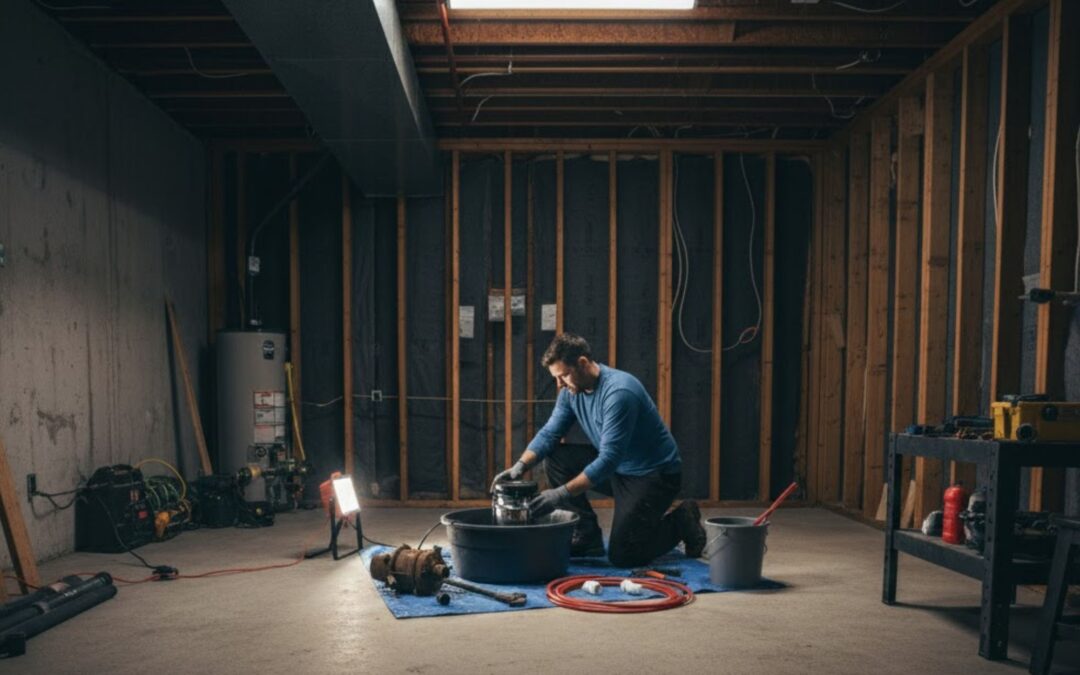
Sump pumps are essential for protecting your home from flooding and water damage, especially in areas prone to heavy rainfall or flooding. These pumps work tirelessly to prevent your basement from becoming a swimming pool during a storm, ensuring your home stays dry. However, when your sump pump fails or reaches the end of its lifespan, you’ll need to replace it. Understanding the sump pump replacement cost, which typically ranges from $800 to $1,600, and the factors that influence this price will help you make an informed decision.
Whether you’re dealing with a malfunctioning sump pump or replacing an old one before it breaks down, knowing the sump pump replacement costs and what’s involved in the installation process can save you both time and money. At Goldberg Plumbing, we offer expert plumbing services, including professional sump pump installation and repair, in Westchester and Putnam County. Our team helps homeowners keep their basements dry and secure by ensuring plumbing systems work seamlessly with reliable sump pumps.
What Affects Sump Pump Replacement Costs?
The total cost of replacing your sump pump depends on several key factors. These include the type of pump you choose, the complexity of the installation, and any additional components that might be needed for optimal functionality. When considering replacement, if the repair costs exceed 50% of the new unit’s price, replacement is usually the recommended option.
1. Type of Sump Pump
Choosing between a submersible sump pump and a pedestal sump pump is one of the first decisions you’ll need to make. Each type has its pros and cons, which can significantly impact the overall sump pump replacement cost.
- Submersible Sump Pumps: These pumps are designed to be fully submerged in the sump pit, making them more efficient and quieter compared to pedestal models. They are often more powerful and ideal for larger sump pits with higher water volumes. However, submersible pumps are more expensive, typically ranging from $300 to $900 for the unit itself. Including installation costs, the total price can reach up to $1,200 or more, depending on additional features such as backup systems or alarm sensors.
- Pedestal Sump Pumps: Pedestal pumps are less expensive and are designed with the motor above the pit, making them easier to access for maintenance. While they tend to cost between $150 and $400 for the unit alone, their lower power capacity makes them less suitable for homes with heavy water drainage needs. Installation typically costs less, but these models might require more frequent repairs. Pedestal sump pump installations generally range between $600 and $1,000, depending on labor rates and any additional components.
2. Installation Complexity
The complexity of the installation also plays a role in the total replacement cost. Factors such as sump pit size, discharge pipe configuration, and the need for electrical work can all influence labor costs. On average, labor costs for sump pump installation can range from $150 to $300 per hour, with most installations taking between 2 to 4 hours. Labor costs for sump pump replacement can range from $45 to $200 per hour, depending on location and the plumber’s experience. The complexity of the installation will also depend on the accessibility of the sump pit and whether existing components, such as discharge pipes, need to be replaced or rerouted.
3. Additional Components and Features
Some additional features can increase the total cost of your sump pump replacement. These may include:
- Battery backup systems: These systems ensure the pump continues to operate during power outages, which is especially important in areas prone to heavy rainfall. A battery backup system can add $150 to $250 to the total cost, while a water-powered backup might cost $300 to $700.
- Alarms and sensors: Alarm systems notify homeowners when the pump is malfunctioning or the pit is filling up faster than usual.
- Sump pit installation: If your existing sump pit is too small or improperly sized, you may need to install a new one, adding to the overall cost.
Each of these components can add anywhere from $100 to $500 to the total sump pump replacement cost.
What is the Average Sump Pump Replacement Cost?
On average, homeowners can expect to pay anywhere from $500 to $2,000 for a full sump pump replacement, including both the unit and professional installation. The exact cost will depend on the type of pump, the complexity of the installation, and any additional features required.
Breakdown of Costs:
- Sump Pump Unit: The unit itself typically costs between $100 and $600, with submersible pumps being on the higher end of that range.
- Labor Costs: Expect to pay $150 to $300 per hour for professional installation. The total labor cost will vary based on the complexity of the installation and local labor rates.
- Additional Costs: If you need to install a backup pump, new discharge pipes, or extra sensors, these can add anywhere from $100 to $600 to the final price.
For example, if you’re installing a submersible sump pump with a backup system and new discharge pipes, your total costs could range from $1,000 to $2,000.
Why Replace a Sump Pump?
Sump pumps are critical for maintaining a dry and healthy basement. If your pump is showing signs of failure, it’s time to replace it before you risk flooding. You should test the pump several times a year by pouring water into the pit. Here are some common signs that your sump pump is failing and needs to be replaced:
- Frequent Cycling: If the pump runs continuously or cycles on and off, it may indicate that the float switch or the pump motor is malfunctioning.
- Excessive Noise: A loud or grinding noise could be a sign of a jammed impeller or other internal mechanical issues.
- Visible Rust or Corrosion: Over time, rust and corrosion can damage the pump’s motor and other internal components, reducing its efficiency.
- Water Damage: If you notice water pooling around the pump or flooding in your basement, it’s a clear sign that the pump is not working properly.
Replacing your sump pump at the first signs of failure can help you avoid costly repairs and water damage.
Professional Installation vs. DIY: Why Choose a Professional?
While it may be tempting to save money by installing your own sump pump, it’s usually better to hire a professional plumber for the job. Here’s why:
Expertise and Knowledge
Plumbers are trained to deal with the various complexities that can arise during a sump pump installation. Whether it’s electrical issues, problems with the sump pit, or ensuring that the discharge pipes are correctly installed, a professional will ensure everything is done correctly, avoiding potential issues down the road.
Long-Term Savings
Improper installation can lead to future pump repair costs or emergency repairs, which could have been avoided with a professional installation. A correctly installed submersible sump pump or pedestal pump will operate more efficiently, reducing energy costs and the likelihood of future problems.
Compliance with Local Codes
In some areas, building codes may require specific installation methods or features, such as backup pumps or proper drainage systems. A professional plumber is familiar with these codes and can ensure your installation complies.
How Often Should You Replace a Sump Pump?
A well–maintained sump pump typically lasts between 7 and 10 years. However, its lifespan can vary depending on usage, the quality of the pump, and regular maintenance. If your sump pump is nearing the end of its lifespan, it’s important to plan for a replacement.
Regular maintenance and annual inspections can help extend the life of your pump. During inspections, the plumber will check for issues like debris clogging the pump, a jammed impeller, or malfunctioning float switches, which can all be easily fixed before they lead to more expensive repairs. Hiring a professional for an annual maintenance checkup is advisable to ensure proper function of the pump.
Conclusion
Replacing your sump pump is an important step in keeping your basement dry and avoiding water damage. On average, homeowners can expect to pay between $500 and $2,000 for a full sump pump replacement, including both the unit and installation. The price can vary depending on whether you choose a submersible or pedestal pump, how complicated the installation is, and if extra components like backup systems or discharge pipes are needed. Typically, professional replacement costs range from $644 to $2,103, depending on the pump’s size and how easy it is to install. By understanding these factors, you’ll be better equipped to make a smart choice for your home.
If you’re located in Westchester or Putnam County, Goldberg Plumbing is here to help with professional sump pump installation and repair services. Contact us today for a free estimate and ensure your home stays dry no matter the weather. Don’t wait for a flood to catch you off guard. Schedule your sump pump replacement with us and protect your home today.
FAQs
How Much Does It Cost to Replace a Sump Pump?
On average, replacing a sump pump can cost between $500 and $2,000, depending on the type of pump, installation complexity, and additional features. Submersible pumps tend to be on the higher end, while pedestal pumps are more affordable.
Is It Worth Repairing a Sump Pump?
Whether repairing a sump pump is worth it depends on the extent of the damage and the age of the pump. If the repair costs exceed 50% of the cost of a new pump, it’s usually better to replace the unit. Frequent cycling, excessive noise, or visible rust are signs that a sump pump may be nearing the end of its useful life, and replacing it may save you from costly repairs down the road.
How Often Should I Replace a Sump Pump?
A sump pump should generally be replaced every 7 to 10 years, but this can vary based on the type of pump and how well it is maintained. Regular inspections and maintenance can help extend its lifespan.
What Is a Good Brand of Sump Pump?
Some of the top brands for sump pumps include Zoeller, Wayne, Basement Watchdog, and Liberty Pumps. These brands are known for producing high-quality, reliable submersible sump pumps and pedestal pumps. Always choose a pump that suits your home’s drainage needs and check customer reviews for performance and durability.
Can I Replace My Own Sump Pump?
While it’s possible to replace your own sump pump, it’s generally recommended to hire a professional plumber. Installing a sump pump involves electrical connections, proper drainage setup, and ensuring everything is compliant with local building codes. A professional will ensure the installation is done correctly, reducing the risk of future problems or failures.