Clean, safe water is something most homeowners expect the moment they turn on the tap. Yet in many homes across Northern Westchester County, tap water can contain chlorine, sediment, hard water minerals, or other contaminants that affect taste, odor, and long-term plumbing health. That is where water filtration installation comes in. Installing the right water filtration system can improve drinking water, protect pipes and appliances, and make daily water use healthier and more comfortable.
At Goldberg Plumbing, we help homeowners and local businesses throughout Westchester and Putnam County choose and install water filtration systems that match their water supply, plumbing setup, and long-term needs. If you are thinking about upgrading your home’s water quality, scheduling a professional water system evaluation is the smartest place to start.
What Is Water Filtration Installation?
Water filtration installation is the process of adding a filtration system to your plumbing so contaminants are removed before water reaches your faucets, fixtures, and appliances. Depending on the system, filtration can treat all water entering the home or just the water at specific taps used for drinking and cooking.
In most homes, a water filtration system is installed along the main water supply line, filtering city water or well water before it travels through your pipes. Other systems are installed under a sink or near a single fixture. The goal is the same: deliver cleaner, healthier water while protecting plumbing, water heaters, and household appliances from scale buildup and sediment.
Types of Water Filtration Systems for Homes
Choosing the right water filtration system depends on several factors, including water quality, household size, and how you use water throughout the day. Many homeowners start with online research but quickly realize that not all systems solve the same problems. Understanding the differences can help you make a smarter investment.
Whole-House Water Filtration Systems
A whole-house filtration system is installed at the point where water enters your home. This means every faucet, shower, bathroom sink, and appliance receives filtered water. Whole-house water filtration is ideal for homeowners concerned about chlorine, sediment, industrial solvents, or odors affecting daily water use.
Before considering installation, it helps to understand what these systems typically address:
- Reduction of chlorine and chlorine byproducts from city water
- Removal of sediment that can clog fixtures and damage pipes
- Protection for water heaters and appliances from scale buildup
- Consistent water pressure when the system is properly sized
Whole-house water filters often use activated carbon, sediment filters, or multi-stage filtration to improve water quality without relying on salt or chemicals.
Under-Sink and Point-of-Use Systems
Under-sink systems filter water at a single location, usually the kitchen sink. These systems are often paired with a small faucet and are popular for improving drinking water and cooking water.
Homeowners often choose these systems because they:
- Cost less upfront than whole-house systems
- Focus on drinking water quality
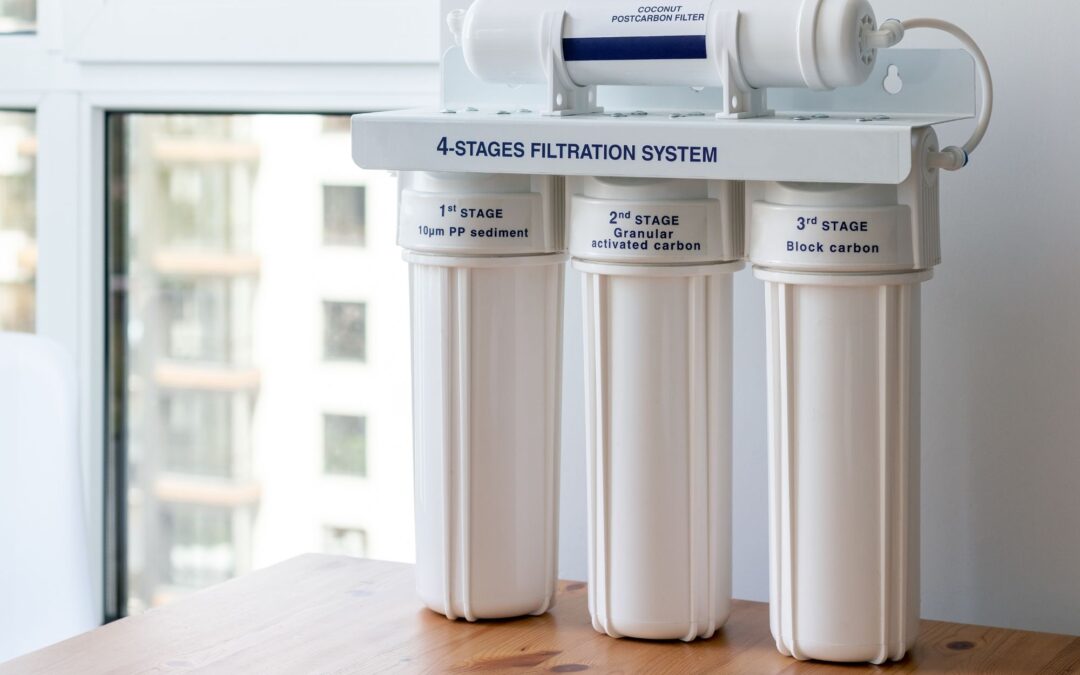
- Can include reverse osmosis or UV filter stages
However, under-sink systems do not protect bathroom sinks, showers, or appliances from hard water minerals or sediment.
Common Filtration Technologies
Most home water filter systems rely on one or more of the following technologies:
- Activated carbon to reduce chlorine, odors, and organic contaminants
- Sediment filtration to capture dirt, sand, and rust
- Reverse osmosis (RO system) for high-purity drinking water
- UV filtration to neutralize bacteria in some water supplies
Because each filter type addresses different contaminants, testing your water before installation helps ensure the system installed actually solves the problem.
If you are unsure which option fits your home, Goldberg Plumbing provides professional guidance and installation for water filtration and water treatment systems across Westchester and Putnam County.
How Water Filtration Installation Works
While the details vary by system, professional water filtration installation follows a structured process designed to protect your plumbing and ensure reliable performance. This is especially important in older homes common throughout Jefferson Valley, Mahopac, and Yorktown Heights, where pipe materials and water pressure vary.
The process typically begins with an evaluation of your water supply, pipe layout, and available space. A licensed plumber then installs the system using proper shutoff valves and secure connections. After installation, the system is flushed and tested to confirm there are no leaks and that water pressure remains stable.
A typical installation process includes:
- Shutting off the main water supply and draining the water remaining in the system
- Selecting an accessible installation location with room for maintenance
- Cutting into the main supply line and mounting the filtration system securely
- Installing a shutoff valve and bypass loop for service access
- Flushing filters and testing for leaks and consistent water pressure
Professional installation makes sure the system integrates properly with your existing plumbing and water heater, reducing the risk of future issues.
DIY vs Professional Water Filtration Installation
Many filtration systems are marketed as DIY-friendly, which leads homeowners to ask whether professional installation is really necessary. The answer depends on the system type, plumbing layout, and your comfort level working with water supply lines.
DIY installation may seem appealing for under-sink filters, but whole-house systems involve cutting into the main water supply. Mistakes can lead to leaks, reduced water pressure, or costly plumbing repairs. Professional installation provides peace of mind, especially when installing a new system that affects the entire house.
How DIY and Professional Installation Typically Compare
| Consideration | DIY Installation | Professional Installation |
|---|---|---|
| Complexity | Low to moderate | Managed by a licensed plumber |
| Risk of leaks | Higher | Significantly reduced |
| Water pressure impact | Often overlooked | Properly tested and adjusted |
| Code compliance | Uncertain | Meets local plumbing standards |
| Long-term reliability | Variable | Designed for longevity |
If you want to avoid pressure issues, improper connections, or warranty concerns, working with a licensed plumber is the safer choice.
Where a Water Filtration System Should Be Installed
Proper placement is one of the most overlooked aspects of water filtration installation. A system installed in the wrong location can be difficult to maintain, cause pressure loss, or interfere with other plumbing components.
Whole-house systems should be installed as close as possible to the main water supply line, after the shutoff valve and before the water branches to fixtures and appliances. The location should allow enough clearance for filter changes and future servicing.
Key placement considerations include:
- Accessibility for routine filter change and maintenance
- Adequate clearance for housing removal
- Proximity to the main water supply and water heater
- Drain access for system flushing
Professional plumbers evaluate these factors before installation, especially in homes with limited mechanical room space.
Common Water Filtration Installation Problems and How to Avoid Them
Even high-quality filtration systems can perform poorly if installed incorrectly. Many of the issues homeowners experience stem from sizing errors or skipped steps during installation. Some of the most common problems include low water pressure, leaks at filter housings, and air sputtering from faucets after installation. These issues often occur when the system is undersized for household demand or when a bypass valve is not installed.
Problems that Can Be Avoided with Professional Installation
- Pressure drops caused by restrictive filter types
- Leaks from improper fittings or housing alignment
- Difficulty servicing the system due to poor placement
- Noise or vibration from unsecured piping
A licensed plumber tests the flow rate and pressure after installation to confirm the system performs as intended.
Should You Test Your Water Before Installation?
Testing your water before choosing a filtration system is one of the smartest steps you can take. City water and well water can contain different contaminants, and assumptions often lead homeowners to install systems that do not fully address their water quality concerns.
Water testing helps identify issues such as chlorine levels, sediment, hard water minerals, or other contaminants that affect taste and performance. With accurate test results, the filtration system can be matched to your actual needs rather than a generic solution. In Northern Westchester, where water sources and infrastructure vary by town, professional water testing allows for more precise system recommendations and better long-term results.
Why Homeowners Choose Goldberg Plumbing for Water Filtration Installation
Installing a water filtration system is an investment in your home’s health and plumbing. Choosing the right installer is just as important as choosing the right system. For over 40 years, Goldberg Plumbing has helped homeowners across Westchester and Putnam County improve water quality with honest guidance and professional service.
As a second-generation, family-owned company, we focus on clear communication, proper installation, and long-term reliability. Our licensed plumbers understand local water conditions, older plumbing systems, and the importance of doing the job right the first time. We install and service water filtration systems with the same care we bring to all our plumbing and water system solutions.
Conclusion
Water filtration installation is one of the most effective ways to improve water quality, protect plumbing, and support a healthier home. Whether you are concerned about chlorine, sediment, hard water, or overall taste, choosing the right system and installer makes a lasting difference.
For homeowners in Northern Westchester and Putnam County, Goldberg Plumbing offers trusted water filtration installation backed by decades of local experience. If you are ready to improve your home’s water quality, contact us today to schedule a professional evaluation and take the first step toward cleaner, healthier water.
FAQs
How much does it cost to have a water filtration system installed?
The cost of water filtration installation depends on the system type, home layout, and water supply. Under-sink systems typically cost less, while whole-house water filtration systems involve higher installation costs due to their size and complexity. A professional evaluation provides the most accurate estimate based on your specific needs.
How much would a plumber charge to install a water filter?
Plumber installation costs vary depending on whether the system is installed under a sink or on the main water supply line. Whole-house systems require more labor and expertise, which increases the price. Working with a licensed plumber helps avoid costly mistakes and future repairs.
Can I install my own water filtration system?
Some under-sink filters are designed for DIY installation, but whole-house systems are more complex. Installing a system on the main water supply without proper tools or experience can result in leaks, pressure loss, or pipe damage. Many homeowners choose professional installation for safety and reliability.
Do I need a plumber to install a whole-house water filter?
Yes, professional installation is strongly recommended for whole-house systems. A plumber ensures the system is properly sized, securely connected, and compliant with local plumbing standards. To get started, schedule a water system evaluation with Goldberg Plumbing to discuss your options.