
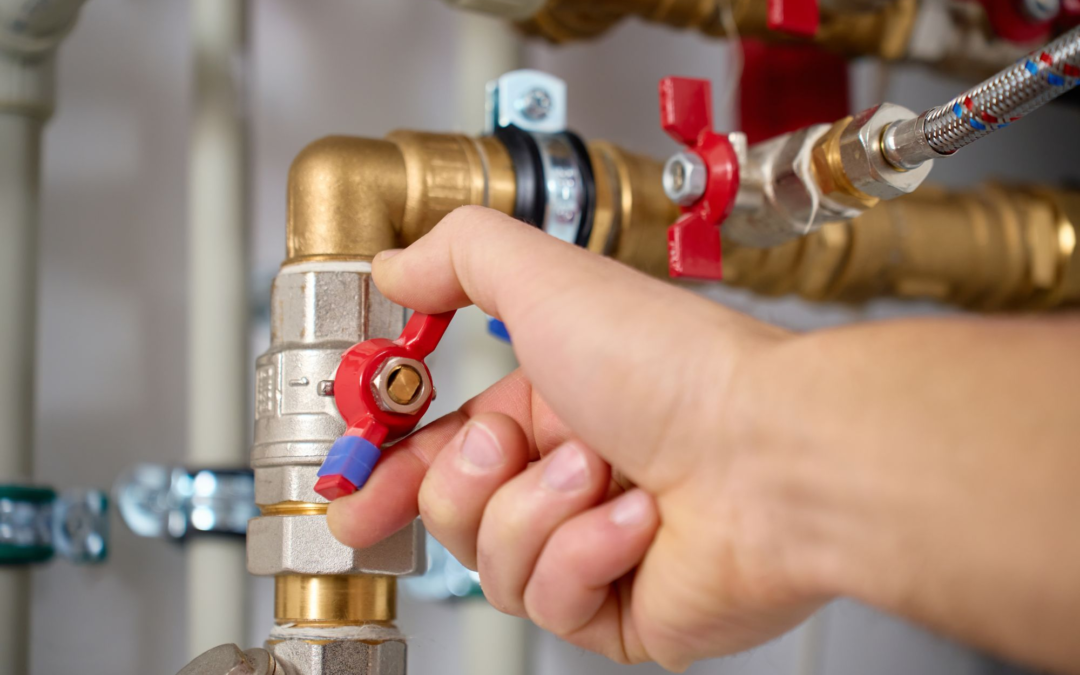
High water pressure can slowly damage your plumbing system without an obvious warning. Many homes in Northern Westchester and Putnam Counties experience pressure changes throughout the year. When pressure rises above safe levels, you may need a water pressure reducing valve replacement to protect your home.
A pressure reducing valve controls the force of municipal water before it enters your plumbing system. Without this device, pressure can exceed 80 psi and strain pipes, water heaters, and boiler systems. Goldberg Plumbing & Heating helps homeowners in Yorktown Heights, Mahopac, Jefferson Valley, and Somers maintain safe and consistent water pressure. If you suspect pressure problems, schedule a professional water system evaluation before costly damage develops.
What Is a Pressure Reducing Valve?
A pressure reducing valve, often called a PRV, lowers high municipal water pressure to a safe residential range. It installs on the main water line near the water meter or main shutoff valve. Most homes operate between 50 and 75 psi.
Municipal water systems often deliver pressure above 80 psi to serve elevated neighborhoods. The International Plumbing Code sets 80 psi as the maximum recommended residential pressure limit. Pressure above that threshold requires pressure regulation for safety. Inside the valve, a spring and diaphragm regulate pressure automatically. When municipal pressure rises, the valve adjusts to maintain stable water pressure inside the home.
What Is Safe Water Pressure for a Home?
Safe residential water pressure typically ranges between 50 and 75 psi. The International Plumbing Code specifies 80 psi as the maximum allowable pressure before regulation becomes necessary. Pressure above that level increases the risk of plumbing damage. You can measure pressure using a pressure gauge attached to an outdoor spigot. Open the faucet fully and record the reading. If the reading exceeds 80 psi, your plumbing system requires attention.
The U.S. Environmental Protection Agency explains that pressure control protects both plumbing systems and water efficiency. Stable pressure reduces fixture stress and prevents unnecessary water loss. Homes in Northern Westchester often experience pressure changes during peak demand periods. Testing pressure at different times of day provides more accurate information.
Why High Water Pressure Causes Damage
High water pressure increases internal force across every pipe and connection. Over time, that constant stress weakens seals, joints, and appliance components. Small weaknesses can develop into major leaks. Copper pipes expand and contract during winter temperature shifts. When high pressure combines with seasonal contraction, pipe joints weaken faster. This combination increases the likelihood of sudden failures.
Water heaters store heated water under constant internal pressure. Excess municipal pressure increases stress on tank walls and safety valves. Over time, that stress can shorten the lifespan of the water heater and increase maintenance needs. Hydronic heating systems depend on balanced water input pressure. Excess supply pressure disrupts feed balance and increases wear on internal components. Stable pressure protects heating equipment and improves long-term system reliability.
Signs You Need Water Pressure Reducing Valve Replacement
Pressure reducing valves wear gradually over time. Internal springs lose strength, and diaphragms stiffen from mineral buildup. Recognizing early signs prevents serious plumbing damage.
Common warning signs include:
- Fluctuating water pressure during showers
- Sudden bursts of strong pressure at faucets
- Loud banging or vibrating pipe noises
- Dripping faucets after repair attempts
- Leaking water heater temperature relief valves
- Pressure gauge readings above 80 psi
Fluctuating water pressure often indicates internal valve failure. Loud pipe noises suggest rapid pressure spikes inside supply lines. Persistent leaks may signal excessive internal system force. If you notice these symptoms in Yorktown Heights or Mahopac, professional pressure testing can confirm whether replacement is necessary.
How Long Does a Pressure Reducing Valve Last?
Most pressure reducing valves last between 10 and 15 years under normal conditions. Water quality, mineral content, and municipal supply pressure influence lifespan significantly. Hard water accelerates internal wear and reduces valve efficiency.
Homes located at lower elevations often receive higher municipal pressure. That consistent force shortens the mechanical life of valve components. Regular inspection helps detect early wear before complete failure occurs. Proactive evaluation around the ten-year mark reduces emergency repair risk.
Can You Adjust a Pressure Reducing Valve Instead of Replacing It?
Some pressure reducing valves allow adjustment using a screw mechanism on top of the body. Turning the screw changes the output pressure setting. Adjustment only works if internal components remain intact.
When Adjustment May Help
Adjustment may help if the valve is under ten years old. The valve must show no visible corrosion or leakage. Pressure should remain stable after calibration testing with a gauge.
When Replacement Is Necessary
Replacement becomes necessary when pressure fluctuates repeatedly despite adjustment. Visible leaks near the valve body indicate internal mechanical failure. Valves older than fifteen years typically require replacement instead of recalibration. A licensed plumber verifies safe psi levels before and after adjustment.
Water Pressure Reducing Valve Replacement Process
Water pressure reducing valve replacement requires controlled and precise steps. A licensed plumber shuts off the main water supply and drains interior lines. The technician removes the existing valve and prepares the connection points carefully.
The plumber installs the new valve following proper flow direction markings. After restoring water service, the technician adjusts pressure to maintain safe psi levels. Final testing confirms stable and consistent water pressure. Professional installation ensures compliance with plumbing code standards and protects long-term system reliability.
Water Pressure Reducing Valve Replacement Cost
Replacement cost depends on valve size, pipe condition, and installation accessibility. Homes with accessible main shutoff valves require less labor time. A corroded pipe near the water meter may increase installation complexity.
Cost factors include:
- Valve size and material quality
- Accessibility of installation location
- Condition of the surrounding piping
- Emergency service scheduling
Replacing a valve early costs significantly less than repairing burst pipes. According to industry data from HomeAdvisor and Angi, pressure regulation prevents costly fixture and water heater damage. Homeowners in Northern Westchester benefit from early evaluation when pressure readings approach unsafe levels.
How Stable Pressure Protects Water Heaters and Boilers
Stable water pressure protects water heaters and boilers by reducing internal stress on tanks, valves, and feed components. Water heaters operate under constant internal pressure and elevated temperatures every day. Excess municipal pressure increases strain on tank walls and temperature relief valves. Over time, that added force weakens components and increases the risk of leaks or premature failure.
Hydronic heating systems also require balanced water input pressure to function properly. Excess supply pressure disrupts internal feed balance and increases wear on boiler components. Many homes in Somers and Jefferson Valley rely on hot water or steam boiler systems during the winter months. Maintaining regulated municipal pressure supports reliable heating performance and reduces avoidable repair costs.
Why Professional Replacement Matters
Professional installation prevents calibration errors and improper pipe sealing. A licensed plumber verifies safe psi levels after installation. This verification ensures your plumbing system operates within recommended standards.
Incorrect installation can cause immediate leaks or unstable pressure readings. Professional service protects your plumbing, water heater, and boiler investment. Goldberg Plumbing & Heating provides licensed plumbing expertise across Northern Westchester and Putnam Counties. Our team performs water pressure reducing valve replacement with careful testing and clear communication.
Conclusion
High water pressure silently damages plumbing systems over time. Fluctuating water pressure often signals internal valve failure. Timely water pressure reducing valve replacement protects pipes, water heaters, and boiler systems.
Goldberg Plumbing & Heating serves Northern Westchester and Putnam Counties with trusted plumbing expertise. If you need professional pressure testing or valve replacement in Mahopac, Somers, Yorktown Heights, or nearby communities, contact us today.
FAQs
How much should it cost to replace a pressure reducing valve?
Replacement cost varies based on valve size and installation complexity. Homes with older piping may require additional adjustments during installation. A licensed plumber provides accurate pricing after inspecting your plumbing system.
Can I replace a pressure reducing valve myself?
Replacing a PRV requires shutting off the main water supply completely. Installation involves removing pipe fittings and sealing new threaded connections securely. Professional installation reduces leak risk and verifies safe pressure levels.
How to tell if a water pressure reducing valve is bad?
A failing valve often causes fluctuating water pressure or loud pipe noises. Pressure readings above 80 psi confirm excessive municipal supply pressure. If the adjustment fails to stabilize pressure, replacement becomes necessary.
What is the 3% rule for pressure relief valves?
The 3% rule refers to allowable pressure variation within safety standards. Small pressure increases create significant stress inside closed plumbing systems. Maintaining stable psi levels protects fixtures and heating equipment.