
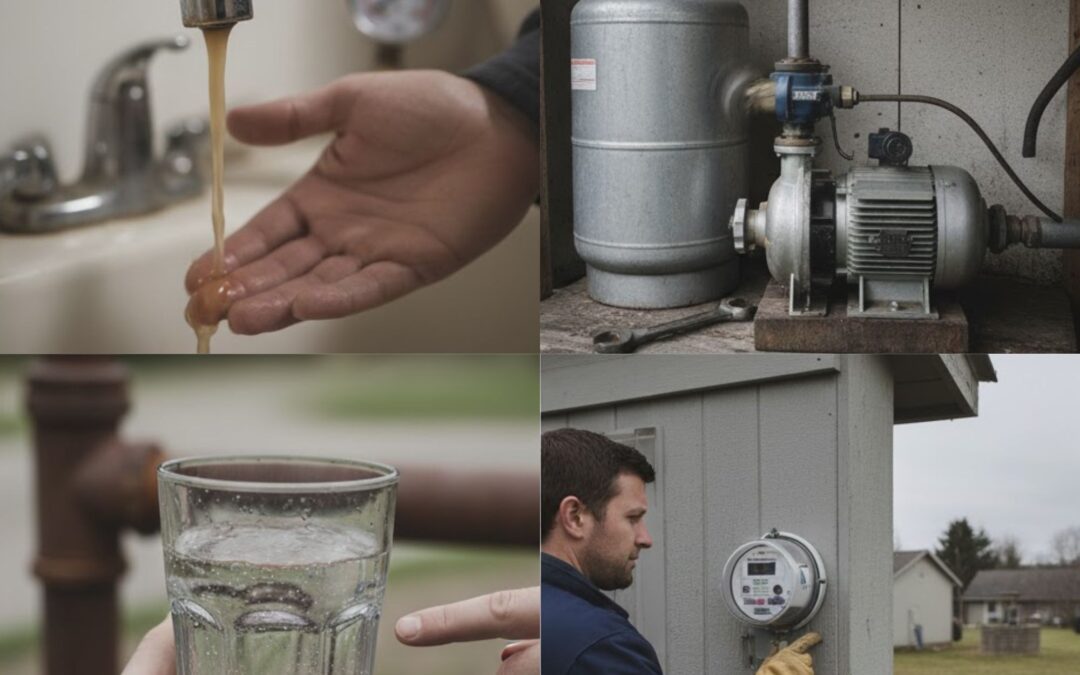
When your well pump malfunctions, it can disrupt your daily routine and leave you without a reliable water supply. Whether you’re facing low water pressure, a constantly running pump, or a complete well pump failure, these issues can cause significant inconvenience. From not being able to run your faucets or shower to worrying about the reliability of your water system, it’s clear that well pump problems demand immediate attention. If left unresolved, they can lead to more severe issues, including costly repairs or complete system replacements.
If you’re experiencing well pump problems in Jefferson Valley, Goldberg Plumbing is here to help. With over 40 years of trusted service in Westchester and Putnam County, we provide fast, efficient well pump repair, maintenance, and replacement services to keep your water system running smoothly. Understanding how to troubleshoot your well pump issues and knowing when to call a professional can save you time, money, and unnecessary stress. In this article, we’ll walk you through the most common well pump problems, how to identify them, and how to fix them before they become costly repairs.
Common Well Pump Problems & How to Spot Them
Several issues can affect your well pump, and early detection is key to preventing more serious damage. Here are the most common well pump problems that can impact your home’s water supply:
1. Low Water Pressure
Problem: Low water pressure is one of the most frequent issues homeowners face with their well pump. If you notice a significant drop in water flow or weak flow at your faucets, it’s a sign that something may be wrong with your water system.
Causes:
- A faulty pressure switch or malfunctioning pressure switch
- A clogged water pressure tank or well pressure tank
- Pump failure or insufficient water flow from the well
- Sediment buildup in the pipes or well casing
What to Do: If you’re facing low water pressure, the first step is to inspect the pressure tank and pressure switch. If the issue continues, there might be a deeper issue with your pump motor or water system, requiring professional service.
2. Pump Runs Continuously or Short Cycles
Problem: A well pump that runs continuously or short cycles (turning on and off rapidly) is a sign of an issue with the pressure switch, pressure tank, or connections.
Causes:
- A faulty pressure switch or a pressure switch that kicks too early
- Air pressure in the water system is causing the pump to lose pressure
- Leaks in the well system, including cracks in the well casing or water pipes
- Pump motor issues
What to Do: If your pump is constantly running, it’s important to identify the underlying problem quickly. Pump troubleshooting steps usually begin with checking the pressure switch and pressure tank. If the issue persists, professional help is needed to inspect the water system for leaks or malfunctioning components.
3. Strange Noises from the Pump
Problem: If your well pump is making unusual noises like grinding, rattling, or buzzing, this could indicate an internal problem.
Causes:
- Air pressure in the water system or an air valve is malfunctioning
- A damaged pump motor or worn-out bearings
- A bad check valve or faulty electrical connections
What to Do: Turn off the pump and inspect for any visible issues, such as loose connections or signs of wear. Strange noises often require a professional to check the electrical connections and ensure everything is operating smoothly.
4. No Water Flow or Pump Failure
Problem: A well pump failure where no water is being pumped to your home requires immediate attention. This could be caused by a damaged pump motor, a faulty check valve, or power-related issues.
Causes:
- A burned-out pump motor
- A tripped circuit breaker or disconnected electrical connections
- A damaged pump or a malfunctioning control box
- A faulty pressure switch or broken wires
What to Do: If there’s no water flow, first check the power supply to the pump. If the pump runs but no water is flowing, you likely have an issue with the pump motor or electrical connections. Call Goldberg Plumbing for an inspection.
5. Air in the Water
Problem: If you notice air bubbles or cloudy water, it could be a sign that air pressure is entering the system. This is often linked to a malfunctioning check valve or pressure tank.
Causes:
- A broken check valve allows air to enter
- Air is entering due to loose or improperly sealed connections
- A faulty pressure tank failing to maintain the proper water flow
What to Do: Air in the water requires professional attention. The issue is often with the check valve or the well pressure tank. Goldberg Plumbing can quickly diagnose and address the problem to restore clean, clear water.
Understanding Well Pump Repairs & Maintenance
Regular well pump maintenance is key to preventing these issues from escalating. Keeping your system in good working order ensures that your well pump continues to perform efficiently year after year.
Regular Well Pump Maintenance
Maintaining your well pump involves checking and servicing several key components to avoid common issues:
- Inspecting the pressure switch and pressure tank
- Testing electrical connections for functionality
- Verifying that the pump motor is in good condition
- Cleaning and maintaining the air valve and check valve
By staying on top of routine maintenance, you can avoid costly repairs and extend the life of your well pump.
Common Well Pump Repairs
Even with regular maintenance, your well pump may need repairs. Some of the most common repairs include:
- Replacing a faulty pressure switch or pressure tank
- Replacing or repairing a damaged pump motor
- Fixing or replacing worn-out electrical connections
- Addressing air pressure problems or leaks in the system
When to Replace Your Well Pump
No well pump lasts forever, and there are times when repairs are no longer worth the cost. Deciding when to replace your well pump can save you money in the long run.
How Long Do Well Pumps Last?
A typical well pump lasts anywhere from 10 to 15 years, depending on usage and maintenance. After this period, even well-maintained pumps may show signs of failure or wear, making replacement the more cost-effective option.
Signs You Need to Replace Your Well Pump:
- The pump is over 15 years old and requires frequent repairs
- The cost of repairs exceeds the cost of a new pump
- The pump is no longer providing enough water flow or pressure
- The well system experiences frequent electrical failures or pump failures
If you’re unsure whether your pump should be replaced, Goldberg Plumbing can inspect your system and help you make an informed decision.
Emergency Well Pump Services in Jefferson Valley
Well pump issues don’t always happen at convenient times, and when they do, they often require immediate attention. Goldberg Plumbing is available 24/7 for emergency well pump repair and replacement in Jefferson Valley and surrounding areas.
Our Emergency Well Pump Services Include:
- 24/7 emergency well pump repairs
- Same-day service for urgent pump issues
- Fast and reliable diagnostics and troubleshooting
If you’re experiencing a malfunctioning well pump, don’t wait for the problem to worsen. Contact Goldberg Plumbing today for quick, expert service.
Conclusion
Well pump problems can disrupt your water supply and cause significant inconvenience. Whether it’s low water pressure, a constantly running pump, or well pump failure, these issues can affect the comfort and functionality of your home or business. Early detection and prompt repairs are key to minimizing long-term damage to your well system and avoiding costly replacements. Understanding the common well pump problems, how to identify them, and knowing when to call for professional help is essential in maintaining a reliable and efficient water system.
At Goldberg Plumbing, we’ve been serving Jefferson Valley and the surrounding areas for over 40 years, providing expert well pump repair, maintenance, and emergency services. We pride ourselves on our commitment to quality, transparency, and fast response times to ensure your water system stays in optimal working condition. If you’re dealing with a well pump issue, don’t hesitate to contact us for a comprehensive diagnosis and fast repair solutions. Contact us today to schedule a well pump inspection or repair.
FAQs
What are the signs of a failing well pump?
The most common signs of a failing well pump include low or no water pressure, strange noises from the pump, or no water flow. If any of these symptoms occur, it’s best to schedule an inspection immediately.
What is the most common problem with a water pump?
The most common issue with water pumps is low water pressure, often caused by a faulty pressure switch or sediment buildup in the pipes. Regular maintenance can help prevent these issues from occurring.
What is the most common problem with well water?
The most common problem with well water is low water pressure. Other common issues include air in the water or malfunctioning well pump components, such as the pressure tank or check valve.
What is the most common reason for pump failure?
The most common reason for pump failure is a worn-out pump motor. However, electrical problems, pressure tank failure, or a clogged water line can also contribute to pump breakdowns. Regular maintenance helps prevent these issues.