
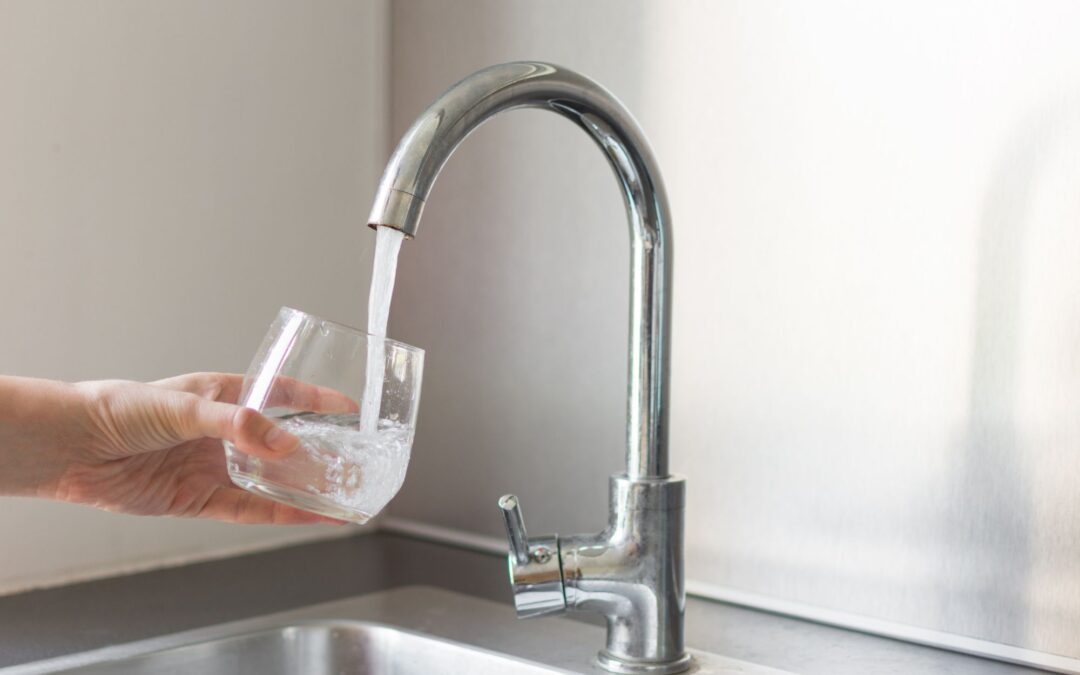
You go to fill a glass from the cold tap water, and instead of a clear pour, you see something cloudy, milky, or just off. It’s easy to wonder if that water’s still safe to drink, cook food with, or give to your pets. If you’ve ever caught yourself asking what causes cloudy tap water, you’re not alone. In most homes, it’s usually harmless, often tied to things like air bubbles, a hot water heater, or the way your plumbing fixtures are set up. But when the cloudiness doesn’t go away or it’s paired with a strange smell or color, it might be time to take a closer look.
Cloudy water can come from a few places. A combination of air, sediment, or minerals is stirred up when water hits the glass. If your home has moderately hard water, older pipes, or a tank that isn’t routinely cleaned, the issue may show up more often. And in homes connected to public water systems, pressure changes or maintenance can also be a factor. In this article, we’ll begin with a closer look at what’s behind that murky appearance, walk through quick fixes, and explain when it’s best to check your main water valve or call a plumber for further information and support.
Is Cloudy Tap Water Safe to Drink?
Cloudy tap water can look concerning, but in most cases, it’s not harmful to your health. The most common cause of cloudiness is tiny air bubbles trapped in your water, especially during colder months or after plumbing work. These bubbles make the water look milky, but they typically clear up within seconds once the water settles in a glass.
The Environmental Protection Agency (EPA) states that public water systems must meet specific water quality standards that protect human health. So if your home is connected to a regulated municipal supply, cloudy water alone rarely indicates contamination. However, if the cloudiness comes with other red flags, such as a strange odor, metallic taste, or discoloration, it could be a sign of sediment, pipe corrosion, or contaminants entering your distribution system.
In short:
- Harmless cloudiness = air bubbles or minor water pressure changes
- Potential concerns = persistent cloudiness with smell, taste, or color changes
- Health risk = unlikely unless the cloudiness is paired with signs of contamination
If in doubt, you can always get your water tested or contact a licensed plumber to verify what’s happening.
6 Common Causes of Cloudy Tap Water
Cloudy water can be caused by several factors, ranging from natural processes to plumbing system issues. Here’s a breakdown of the most common reasons and how each one affects your water quality.
1. Trapped Air Bubbles
The most frequent cause of cloudy tap water is tiny air bubbles. These form when more air gets dissolved into your water supply, often due to changes in temperature, pressure, or recent plumbing work.
When cold water is heated in your water heater, it releases oxygen that was dissolved under pressure. As the water comes out of your tap, those bubbles give it a milky appearance. This phenomenon is more noticeable in winter when water temperature drops and pipes contract, increasing air pressure in the system.
To test whether bubbles are the issue, fill a glass with cloudy water and let it sit undisturbed. If the cloudiness clears from bottom to top within a minute or so, it’s air, not contamination.
Common causes of air bubbles:
- High water pressure
- Water heater cycling
- Recent plumbing repairs or installation
- Municipal maintenance or flushing
2. Sediment or Mineral Buildup
In homes with hard water, cloudy water can result from high mineral content. Calcium carbonate, magnesium, and other naturally occurring minerals can enter the tap water supply and react with heating or pressure changes in your plumbing fixtures.
Hard water doesn’t typically harm human health, but it can cause limescale buildup in appliances, affect taste, and reduce the efficiency of water heaters and dishwashers.
When sediment is present:
- Cloudiness may be more persistent
- Particles may settle at the bottom of the glass
- The water may feel gritty or have a chalky taste
Installing water filters or a softening system can reduce sediment and prevent scaling in household pipes.
3. Water Heater Issues
If your hot water looks cloudy but the cold water is clear, your water heater might be the culprit. As water heats up, it releases dissolved gases that can form microbubbles. But if the cloudiness doesn’t dissipate quickly or appears along with discoloration, sediment inside the tank may be the issue.
Other signs of water heater trouble include:
- Rumbling noises from the tank
- Rust-colored water
- Reduced hot water supply
- White particles in your water
Sediment inside the heater can reduce its efficiency and cause damage over time. Flushing your tank annually or checking the dip tube can help resolve cloudy water and improve water quality.
4. Corroded Pipes
Older homes with galvanized steel pipes or deteriorating plumbing may experience cloudiness due to pipe corrosion. As pipes age, rust and mineral particles can flake off into the water. The result? A cloudy, often slightly tinted (brown, gray, or reddish) appearance in your tap water.
Corrosion can be dangerous if lead or other harmful metals are present. Even when not harmful, it can stain plumbing fixtures, reduce flow, and impact taste or smell.
Warning signs of pipe corrosion:
- Cloudiness plus discoloration
- Metallic or bitter taste
- Visible particles or flakes
- Localized to one faucet or area
Corroded pipes should be replaced promptly, especially if they’re affecting your drinking water.
5. Municipal Water System Maintenance
Sometimes, cloudy water is caused by maintenance or repair work in your city’s water supply system. During water line flushing or repair operations, air can enter the system or sediment can be stirred up, resulting in short-term cloudiness.
If multiple homes in your area experience similar issues, chances are it’s a municipal supply problem rather than something within your home.
Things to check:
- Municipal alerts or boil advisories
- Cloudiness in both hot and cold water
- Water clears up within 24 hours
Typically, there’s no need for alarm unless water quality fails to return to normal after a day or two.
6. Well Water or Aging Plumbing Infrastructure
Homes that rely on private wells or older plumbing systems may experience persistent cloudiness due to a combination of issues: oxygenation, mineral content, pipe debris, or even bacterial growth.
Well systems are more susceptible to:
- Iron bacteria (which can cause a reddish or oily sheen)
- Sediment stirred by low water levels
- Lack of routine filtration or chlorination
Regular inspection, water testing, and filter maintenance are key to safe, clean, well water. Aging infrastructure should be evaluated by a licensed plumber, especially if your system hasn’t been updated in decades.
How to Fix Cloudy Tap Water
If your tap water is looking murky, there are a few things you can try before calling in professional help. The fix depends on the root cause, so it’s important to observe how long the cloudiness lasts, whether it affects hot or cold water, and if it’s isolated to a specific tap.
Steps you can try at home:
- Fill a glass and let it sit. If the cloudiness clears from the bottom up in a few seconds, it’s air bubbles, nothing to worry about.
- Run cold water for 5–10 minutes. This can help flush air or sediment from the household pipes.
- Clean or replace your faucet aerators. These often trap mineral buildup that causes water to appear cloudy.
- Flush your water heater. Sediment in the tank may be affecting water clarity; this should be done annually.
- Use a whole-home water filter or under-sink filtration for localized clarity improvements.
If none of these steps help, or if your water smells, tastes strange, or stays cloudy for hours, it’s time to bring in a licensed plumber. Persistent cloudiness may be a sign of pipe corrosion, damaged fittings, or deeper system issues.
When Should You Worry About Cloudy Water?
While cloudy tap water is often harmless, you should take note when it comes with any of the following:
- Odors: Sulfur (“rotten egg”) smell could indicate hydrogen sulfide.
- Discoloration: Yellow, brown, or green hues suggest rust, copper, or other contaminants.
- Persistent cloudiness: If it doesn’t clear up after standing or flushing the system.
- Taste changes: Bitter, metallic, or chlorine-heavy water may indicate contamination.
- Health symptoms: If you feel sick after drinking tap water, stop using it immediately and get the water tested.
For homes with children, elderly residents, or immune-compromised individuals, it’s always best to verify water safety by contacting your local water supplier or a trusted plumbing expert.
Tools and Treatments to Prevent Cloudy Water
Once you’ve resolved your cloudy water issue, prevention becomes the next priority. Here are a few tools and strategies you can use to avoid future problems:
- Whole-home water filters: These systems remove sediments, chlorine, and other contaminants before water reaches your tap.
- Water softeners: Help manage hard water and prevent calcium carbonate buildup.
- Annual plumbing inspections: Professional checkups catch early signs of corrosion, pressure issues, or faulty fittings.
- Routine water heater maintenance: Draining and flushing your heater once a year extends its life and prevents sediment problems.
- Pressure regulators: Control sudden spikes in water pressure that introduce air into your lines.
Maintaining your water systems ensures not only clear water but also protects your plumbing and appliances.
Conclusion
Cloudy tap water isn’t something you want to ignore, but it’s not usually a major problem either. In most cases, it’s caused by harmless air bubbles or mineral buildup, especially in homes with older plumbing or hard water. If your water clears up after sitting or running warm for a bit, there’s likely no need to switch to bottled water. But if the cloudiness sticks around, or you notice changes in taste or smell, it’s smart to look at the full connection between your water source, plumbing, and fixtures. While cloudy water is generally safe, completing a quick inspection or calling a pro can give you peace of mind and help you prevent bigger issues later on.
At Goldberg Plumbing, we help homeowners across Northern Westchester and Putnam Counties get to the bottom of cloudy tap water with trusted, professional solutions. Whether it’s air bubbles, mineral buildup, or something deeper in your plumbing system, our licensed plumbers provide expert inspections and water quality improvements that make a difference. Don’t settle for unclear answers. Contact us today to schedule your cloudy water assessment or plumbing service.
FAQs
Is it safe to drink cloudy water from the tap?
In most cases, yes. Cloudy water is often caused by tiny air bubbles or harmless mineral content, especially in moderately hard water. If the cloudiness clears after sitting, it’s likely safe. However, if your water smells bad, tastes off, or remains cloudy for hours, it’s best to avoid drinking it until you’ve had it checked.
How do you fix cloudy tap water?
Start by letting the water settle in a clear glass. If the cloudiness is due to air, it should clear in under a minute. You can also flush your pipes by running water or clean the faucet aerators. For persistent issues, inspect the water heater or consider calling a plumber to assess your plumbing and water supply.
How do you get cloudiness out of water?
Use filtration systems like carbon filters or whole-house filtration to remove particles. Water softeners help reduce mineral buildup. Annual water heater maintenance and regular plumbing inspections also help keep water clear. If the problem continues, professional testing and pipe inspections may be necessary.
Why does tap water sometimes go cloudy?
Tap water may go cloudy due to trapped air bubbles, high mineral content, or disturbances in the municipal water supply. Other causes include water heater sediment, pipe corrosion, or old plumbing systems. Identifying the pattern, such as whether it happens with hot or cold water, can help pinpoint the cause.