
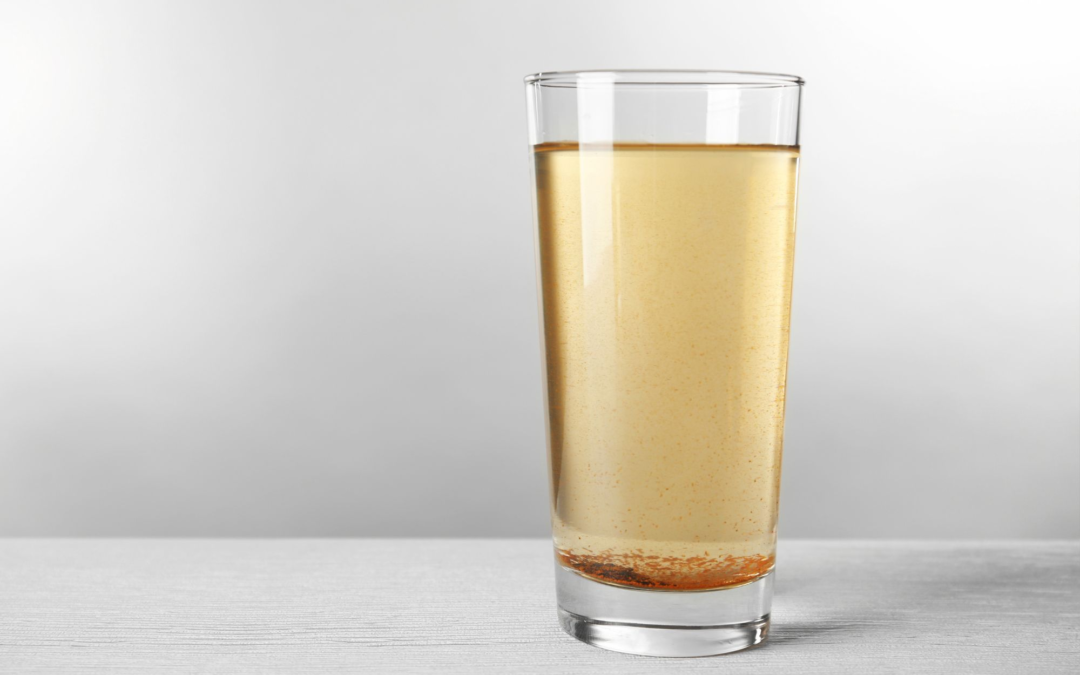
If you’re wondering what causes water to be brown or yellow, you’re not alone. Many homeowners across Putnam County notice discolored water coming from the tap without warning. One day your water looks clear, and the next, your tap water suddenly appears brown or yellow.
This type of discoloration can be concerning, especially when it affects your drinking water quality, laundry, or daily use. In most cases, it’s caused by sediment, iron, or buildup inside your water heater, water pipes, or other parts of your home’s water systems. Sometimes, changes in the water main, distribution system, or nearby fire hydrant use can stir particles into your water supply.
Understanding what’s happening inside your water systems helps you determine whether the issue is temporary or something that needs attention. If your brown water or yellow water continues or keeps coming back, it’s best to have your system checked by a licensed plumber to prevent further problems.
What Causes Water to Be Brown or Yellow?
Brown or yellow water is commonly caused by sediment, dissolved iron, or rust from aging pipes. It can also happen when water flow changes due to construction activity, fire hydrant use, or pressure changes in the water main. The source depends on whether the issue affects cold water, hot water, or your full system.
In many cases, the discolored water contains naturally occurring sediments or small particles that get stirred up inside the distribution system. These particles may include iron, bare iron corrosion, or mineral buildup from well water systems.
Sometimes, the issue is caused by air bubbles, also known as entrained air or called entrained air, which can make water look milky water or cloudy. This condition usually clears in one to two minutes when left in a glass of water.
Common Causes of Brown or Yellow Water in Homes
Discolored water in your home can come from several sources. While the color may look the same, the cause determines whether it is a temporary issue or something that needs repair. Understanding these causes helps protect your plumbing, appliances, and overall water quality.
Sediment in Water Lines
Sediment buildup is one of the most common causes of brown water. Over time, naturally occurring minerals, sand, and debris settle inside water pipes. When there is a sudden change in flow or pressure, these particles get stirred and travel through your tap.
This often happens after:
- Fire hydrant use or nearby fire hydrant flushing
- Construction activity affecting the water main
- Sudden changes in water pressure
In most cases, the water clears after running for a few hours or minutes. If the discoloration disappears, it is usually not a long-term problem.
Pipe Corrosion (Rust in Pipes)
Older homes often have bare iron or aging pipes that corrode over time. This releases iron into your water, turning it yellow or brown.
You may notice:
- Yellow water during the first draw in the morning
- Tap water is brown after sitting overnight
- Ongoing discoloration that does not fully clear
Corrosion affects your home plumbing and cannot fix itself. If left untreated, it can impact your drinking water quality and damage fixtures.
Water Heater Sediment Buildup
If the issue only affects hot water, your water heater or hot water heater is likely the source. Over time, sediment and particles collect at the bottom of the tank.
This can lead to:
- Brown or yellow water from hot taps
- Reduced water pressure
- Dirty-looking glass of water
In some cases, a failing plastic dip tube or dip tube can also break down, releasing white particles into the water. Regular maintenance helps prevent this buildup.
Well Water or Water System Issues
Homes that rely on well water often see yellow water due to dissolved iron or mineral content. These are naturally occurring and can affect water hardness and overall water quality.
Common causes include:
- Iron-rich groundwater
- Failing filtration or water softener systems
- Bacteria interacting with minerals
When a water system is not maintained properly, it can affect both appearance and safety. In many cases, testing the water helps confirm whether contaminants are present and what needs to be fixed. If the discoloration keeps coming back, a professional inspection can identify the exact cause and resolve it properly.
What the Color of Your Water Means
The color of your water provides important clues about what is happening inside your plumbing or water systems. Instead of guessing, you can use these signs to better understand the issue. Brown or yellow water usually points to sediment, rust, or iron, while cloudy or milky water is often caused by tiny air bubbles or entrained air.
| Water Color | Likely Cause | What It Means |
| Brown / Orange | Sediment or rust | Corrosion or stirred particles |
| Yellow | Iron or aging pipes | Early pipe deterioration |
| Cloudy / White | Air bubbles | Usually harmless |
If your water appears cloudy, the air bubbles will rise and disappear when left in a glass. This is not a health hazard and does not affect drinking water safety.
How to Tell What’s Causing the Problem in Your Home
Identifying the cause of discolored water starts with simple observation. You don’t need technical tools to figure out whether the issue comes from your water heater, pipes, or external supply. Start by noticing when the water coming out of your tap changes color and whether it affects the entire home.
Here are a few things to check:
- Check if the issue affects only the cold water or both hot and cold water
- Run the water for one to two minutes and see if it clears
- Test multiple fixtures and each faucet
- Note any recent construction activity or changes in water pressure
When only hot water is affected, the water heater is likely the source. When both hot and cold water are discolored, the issue may be in your water pipes or the local supply. For a clear answer, a licensed plumber can inspect your system and confirm the exact cause.
Is Brown or Yellow Water Safe to Use or Drink?
Brown or yellow water is not always harmful, but it should be treated with caution. In many cases, the issue is caused by sediment or iron, which may not contain harmful contaminants but can still affect drinking water quality.
Cloudy water caused by air or bubbles is usually safe and clears quickly. However, if your water:
- Has strong discoloration
- Does not clear after running
- Has an unusual odor or taste
It’s best not to drink it until it has been checked. In some cases, the condition poses a potential health hazard, especially if bacteria or other contaminants are present.
When Brown or Yellow Water Is a Bigger Problem
Brown or yellow water becomes a serious issue when it continues or worsens over time. Temporary issues usually resolve quickly, but ongoing discoloration can indicate deeper problems within your plumbing or water systems.
Persistent issues can lead to:
- Stained fixtures and laundry
- Appliance damage
- Reduced pressure and flow
If the problem continues, it may involve pipe corrosion, failing equipment, or issues in the water main.
How to Fix Brown or Yellow Water (Based on the Cause)
Fixing brown water or yellow water depends on identifying the root cause. Temporary solutions may help in the short term, but long-term issues require proper repair.
Temporary Fixes
- Run water until the water clears
- Wait after fire hydrant use or repairs
- Avoid using water for laundry until clear
Long-Term Solutions
- Replace corroded pipes
- Flush or replace your water heater
- Install filtration or treatment systems
- Test and adjust well water systems
Goldberg Plumbing & Heating provides solutions for plumbing, water heater, and water systems issues to restore clean and reliable water.
Local Factors in Westchester & Putnam County
In Putnam County, many homes have older plumbing systems, which makes them more prone to corrosion over time. This can lead to yellow water or light brown discoloration, especially in homes with aging pipes or well water systems in areas like Mahopac.
Local conditions can also play a role. Changes in water pressure, seasonal shifts, and nearby construction activity can stir sediment in the distribution system, sometimes causing temporary brown water. When the discoloration does not clear or keeps returning, it may point to an issue within your plumbing or water system that needs attention.
Conclusion
Understanding what causes water to be brown or yellow helps you take the right steps before the problem gets worse. While some cases are temporary and caused by stirred sediment or changes in water flow, others can point to issues within your plumbing, water heater, or overall water systems. Paying attention to when the discoloration appears, how long it lasts, and whether it affects hot water, cold water, or both can help you better understand what’s happening inside your home.
When your water does not return to normal or keeps coming back, it’s best to have your system checked by a professional to prevent further damage and restore clean water. Goldberg Plumbing & Heating provides trusted plumbing, boiler, and water system services for homeowners in Putnam County. Contact us today to schedule an inspection and get a clear, reliable solution.
FAQs
Why is my water brownish yellow?
Brownish yellow water is usually caused by sediment, iron, or corrosion inside your pipes. It can also happen when particles are stirred in the water main. If it does not clear, it should be inspected.
How to fix brown bath water?
Running the water can help if the issue is temporary. If it continues, the problem may involve your water heater or plumbing system. A professional inspection is recommended.
Is it safe to drink brown tap water?
Brown tap water may not always be harmful, but it should not be used for drinking until the cause is known. It may contain particles or affect water quality.
Is yellow water a plumbing problem?
Yes, yellow water is often caused by aging pipes, iron, or buildup in your system. It can also come from well water conditions and should be checked if persistent.