
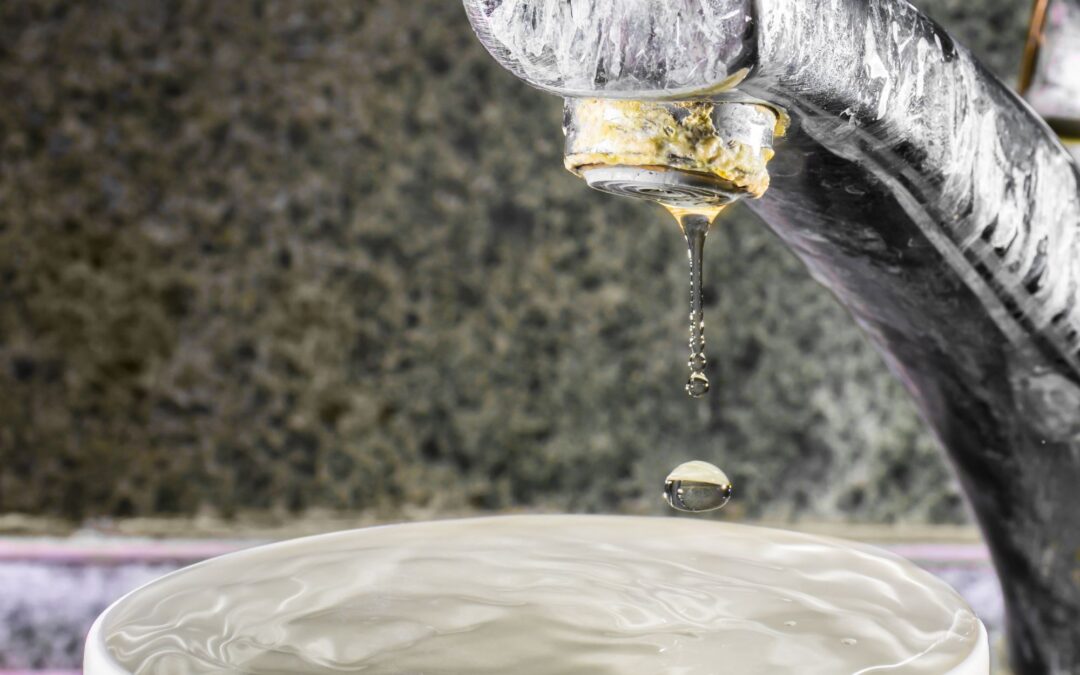
If you’ve noticed cloudy spots on glassware, soap that won’t lather, or white stains on fixtures, you might be dealing with hard water. This common issue affects millions of homes, especially those that rely on groundwater, and is caused by high levels of dissolved minerals like calcium and magnesium. While not a health hazard, this can impact your plumbing, appliances, and daily comfort. In this guide, we’ll explain what causes hard water, how to identify it, and what you can do to fix it.
What Causes Hard Water?
As groundwater moves through the earth, it absorbs carbon dioxide, which forms a weak acid that dissolves minerals. This forms when fresh water flows through limestone, chalk, or gypsum, absorbing minerals like calcium carbonate and magnesium ions. This happens as water flowing underground absorbs calcium and magnesium from mineral-rich formations. These minerals are found in the geological formations of many regions, which is why water hardness varies significantly depending on your location.
Why Some Regions Have Harder Water Than Others
In areas with abundant limestone, water often emerges with high concentrations of hardness-causing ions. These minerals are absorbed due to the region’s major ion chemistry concentrations, which influence water hardness levels. According to the U.S. Geological Survey (USGS), over 85% of U.S. households have water that is considered hard or very hard. The Water Quality Association also confirms that hard water is widespread, especially in homes that rely on well water.
Water hardness is typically measured in milligrams per liter (mg/L) or parts per million (ppm). Water hardness occurs in varying degrees, depending on the concentration of dissolved minerals, and is categorized as:
- Soft: 0–60 mg/L
- Moderately hard: 61–120 mg/L
- Hard: 121–180 mg/L
- Very hard: 180+ mg/L
The presence of these minerals is influenced by major ion chemistry, particularly the concentration of metal cations such as calcium and magnesium, which change the chemical properties of the water.
Signs You Have Hard Water at Home
You don’t need a lab to recognize this. Many of the signs show up in your daily routines. Whether it’s your dishes, plumbing, or even your skin, this leaves a noticeable trail of inconvenience and inefficiency.
One of the earliest signs is a struggle with soap. If your soap won’t lather properly or seems to leave a residue, it could be reacting to calcium and magnesium concentrations in your water. Over time, this can lead to:
- Soap scum or cloudy film on sinks, tubs, and shower doors
- White spots on drinking glasses and dishes after washing
- Dry skin or an itchy feeling after showering
- Reduced water pressure caused by scale buildup inside pipes
- Faded or stiff laundry even after using detergent
- Frequent appliance breakdowns, especially water heaters and dishwashers
These symptoms are the result of mineral buildup, which interferes with normal water flow and cleaning efficiency. You may also notice that it takes more soap or detergent to achieve the same results you’d expect from soft water.
Hard Water vs. Soft Water: Key Differences
Understanding the difference between hard and soft water is important for making the right treatment choices. While both types of water are considered safe for daily use, they have very different effects on your home and comfort.
Hard water contains naturally occurring minerals such as calcium and magnesium. They are examples of minerals dissolved into groundwater as it passes through soil and rock. These give it a distinctive taste and texture, but also cause scaling, soap resistance, and long-term damage to plumbing.
Soft water, typically achieved through a water softening system, contains fewer minerals. It’s often produced by replacing calcium and magnesium ions with positively charged sodium ions through a process called ion exchange.
| Feature | Hard Water | Soft Water |
|---|---|---|
| Mineral Content | High (calcium, magnesium) | Low (sodium or potassium) |
| Soap Lathering | Poor | Excellent |
| Appliance Efficiency | Reduced lifespan, scaling | Longer lifespan, no scale |
| Effect on Skin/Hair | Can cause dryness or buildup | Leaves skin soft, hair manageable |
| Water Heater Performance | Scale buildup lowers efficiency | Performs optimally |
| Taste | Mineral-heavy | Milder or neutral |
While soft water is preferred for cleaning efficiency and appliance protection, those on low-sodium diets may wish to explore salt-free alternatives like lime softening or reverse osmosis systems.
Effects of Hard Water on Your Home and Health
The consequences of this go beyond spots on your glassware. Over time, the minerals in hard water can create serious problems for your home’s infrastructure, leading to costly repairs and higher utility bills.
Household Impacts:
- Plumbing Systems: Mineral deposits form along pipe walls, leading to clogged pipes, restricted water flow, and eventual corrosion.
- Appliances: Water heaters, dishwashers, and laundry machines wear out faster due to scale buildup, which can reduce their efficiency by up to 25%.
- Fixtures & Faucets: Unsightly buildup and corrosion damage surfaces, and reduce water pressure.
Personal Care:
- Skin and Hair: The high mineral content in this can strip your skin of natural oils, causing dry skin or worsening eczema. It can also leave hair looking dull or greasy.
- Laundry: Hard water interferes with detergent, making clothes appear faded, stiff, or less clean.
Despite these effects, there is no conclusive evidence from the World Health Organization (WHO) linking hard water to any adverse health effects, including cardiovascular disease. Some studies have suggested a possible link between hard water and improved cardiovascular health, although further research is needed.
How Hard Water Affects Water Heaters and Energy Bills
One of the most expensive consequences of this is the toll it takes on your water heater. The minerals form an insulating layer of scale on heating elements and the inside of the tank. This scale forces your system to work harder to heat water, which leads to:
- Increased energy consumption: A water heater coated with scale can lose up to 30% efficiency, leading to higher utility bills.
- Shorter appliance lifespan: Sediment buildup can cause overheating and premature failure.
- Reduced water capacity: Thick deposits reduce the usable space in your tank.
To minimize the impact, it’s essential to flush your water heater every 6–12 months and consider installing a whole-house water softening system if you reside in a region with very hard water.
How to Test for Hard Water (DIY and Pro Options)
Not sure if your water is hard? You can test it yourself or hire a professional to confirm. Knowing your total hardness in mg/L or ppm helps you choose the best treatment.
- DIY Soap Bottle Test: Fill a clear bottle halfway with tap water, add a few drops of pure liquid soap (not detergent), and shake vigorously. If you see lots of suds, the water is probably soft. If the water is cloudy with little suds, it’s likely hard water.
- Test Strips: Available online or at hardware stores, these paper strips change color to indicate water hardness levels. They’re inexpensive, easy to use, and provide quick results.
- Lab or In-Home Testing: For accuracy, a professional plumber or certified lab can test your water’s chemical properties, measuring calcium and magnesium concentrations. This is recommended if you’re considering installing a water softening system.
How to Fix Hard Water: Solutions That Work
Hard water is manageable with the right treatment. The solution depends on your water’s mineral content, home setup, and health considerations.
1. Ion Exchange Water Softeners
These systems work by replacing calcium and magnesium ions, which are the minerals responsible for water hardness, with sodium ions through a process known as ion exchange. They’re highly effective at reducing scale buildup in plumbing and appliances, improving water flow, and enhancing soap efficiency. On average, these systems cost between $500 and $2,000, not including installation and ongoing maintenance.
2. Salt-Free Conditioners
These systems don’t remove minerals but alter their structure to reduce scaling. They’re low maintenance and better for the environment, though slightly less effective. Salt-free conditioners are ideal for homeowners looking to avoid added sodium in their water. They also help extend the lifespan of appliances by minimizing scale buildup without changing the water’s mineral content.
3. Reverse Osmosis Systems
Ideal for drinking water, reverse osmosis filters remove most dissolved minerals and many contaminants. Not typically used for whole-house treatment due to slower flow rates. These systems are highly effective at improving taste and clarity for cooking and drinking. However, they produce wastewater during filtration and require regular filter changes for optimal performance.
4. Natural Cleaning Solutions
Use white vinegar or citric acid to remove mineral stains from fixtures, dishes, and shower doors. It’s a short-term fix, not a substitute for actual softening. Use white vinegar or citric acid to remove mineral stains from fixtures, dishes, and shower doors. It’s a short-term fix, not a substitute for actual softening.
Hard Water in the Northeast: How Common Is It?
Water hardness isn’t just a southwestern or midwestern issue. It also affects many communities across the Northeast, particularly in parts of New York State, including Westchester County and Putnam County. These areas often rely on groundwater sources that flow through mineral-rich bedrock, leading to moderately hard to very hard water.
Local geology plays a major role. Regions with limestone, dolomite, or gypsum are especially prone to elevated levels of calcium and magnesium, the minerals that define hard water. In homes that draw from private wells or older municipal systems, signs like soap scum, scale buildup, or reduced water pressure are fairly common.
Because water hardness varies even between neighboring towns, it’s important to test your water directly. Municipal water quality reports, USGS geological surveys, or an in-home test kit can help you understand the specific hardness level in your area and whether treatment is needed.
Hard Water Myths vs. Facts
There’s a lot of misinformation surrounding hard water. Let’s break down some of the most common myths and what the science actually says:
Hard water is dangerous to drink
This isn’t true. While hard water may have a different taste compared to soft or filtered water, it’s not considered unsafe. In fact, the Environmental Protection Agency (EPA) states that hard water poses no known health risks and may even contribute small amounts of beneficial minerals like calcium and magnesium.
Hard water causes kidney stones
This is a common concern, but current research doesn’t support it. Although hard water does contain calcium, there is no direct evidence showing that drinking hard water leads to kidney stone formation. The minerals in hard water are only one of many dietary and genetic factors involved.
Soft water is always better
It depends on your needs. Softened water can improve soap lather, prevent scale, and protect appliances, making it highly beneficial in the home. However, the ion exchange process used in most softeners introduces sodium ions, which may not be ideal for individuals following low-sodium diets. In those cases, salt-free systems or filtered drinking water may be a better choice.
Conclusion
Hard water may not pose a major health concern, but its impact on plumbing, appliances, and daily comfort is worth addressing. High calcium deposits and minerals from the water supply can build up over time, reducing efficiency and increasing costs. Using a water softener is one of the most common water treatment methods to remove the ions causing this buildup. Although softening can improve your water system, the added sodium content may be a concern for some, which is a major disadvantage of traditional ion exchange systems. Some alternatives use calcium hydroxide to help soften water without affecting sodium levels. Water research continues to explore ways to provide pure water while preserving essential mineral content. If your tap water is considered soft or only moderately hard, testing is still important to ensure you maintain a healthy balance.
At Goldberg Plumbing, we help homeowners across Northern Westchester and Putnam Counties protect their homes from the effects of hard water with proven, professional solutions. Whether you need a reliable water softener installation, appliance protection, or expert water testing, our licensed plumbers are here to improve your water quality and extend the life of your plumbing system. Get peace of mind. Contact us today to schedule your hard water assessment or treatment service.
FAQs
What is meant by hard water?
Hard water contains dissolved minerals, especially calcium and magnesium, that build up as water flows through certain types of rock. While safe to drink, it can cause issues with soap, plumbing, and appliances due to mineral residue.
How do I tell if I have hard water?
Common signs include soap scum, white spots on dishes, dry skin, and low water pressure. You can test using a DIY soap method, store-bought test strips, or have a professional conduct a lab test. In many cases, the consistent need to use more soap or shampoo to get the same lather is also a telltale indicator of hard water.
Is hard water safe to drink?
Yes. Hard water is generally safe for consumption and may provide essential minerals like calcium. However, it may not taste as smooth as soft water and can affect sensitive appliances. It’s more of a nuisance than a health risk for most households.
What is hard water vs soft water?
Hard water has high levels of calcium and magnesium. Soft water has low mineral content and is often treated with sodium or potassium ions via ion exchange. Soft water improves cleaning and reduces buildup in pipes.
Can hard water affect my garden or houseplants?
Yes. High mineral content in hard water can alter soil pH and cause salt buildup, which may affect plant health over time. Using rainwater or filtered water is a safer option for sensitive plants. Over time, these minerals can accumulate in the soil, potentially restricting nutrient absorption by the roots.