
If your boiler is constantly running, it usually points to an issue that affects how your heating system operates. This can lead to higher energy use, uneven heating, and added wear on your equipment. In some cases, a thermostat setting causes the problem, but deeper issues with pressure, controls, or internal components can also keep the system running.
Many homeowners across Northern Westchester and Putnam County notice their boiler running longer than expected, turning on at odd times, or not shutting off at all. Problems within the heating system and boiler system often cause this behavior, especially when water circulation or system balance is off. While short run times can be normal, continuous operation is not, so a professional should check the system to identify the cause.
Is It Normal for a Boiler to Run Constantly?
A boiler running constantly is sometimes normal for a short period, especially after the heating shuts off. This is called pump overrun, where the system continues circulating hot water to cool internal components. However, if the boiler runs frequently or never shuts off, it often points to a problem.
What Is Pump Overrun and Why It Happen
Pump overrun is a built-in safety process in most modern boilers. After the burner shuts off, the pump continues to move hot water through the system for several minutes. This helps cool the heat exchanger and prevents overheating inside the unit.
This process is especially common in a combi boiler or gas boiler, where internal components can hold a lot of heat after the heating cycle ends. The pump keeps running to balance temperature and protect the system from damage.
When It Stops Being Normal
Problems begin when the boiler keeps running beyond a small amount of time. If your boiler runs all night, turns back on repeatedly, or never shuts off, it is no longer normal. This type of behavior often means there is an issue with a thermostat, valve, or pressure imbalance. Over time, this can lead to short cycling, higher costs, and stress on the system
Common Reasons Your Boiler Keeps Running
The most common reasons a boiler keeps running include thermostat issues, faulty valves, pressure problems, or circulation faults. Some are minor control issues, while others can lead to higher energy costs or system wear if left unchecked.
Understanding these causes helps you figure out whether the issue is simple or something that needs professional attention. In many homes across Somers and Jefferson Valley, we see a combination of small faults that build into bigger heating system problems.
Faulty Thermostat or Incorrect Settings
A faulty thermostat is one of the most common reasons a boiler keeps running. If the thermostat does not read room temperature correctly, it keeps calling for heat even when the space is already warm. This can happen due to worn contacts, incorrect placement near heat sources, or incorrect settings. Sometimes the internal thermostat or t-stat continues sending signals even after the desired temperature is reached.
Stuck or Failing Motorised Valve
A motorised valve controls the flow of hot water through your heating system. When this valve becomes stuck open or fails to close properly, heat continues circulating even when the system should shut off. In some cases, homeowners may notice radiators staying hot or the system running without stopping. This often means the valve is stuck or not responding to the controls properly.
Circulation Pump Issues
The pump plays a key role in moving water through the system. If the pump continues running beyond normal pump overrun, it may be due to wiring faults or internal wear. When this happens, the system may continue reheating water or pushing flow through the pipes even when no heat is needed. This can lead to constant running and confusion around whether the boiler is actually turning off.
Boiler Pressure Problems
Pressure plays a major role in how a boiler operates. High or unstable pressure can cause the system to behave unpredictably, including running longer than it should. Low water pressure can also create problems. In some cases, the boiler may keep trying to reach the correct pressure level, which leads to frequent cycling or continuous operation.
Wiring or Control System Faults
Electrical issues are often overlooked but can cause a boiler to run constantly. A broken wire, faulty control board, or incorrect connection can prevent the system from shutting down. These issues can be difficult to diagnose without proper tools. That is why professional inspection is often the fastest way to resolve the problem.
If you’re dealing with any of these issues in Putnam County or Northern Westchester, a proper boiler inspection can quickly diagnose the problem and prevent costly damage.
Signs Your Boiler Running Constantly Is a Problem
A constantly running boiler becomes a problem when it increases energy bills, overheats your home, or runs without stopping for long periods. These signs often point to mechanical or control issues that require professional attention. Many homeowners first notice the issue through changes in comfort or cost. The system may still produce heat, but it is not operating efficiently.
Common signs include:
- The boiler runs all night or all day without stopping
- Radiators stay hot even when the thermostat is off
- Higher heating bills without increased usage
- Boiler turning on randomly or frequently
- Unusual noises during operation
If you notice these signs, it is best to inspect the system early. Small issues can turn into costly repairs if left unresolved.
How a Constantly Running Boiler Affects Your Home
A boiler that runs nonstop can raise energy costs, wear out internal components faster, and increase the risk of unexpected breakdowns. Over time, this can lead to more expensive repairs or even early replacement of the unit.
Many homeowners do not realize how much impact constant running can have until they see a spike in energy bills or experience a sudden failure.
Higher Energy Bills
When a boiler keeps running, it continues to use gas and power even when heat is not needed. This increases monthly costs and wastes energy. Even a small amount of unnecessary running can add up over time, especially during colder months.
Increased Wear on Components
Parts like the heat exchanger, pump, valve, and controls wear out faster when the system runs constantly. Short cycling occurs when the boiler turns on and off too frequently, which puts extra strain on the system and reduces its lifespan.
Risk of Sudden Breakdown
A boiler that runs constantly is more likely to fail without warning. Components can overheat, pressure can build, and small issues can become major problems. This is why early repair and inspection are important. Fixing the issue early is usually less costly than waiting for a full breakdown.
Quick Checks You Can Do Before Calling a Professional
Before calling a professional, homeowners can check thermostat settings, confirm timers are correct, and look at pressure levels. These simple steps can help rule out minor issues and give a clearer picture of what might be wrong.
These checks are safe and do not require technical knowledge. They can help you understand whether the issue is related to settings or something more serious.
Here are a few things to look at:
- Check the thermostat settings and temperature
- Review the timer schedule and controls
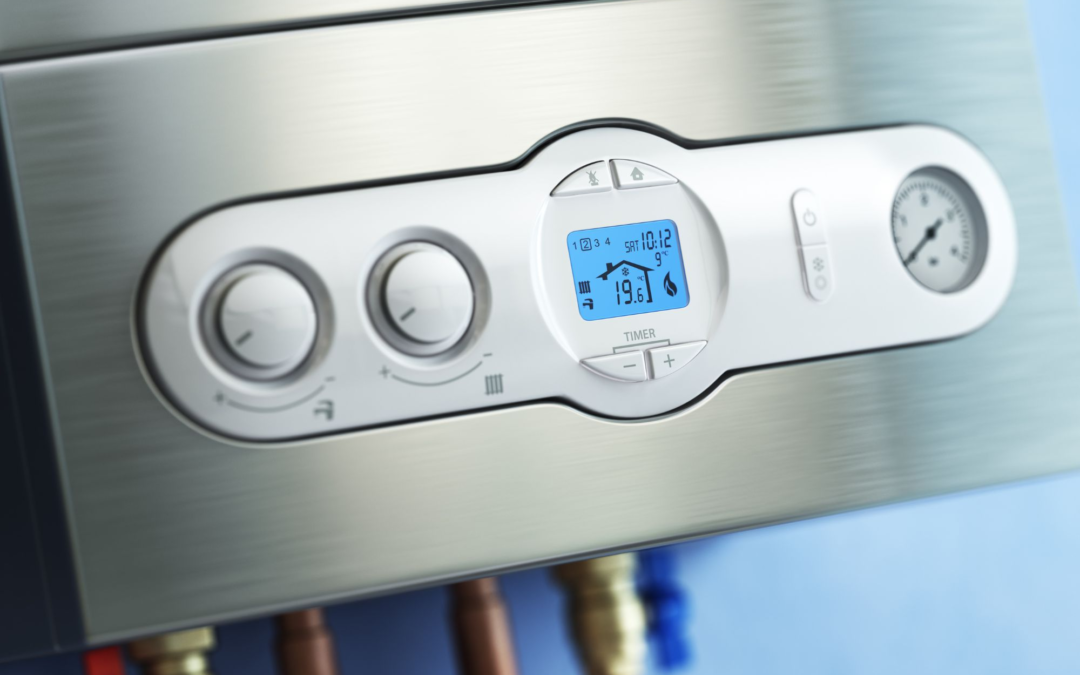
- Look at the pressure gauge on the boiler
- Listen for unusual sounds during operation
If everything appears normal but the boiler keeps running, it is time to call a professional to inspect the system more closely.
Simple Ways to Prevent Boiler Problems in the Future
Preventing boiler issues starts with regular maintenance, proper system checks, and early attention to unusual behavior. Keeping your system in good condition reduces the chance of constant running and extends its lifespan. Many problems begin as small issues that go unnoticed. Regular inspection can catch these early before they become costly repairs.
Here are a few simple ways to reduce risk:
- Schedule annual boiler inspection
- Monitor pressure levels regularly
- Address unusual sounds or behavior early
A well-maintained boiler runs more efficiently and is less likely to develop problems like constant running.
When to Call a Boiler Professional
You should call a boiler professional when the system runs continuously without stopping, ignores thermostat settings, or shows signs of pressure or mechanical issues. Early inspection can prevent larger and more costly problems. Many homeowners wait too long, hoping the issue will resolve on its own. In reality, most boiler problems do not fix themselves and can get worse over time.
Goldberg Plumbing & Heating works with homeowners across Mahopac, Yorktown Heights, and surrounding areas to quickly diagnose boiler issues and provide clear solutions. If your boiler is not shutting off, it is best to have it inspected before it leads to a bigger repair.
Conclusion
A boiler running constantly may be normal for a short time, but if it continues, it often points to issues with the thermostat, valve, pressure, or controls. Knowing the difference helps you avoid higher energy costs and prevent unnecessary wear on your system. Addressing the problem early can save you from more costly repairs and keep your heating system running safely and efficiently.
If you’re dealing with this issue in Northern Westchester or Putnam County, Goldberg Plumbing & Heating can inspect your system, explain the problem clearly, and provide a reliable solution you can trust. You can contact us anytime to have your boiler checked and get clear, straightforward answers.
FAQs
What causes a boiler to run constantly?
A boiler can run constantly due to a faulty thermostat, a stuck valve, pressure issues, or wiring problems. These issues prevent the system from shutting off properly. In many cases, the problem starts small but becomes more noticeable over time.
Why is my boiler running when nothing is on?
If your boiler is running when nothing is on, it may be receiving a signal from a faulty thermostat or control system. A stuck valve can also allow heat to flow even when it should stop. A professional inspection can identify the exact cause.
How long should a boiler run before shutting off?
A boiler typically runs for several minutes after heating shuts off due to pump overrun. This helps cool internal components safely. If it continues running for much longer, there may be an issue with the system.
Why is my boiler not shutting off?
A boiler that does not shut off is often caused by a faulty thermostat, wiring issue, or stuck valve. These problems prevent the system from receiving the correct signal to stop heating. It is best to have the system inspected to avoid further damage.