
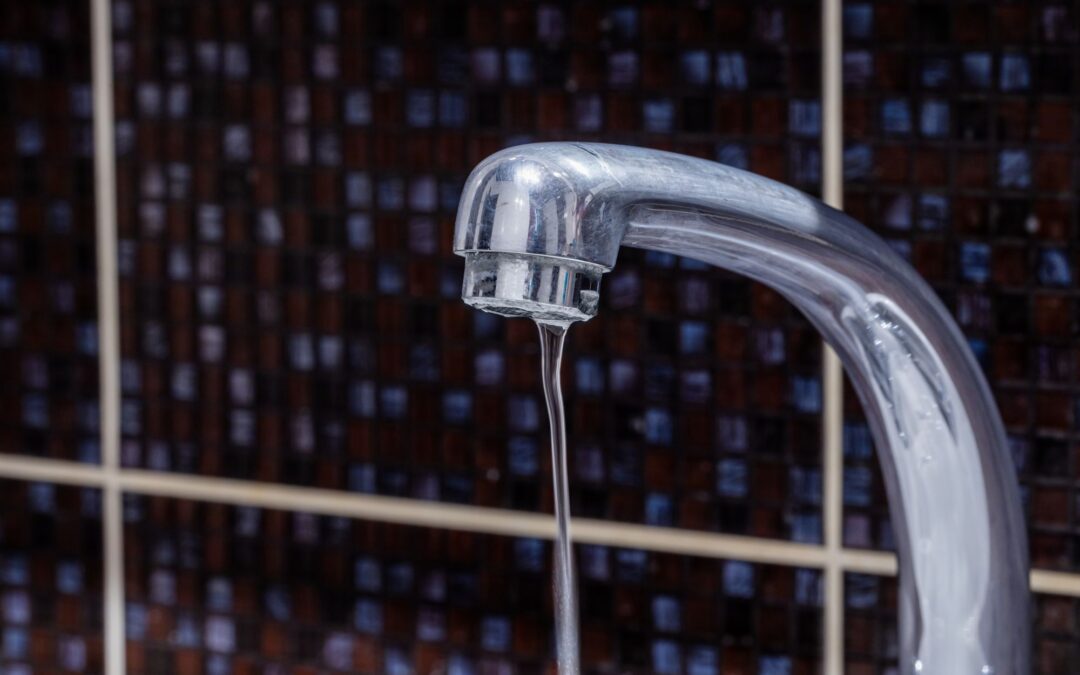
There’s nothing more frustrating than turning on the shower and getting a weak drizzle instead of a steady stream. Or waiting far too long for the kitchen sink to fill a pot. These everyday annoyances are often signs of a deeper issue with your plumbing system. Low water pressure doesn’t just slow you down. It could point to hidden problems like clogged pipes, valve issues, or aging fixtures.
If you’ve been wondering, “Why is my water pressure low?” you’re in the right place. In this guide, we’ll break down the most common causes of low water pressure and what you can do to fix it. A simple solution might be all it takes to restore proper flow and avoid bigger plumbing troubles later on.
How to Tell If You Have Low Water Pressure
Before jumping to conclusions, take a few minutes to test your system.
Use a Water Pressure Gauge
To confirm whether your water pressure is truly low, attach a water pressure gauge to an outdoor hose spigot. A healthy reading should fall between 40 and 80 PSI (pounds per square inch). If your reading comes in below 40, your home’s water pressure is likely too low and may need further investigation.
Compare Hot and Cold Water
If you’re only experiencing low pressure from the hot water, your water heater could be causing the issue. But if both hot and cold water are running weak, the problem likely lies in the main water supply or your plumbing system.
Check Multiple Fixtures
When just one fixture like your kitchen sink has low pressure, it’s often due to a clogged aerator or cartridge. This is an easy fix. However, if the low flow affects your entire home, it’s time to inspect the main shutoff valve, water meter valve, or pressure regulator for potential restrictions.
Ask a Neighbor
If your neighbors also notice low water pressure, the issue probably isn’t inside your home. It could be caused by maintenance or disruptions in the municipal water supply. Contact your water company or check their alerts to see if work is being done in your area.
Common Causes of Low Water Pressure
Here are the most likely reasons for poor water flow in your home, and how to fix each one.
1. Clogged Pipes
Mineral buildup or debris inside pipes, especially in older galvanized steel pipes, can slowly narrow the pipe’s interior, restricting the flow of water and reducing pressure throughout your home. This issue is common in areas with hard water and may affect multiple fixtures. If your pressure keeps declining over time, clogged pipes might be the culprit.
2. Corroded Pipes
Older plumbing systems with brass pipes, copper pipes, or galvanized steel can develop corrosion on the inside. As these pipes age, rust and mineral deposits accumulate, making it harder for water to pass through. This is a common cause of low water pressure in historic or unrenovated NYC buildings, especially those with outdated plumbing systems.
3. Leaking Pipes
A hidden leak can drastically reduce your home’s water pressure, even if it’s small. Water escapes before reaching your taps, causing a low flow and potential water damage. If you notice damp walls, mold, or rising water bills, your system may have more than one leak, and professional leak detection is critical.
4. Failing Pressure Regulator
A pressure-reducing valve (PRV) helps stabilize water pressure coming from the main city supply pipe. When this pressure regulator starts to fail, you might experience sudden pressure drops or inconsistent flow in your plumbing fixtures. Left unaddressed, it can cause damage to appliances and pipes due to fluctuating pressure.
5. Main Shutoff Valve Not Fully Open
If your main shutoff valve isn’t completely open, water entering your home is automatically restricted. Even if it’s only slightly turned, it can reduce your water flow significantly. This valve is often found where the supply line enters the house, and a simple adjustment may fix low water pressure issues instantly.
6. Water Meter Valve Is Closed
The water meter valve is typically maintained by the water company and is located near the street or on the exterior of the building. After plumbing repairs or city maintenance, this valve may be left partially shut. If your pressure dropped following work on your street, this could be the cause.
7. Faulty Fixtures or Clogged Aerators
When low water pressure affects just one faucet or showerhead, like your kitchen faucet or bathroom sink, the issue is often a clogged aerator or clogged cartridge. Mineral buildup or rust particles can get trapped in these small screens, blocking water. Cleaning or replacing them is a quick, effective DIY fix.
8. Water Heater Issues
If your hot water pressure is low while cold water runs fine, your water heater may be to blame. Sediment buildup inside the tank can block the outlet or narrow internal pipes. Over time, this affects hot water flow and efficiency. Regular maintenance or flushing can help restore normal pressure.
9. High Water Usage at Once
Your plumbing system has limits. Running a shower, dishwasher, washing machine, and garden hose all at once can overwhelm your supply, leading to less pressure in every tap. This issue is especially common in households with many residents. Spacing out water usage helps balance the flow and avoid pressure dips.
10. Shared Water Lines
Some older NYC buildings and row houses share supply lines, meaning you and your neighbors might be drawing water from the same source. When several homes use water simultaneously, it can lead to water pressure issues during peak hours. The longer the pipe run, the more pressure you lose along the way.
11. Small or Outdated Branch Lines
If your home’s branch lines, the smaller pipes running from your main line to sinks, showers, and appliances, are too narrow or outdated, they may restrict water flow even if your main line pressure is fine. Upgrading to wider pipes can significantly increase water pressure throughout your home.
12. Municipal Water Supply Problems
Sometimes, the problem isn’t inside your home. If your water pressure drops suddenly and your neighbors experience the same, the issue could be with the municipal water supply. Your water supplier may be conducting repairs, flushing hydrants, or dealing with a burst pipe. In that case, there’s nothing to fix until service is restored.
DIY Solutions to Fix Low Water Pressure
Here are a few easy ways to get better pressure before calling in a pro:
- Clean clogged faucet aerators and showerheads
- Check that all valves are fully open
- Use a water pressure gauge to measure PSI
- Flush your water heater annually
- Spread out heavy water usage (avoid using multiple appliances at once)
- Consider installing a water softener to prevent mineral buildup
When to Call a Licensed Plumber
If your water pressure issues are ongoing, widespread, or involve multiple causes, it’s time to bring in an expert. You should call a plumber if:
- You suspect corroded pipes or deeply clogged pipes
- You’ve checked valves and fixtures, and the pressure is still low
- You notice signs of a leak, but can’t find it
- Your pressure regulator needs testing or replacing
- You’re thinking of upgrading your plumbing system
Conclusion
Low water pressure can be more than just a daily inconvenience. It often points to hidden issues within your plumbing system. Whether it’s clogged pipes, a faulty pressure regulator, or aging infrastructure, identifying the cause early can help you avoid more costly repairs in the future. By understanding what affects your home’s water flow and knowing when to take action, you’ll protect both your comfort and your plumbing investment.
If you’re tired of dealing with low water pressure in your home, Goldberg Plumbing is here to help. We proudly serve Northern Westchester and Putnam Counties with licensed experts, advanced diagnostic tools, and a reputation for fast and reliable service. Contact us today to schedule your water pressure inspection or plumbing repair.
FAQs
How do I fix low water pressure in my home?
Start by checking that all shutoff valves are fully open, cleaning any clogged aerators, and testing your pressure with a gauge. If pressure is still low, call a licensed plumber to inspect for leaks, clogs, or a failing pressure regulator.
Who is responsible for low water pressure?
If the issue is within your property lines, it’s your responsibility. However, if it’s caused by a problem with the municipal water supply or main service line, the water company may be responsible.
Why is my water pressure so low, but no leak?
Low pressure without a leak is often due to clogged pipes, a partially closed valve, or a failing pressure regulator that needs adjustment or replacement.
What causes a decrease in water pressure?
Common causes include mineral buildup in pipes, corroded plumbing, hidden leaks, shared supply lines, or issues with your pressure regulator or water meter valve.