
A flooded basement can cost homeowners thousands of dollars in repairs, not to mention the stress and health risks from mold and structural damage. In areas like Westchester and Putnam County, where heavy rains and older homes are common, basement flooding is one of the most serious threats to property value. The good news? With the right steps, most basement flooding can be prevented.
In this guide, we’ll explain the most common causes of basement flooding, practical steps you can take to keep water out, and long-term solutions that protect your home year after year. At Goldberg Plumbing, we’ve been helping families in Westchester and Putnam County, and if you’d like professional support, you can schedule service with our Somers plumbing team.
What Causes Basement Flooding
Most basement flooding comes down to a handful of issues: clogged gutters, poor drainage, cracked foundations, broken sump pumps, or sewer backups. In Westchester and Putnam County, heavy rainfall combined with clay soil makes these problems worse because clay holds water longer than sandy soil.
It’s also important to remember that sometimes flooding comes from inside the house, such as burst pipes in winter or leaking water heaters. Pinpointing the true cause is the first step. A pool of water near a basement wall after rain usually signals exterior drainage issues, while standing water during a power outage points toward sump pump problems. At Goldberg Plumbing, we offer comprehensive heating services to ensure your heating system supports your plumbing, helping reduce the risk of frozen or burst pipes.
Exterior Fixes to Prevent Basement Flooding
Keeping water away from your foundation is the most effective and affordable first step. By improving drainage and sealing entry points outside your home, you stop problems before they start.
Gutter and Downspout Maintenance
Overflowing gutters are one of the biggest culprits in basement flooding. When gutters clog, water pours directly onto the ground by your foundation.
- Clean gutters at least twice a year, ideally in spring and fall.
- Extend downspouts 6 to 10 feet from the house to carry water further away.
- Add splash blocks or underground pipes if water still collects near walls.
Grading and Landscaping
The slope of your yard determines where rainwater goes. If your yard tilts toward the house, water naturally runs into the basement.
- Soil should slope six inches down over the first ten feet away from your home.
- Regrading problem areas can redirect water effectively.
- For stubborn wet spots, French drains or dry wells are excellent options.
Sealing Entry Points
Windows, egress wells, and utility lines are weak spots. Water often sneaks in through these openings.
- Use high-quality waterproof caulking or sealants.
- Install clear window well covers.
- Inspect seals regularly, especially after harsh winters or storms.
Interior Basement Flooding Prevention Solutions
Even with perfect exterior drainage, basements benefit from added interior protection. These systems act as a safety net when heavy rain or groundwater pressure overwhelms outside defenses.
Sump Pumps and Battery Backups
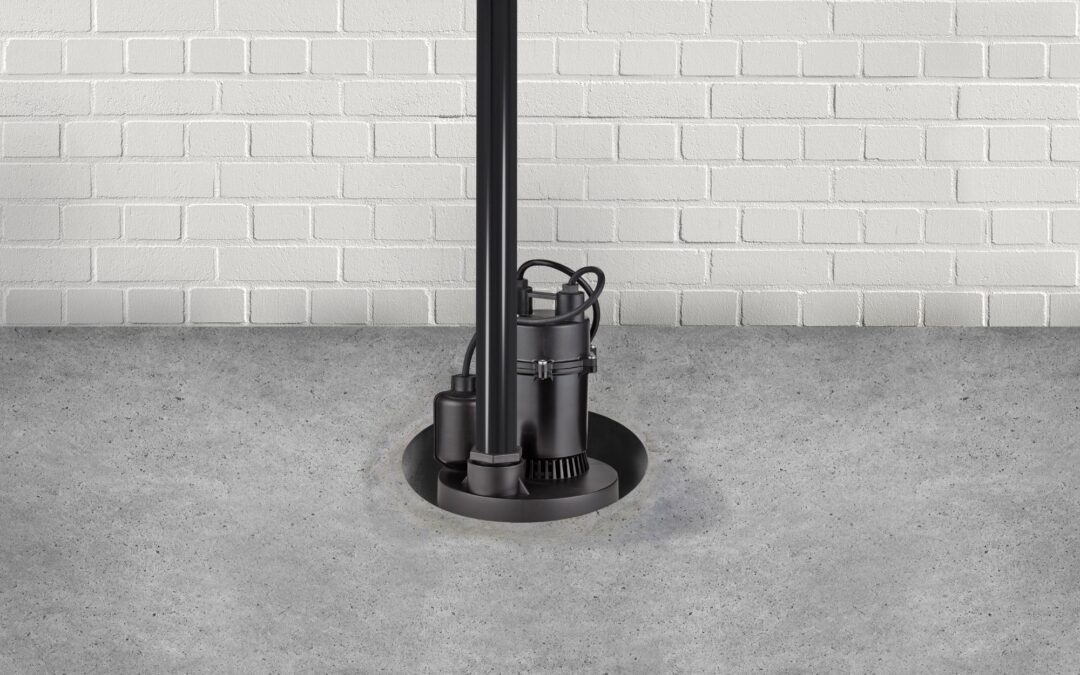
A sump pump is the workhorse of basement protection. It collects water and pumps it out before flooding starts.
- Test your sump pump twice a year to confirm automatic operation.
- Install a battery backup so it keeps running during outages.
- Add a water alarm so you know when water levels rise.
Interior French Drains
These drains sit along the perimeter of your basement floor, guiding water into the sump pump.
- Perfect for older basements with wall-floor joint leaks.
- Reduces hydrostatic pressure on foundation walls.
- Can be added during renovations or waterproofing projects.
Waterproofing Membranes
Also called cavity drainage systems, these line walls and floors to stop seepage.
- Redirects water into drains or pumps.
- Works best for homes with high water tables or chronic dampness.
- Requires professional installation for durability.
Emergency Steps if Your Basement Floods
Even with the best prevention methods in place, unexpected flooding can still happen. Heavy storms, burst pipes, or a sump pump failure can leave several inches of water in your basement in a matter of hours. Acting quickly and safely is the key to limiting water damage, avoiding costly repairs, and protecting your family’s health.
Safety First
The most important step is to make sure the basement is safe to enter. Never step into standing water until the electricity is shut off, as water and live wiring can create a life-threatening hazard. If you cannot access the breaker panel safely, call your utility company or an emergency electrician before going downstairs.
Remove Water Carefully
Once the power is off, you can begin removing water. Draining it too fast can actually crack or bow your foundation walls due to pressure changes in the soil outside. A good rule of thumb is to pump out no more than one foot of water per day. After the bulk of the water is gone, use wet vacuums, fans, and dehumidifiers to dry the space thoroughly. Starting the drying process within the first 24 to 48 hours is essential for mold prevention.
Clean and Disinfect Surfaces
Floodwater often contains dirt, bacteria, or even sewage, depending on the source. Every affected surface should be cleaned and disinfected to reduce health risks. Pay extra attention to porous materials like carpeting or drywall, which may need to be replaced.
When to Call for Help
Some flooding situations require more than DIY cleanup. Burst pipes, sewer backups, or repeated seepage are signs you need a professional plumber. Licensed experts can repair the source of the flooding, install drainage solutions, and provide long-term basement waterproofing. For Westchester homeowners, calling a trusted local company like Goldberg Plumbing ensures the issue is resolved quickly and safely.
Maintenance and Long-Term Prevention Plan
Preventing basement flooding is not a one-time fix but an ongoing commitment. Regular maintenance keeps your home prepared for heavy rain, melting snow, and freezing temperatures. By following a simple seasonal checklist, you can reduce risks and extend the life of your plumbing and drainage systems.
Spring
After winter storms, gutters are often filled with debris that can block water flow. Cleaning them ensures rainwater is directed away from your home. Spring is also the perfect time to test sump pumps before heavy rains begin. Pour water into the sump pit to make sure the pump activates automatically and consider having a plumber perform a full sump pump maintenance check.
Summer
During the summer, inspect your yard grading. Soil erosion or landscaping changes can cause water to slope back toward your foundation instead of away from it. Outdoor drains and catch basins should also be checked for blockages so they can handle sudden downpours.
Fall
Falling leaves clog gutters and downspouts quickly, so clearing them is critical before winter snow arrives. It is also a good time to replace sump pump backup batteries, which often lose power after several years. Taking this step ensures your system keeps working during a storm-related outage.
Winter
Frozen pipes are one of the most common causes of basement flooding in cold weather. Insulate any exposed plumbing and disconnect garden hoses to prevent freezing. You should also check the seals around basement windows and doors since melting snow can seep through even the smallest gaps.
Costs and ROI of Basement Flooding Prevention
Spending money on prevention now is far cheaper than paying for cleanup later. A single flood can cost $25,000 or more in repairs, mold removal, and lost belongings.
| Fix | Typical Cost | Potential Savings |
|---|---|---|
| Gutter extension | $200–$500 | $5,000+ |
| Sump pump installation | $1,500–$3,000 | $15,000+ |
| Full waterproofing | $8,000–$12,000 | $25,000+ |
Prevention is not just an expense; it is an investment that protects your home’s value and your family’s safety.
Conclusion
Basement flooding prevention is about more than keeping your basement dry. It protects your foundation, your family’s health, and your home’s value. With simple steps like gutter cleaning, grading adjustments, and sump pump maintenance, combined with professional waterproofing solutions, you can stay ahead of costly damage and stress. Taking action now gives you peace of mind the next time heavy rain or snow hits Westchester and Putnam County.
At Goldberg Plumbing, we help homeowners across Westchester and Putnam counties prevent basement flooding and protect their homes year-round. From sump pump installation to waterproofing inspections, our licensed plumbers provide reliable, long-term solutions. Contact us today to schedule your service and keep your basement safe and dry.
FAQs
How do you deal with a flooded basement?
Start by turning off the power for safety. Pump water out slowly, no more than one foot per day, and begin drying right away. Calling a plumber ensures the cause is fixed properly.
How to prevent basement flooding?
Homeowners often recommend cleaning gutters, extending downspouts, and adding sump pumps. While these are helpful, only a professional inspection can reveal hidden issues like cracks or sewer risks.
How to make a basement waterproof?
Waterproofing may involve sealing cracks, adding French drains, or installing waterproof membranes. A sump pump with a battery backup adds extra protection. Professional installation gives you the most reliable results.
How do I stop water from seeping in my basement?
Check grading, extend downspouts, and seal windows or utility openings. If seepage continues, professional solutions like French drains or membranes may be necessary. Goldberg Plumbing provides these services throughout Westchester and Putnam County.