As the temperatures drop, winter brings unique challenges for homeowners. Plumbing systems, which we rely on year-round, can become especially vulnerable to freezing temperatures. From frozen pipes to malfunctioning water heaters, winter plumbing problems can cause significant disruption and costly damage. Understanding the most common winter plumbing issues and how to prevent them is key to maintaining a healthy plumbing system throughout the cold season.
In this guide, we’ll explore the five most common winter plumbing problems and offer expert tips on how to protect your home from potential damage. Whether you’re preparing for the first freeze or dealing with an unexpected plumbing issue, this article provides the knowledge you need to keep your plumbing running smoothly during the winter months.
The 5 Most Common Winter Plumbing Problems
Winter brings with it several plumbing challenges that every homeowner should be prepared for. Below are the five most common winter plumbing problems:
1. Frozen Pipes
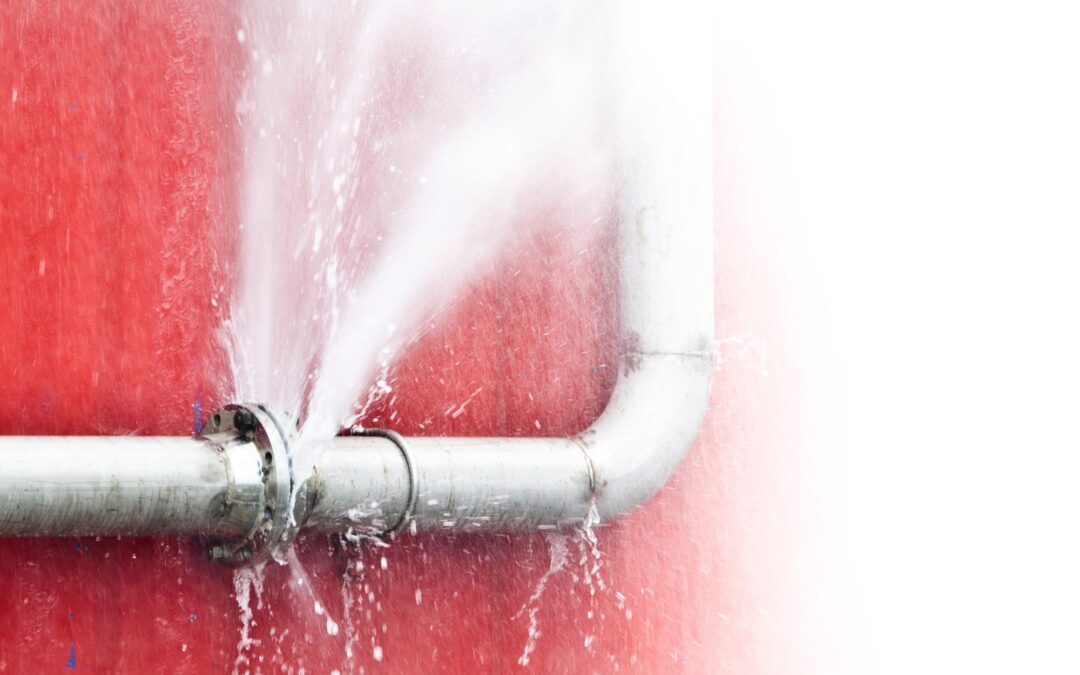
Frozen pipes are among the most common winter plumbing problems. When temperatures fall below freezing, the water inside pipes can freeze and expand. This puts immense pressure on the pipes, which can lead to cracks or even bursts. Common areas where frozen pipes occur include basements, attics, garages, and exterior walls.
How to Prevent Frozen Pipes:
- Install Pipe Insulation: Insulate exposed pipes with foam insulation or heat tape to protect them from freezing temperatures.
- Allow Warm Air to Circulate: Open cabinet doors under sinks to allow warm air to circulate around pipes.
- Apply Direct Heat: In extreme cold, use a space heater or heating pad to gently warm pipes in vulnerable areas.
2. Clogged Drains
Clogged drains are a common issue, especially in the winter when people tend to cook more, resulting in grease and food waste buildup. In colder temperatures, grease solidifies more easily, leading to blockages in kitchen drains. Clogged drains can also occur in bathrooms as soap scum, hair, and other debris accumulate.
How to Prevent Clogged Drains:
- Avoid Pouring Grease Down the Drain: Dispose of cooking grease and oils in the trash instead of pouring them down the kitchen sink.
- Use Strainers: Install strainers in bathroom and kitchen sinks to catch food debris and prevent buildup.
- Regular Maintenance: Clean your drains with a mild drain cleaner every few months to prevent the accumulation of grease and debris.
3. Water Heater Issues
Water heaters are under more strain during the winter months. With the demand for hot water higher during cold weather, your water heater works harder to keep up. Additionally, the cold water entering the water heater from outside can make it less efficient, and sediment buildup can lead to heater malfunctions.
How to Maintain Your Water Heater in Winter:
- Check the Pressure Relief Valve: Ensure your water heater’s pressure relief valve is functioning properly to prevent malfunctions caused by excessive pressure.
- Install a Water Heater Blanket: Adding insulation to your water heater helps prevent heat loss and reduces the workload of the unit.
- Regular Flushing: Sediment buildup inside the tank can affect the efficiency of the water heater. Flush your tank annually to keep it running efficiently during the winter months.
4. Outdoor Plumbing Problems
Outdoor plumbing fixtures like faucets, hoses, and sprinkler systems are more vulnerable during winter. Water left inside hoses and outdoor faucets can freeze and cause the pipes to crack or burst. It’s important to properly winterize these areas before the first freeze to avoid damage.
How to Prevent Outdoor Plumbing Problems:
- Disconnect Hoses: Always disconnect hoses from outdoor faucets to prevent water from freezing inside the hose and faucet.
- Drain Sprinkler Systems: If you have an irrigation system, make sure to properly drain and winterize it before the cold weather sets in.
- Insulate Outdoor Faucets: Use faucet covers or insulation to protect outdoor plumbing fixtures from freezing temperatures.
5. Sewer Line Backups
Freezing temperatures can also cause issues with your sewer lines, especially if they’re not well-insulated. Frozen sewer lines can lead to slow drainage, unpleasant odors, and even complete blockages. This issue is most commonly seen in older homes or those with poorly insulated plumbing.
How to Prevent Sewer Line Backups:
- Have Your Sewer Lines Inspected: Schedule an inspection with a plumber before winter to ensure your sewer lines are clear and in good condition.
- Install a Sump Pump: If you have a basement, a sump pump can help prevent flooding and backups caused by frozen sewer lines.
- Maintain Clear Drainage: Regularly check and clear your drainage systems to ensure there are no blockages that could worsen in the winter.
Preventive Measures: How to Protect Your Plumbing This Winter
Taking preventive action is key to avoiding costly winter plumbing problems. Here’s a list of proactive steps you can take to winterize your plumbing system and ensure your water supply inlet and water heater are working efficiently, even in the harshest winter weather:
Insulating Pipes
One of the most effective ways to prevent frozen pipes, a major winter plumbing issue, is to install pipe insulation. Insulating your pipes will keep the heat in and prevent freezing temperatures from affecting the water inside. Pipes located in exterior walls and areas with little or no heat, such as basements and attics, are particularly vulnerable to freezing. For added protection, consider using heat tape on these vulnerable areas, which provides direct warmth to keep the hot water outlet pipes from freezing.
Sealing Gaps and Cracks
Cold air can enter your home through gaps and cracks around windows, doors, and plumbing fixtures, leading to significant plumbing issues. These openings can contribute to the freezing of your pipes, especially those near exterior walls. To prevent this, inspect your home for any gaps or cracks and seal them with foam insulation or caulking. Ensure that the area around your water supply inlet is properly insulated, as any unsealed gaps can allow cold air to affect your plumbing system, potentially causing pipes to freeze or burst in extreme cold.
Draining Outdoor Faucets
Before the first freeze, make sure to drain any outdoor spigots and sprinkler systems. Water left in the pipes can freeze and expand, leading to cracked pipes and faucets. Disconnect hoses, turn off the water supply, and install hose bibb valve covers to protect your outdoor plumbing. Properly winterizing outdoor drains is also essential for avoiding freezing and backups in areas like the garden or yard.
Using Heating Tape
In areas prone to extreme cold, heating tape can be an effective solution to prevent freezing. Heating systems, like heat tape, apply direct warmth to pipes and keep the water flowing, reducing the risk of freezing. It’s especially useful for areas like metal drains and septic lines, where temperatures tend to drop more drastically. By using heating pads or space heaters, you can ensure your plumbing runs smoothly without risking a pipe burst from freezing.
How to Deal with Winter Plumbing Emergencies
While prevention is key, emergencies can still happen. Here’s what to do if you experience a winter plumbing problem like water pressure loss or a septic system malfunction:
Frozen Pipes
If you suspect that a pipe has frozen, the first thing to do is open the faucet connected to the pipe. This will help alleviate pressure as the pipe thaws. Use a hairdryer, space heater, or heating pad to gently thaw the frozen section of the pipe. If the pipe has burst or you cannot access the area, contact a plumber immediately. In extreme cases, where basement flooding is possible, turning off your home’s gas supply or power may help prevent further damage.
Clogged Drains
For clogged drains, avoid using harsh chemical drain cleaners, which can damage your pipes and water heater. Instead, use a plumbing snake or a plunger to clear the blockage. If the clog persists, it’s best to call a professional plumber to ensure the issue is properly resolved. Be especially careful around kitchen drains where food waste and grease may accumulate, especially in cold temperatures, solidifying and causing blockages.
Water Heater Issues
If your water heater struggles to maintain hot water or stops working altogether, first check the thermostat and pilot light (for gas heaters). If the issue persists, it may be time to call a plumber to inspect the unit. Regular maintenance, such as flushing the tank and checking for sediment buildup, can help ensure your water heater is running efficiently during the winter season. A well-maintained heater reduces the likelihood of water heater failure due to cold weather strains.
Water Heater Issues in Cold Weather: Troubleshooting and Fixes
Water heaters are under more strain during the colder months. With the increase in hot water demand and the cold water entering from outside, your water heater might work harder than usual. To ensure your heater runs smoothly during winter:
- Flush the Tank: Flushing your water heater annually helps remove sediment buildup, improving water flow and heating efficiency.
- Install a Water Heater Blanket: A water heater blanket reduces heat loss and makes the unit more efficient, ensuring that your heater can handle the demand for hot water during extreme cold.
- Check for Leaks: Ensure there are no leaks around your water heater, as even a small leak can cause significant issues, especially in freezing weather.
The Importance of Regular Winter Plumbing Maintenance
Regular maintenance is essential to keep your plumbing in good working order during the winter. Schedule a professional plumbing inspection before the winter months to ensure all systems are functioning properly. A plumber can check for any existing issues, such as pipe corrosion, blockages, or septic tank malfunctions, and address them before they become major problems.
Conclusion
Winter plumbing problems, such as frozen pipes, clogged drains, and water heater failures, can cause major disruptions to your home. By taking preventive measures like insulating pipes, disconnecting hoses, and regularly maintaining your water heater, you can avoid many of these issues. In the event of an emergency, it’s important to act quickly to minimize damage and call a professional plumber when necessary. Stay proactive and ensure your plumbing system remains in top condition throughout the winter season.
At Goldberg Plumbing, we help homeowners across Westchester and Putnam counties tackle common winter plumbing problems. From preventing frozen pipes to inspecting your water heater, our licensed plumbers provide reliable, long-term solutions. Contact us today to schedule your service and keep your plumbing system in top shape this winter.
FAQs
What is the most common plumbing problem in winter?
The most common winter plumbing problem is frozen pipes. When the temperature drops, water inside the pipes can freeze and expand, causing the pipes to burst. This often occurs in unheated areas like basements or attics.
Do pipes clog more in winter?
Yes, pipes are more likely to clog in winter due to the accumulation of debris like grease, food waste, and soap that solidify more quickly in cold temperatures. Kitchen drains are especially vulnerable, as grease and oil can congeal and block the pipes.
What happens to pipes in the winter?
In winter, pipes are at risk of freezing. When the water inside the pipes freezes, it expands and puts pressure on the pipe, which can cause it to crack or burst. This is particularly problematic in uninsulated or exposed pipes.
Can frozen pipes cause drain clogs?
Yes, frozen pipes can cause drain clogs, as the frozen section of the pipe can block the flow of water, leading to backups. This can cause slow drainage and increase the likelihood of plumbing issues.