A plumbing inspection service helps homeowners prevent costly repairs by identifying leaks, pressure problems, corrosion, and early system failures before they become major issues. In Putnam County, where many homes rely on older supply lines, well systems, and aging water heaters, regular inspections are essential for protecting property, water quality, and long-term plumbing performance. Goldberg Plumbing offers licensed, comprehensive inspections for homeowners who want a reliable assessment of their plumbing system and early detection of hidden issues.
What Is a Plumbing Inspection Service?
A plumbing inspection service is a full evaluation of your home’s plumbing system, including supply lines, drains, fixtures, water heaters, and safety components. Inspectors check for leaks, corrosion, low water pressure, blockages, and performance issues that can lead to expensive repairs. According to the International Residential Code (IRC), which New York State counties follow for plumbing safety requirements, plumbing systems must provide safe water distribution, proper drainage, and compliant fixtures.
A plumbing inspection uses visual assessment, pressure testing, flow testing, and in some cases, sewer camera evaluation. This process helps identify issues inside walls, under floors, and underground. Government-backed resources, such as the U.S. Environmental Protection Agency’s (EPA) WaterSense program, emphasize the importance of identifying leaks early, noting that household leaks nationwide waste up to 1 trillion gallons of water each year. These leaks often occur in toilets, faucets, valves, and supply lines, components reviewed during a professional inspection.
For homes in Putnam County, inspections offer additional value. Many properties were built decades ago and may contain older copper lines, original drain systems, or well equipment that benefits from periodic checks.
Why Plumbing Inspections Matter for Putnam County Homes
Plumbing inspections are critical for Putnam County homes due to aging infrastructure, winter temperature swings, and a mix of municipal and private well water systems. Cold weather increases the risk of pipe expansion, underground line stress, and joint deterioration. The New York State Department of Health (NYSDOH) notes that homeowners with private wells are responsible for maintaining plumbing components connected to their water supply, including ensuring that internal plumbing does not introduce contaminants or pressure fluctuations.
Homes in Mahopac, Carmel, Brewster, Patterson, and Kent often experience water hardness, sediment buildup, and fluctuating pressure due to well systems. Inspections help identify sediment accumulation inside water heaters, clogged aerators, scaling inside supply lines, or declining pump performance. These issues can cause low water pressure, reduced water quality, and accelerated wear on appliances.
Inspections also help prevent water damage resulting from unnoticed leaks behind walls, beneath sinks, or in crawl spaces. The EPA notes that even a slow leak can waste hundreds of gallons of water monthly and contribute to mold, rot, and structural damage. Early detection reduces the likelihood of emergency repairs and helps homeowners maintain efficient, safe plumbing year-round.
What’s Included in a Comprehensive Plumbing Inspection
A comprehensive plumbing inspection evaluates the entire plumbing system using standardized performance and safety checks. While inspection details vary by home, most assessments follow the safety principles outlined in the IRC and general plumbing maintenance guidelines published by public agencies such as the EPA and state health departments. Before reviewing the checklist, it’s important to understand why depth matters: plumbing problems rarely occur in isolation. Low pressure in one fixture may indicate a supply line issue, while slow drainage could signal sewer line deterioration or blockages.
Plumbing Inspection Checklist (Putnam County)
A complete plumbing inspection checks the full plumbing system to identify leaks, corrosion, blockages, performance issues, and safety concerns. Inspectors evaluate supply lines, drains, fixtures, water heaters, valves, and plumbing appliances to determine overall condition and potential risks.
Inspection checklist includes:
- Water supply lines: check for leaks, corrosion, improper slope, and pressure variations
- Drainage system: test flow rate, inspect for blockages, evaluate venting, and verify proper drainage
- Sewer line: camera inspection when needed to detect cracks, root intrusion, or buildup
- Water heater: inspect safety valves, temperature settings, sediment buildup, age, and efficiency
- Fixtures: toilets, sinks, tubs, showers, faucets, and shut-off valves
- Appliances: washing machine hoses, dishwasher lines, refrigerator supply lines
- Water pressure: test static and working pressure; identify restrictions or regulator issues
- Well-related components: pressure tank, sediment screens, filtration systems, and pump performance
- System safety: verify accessibility of shut-off valves and proper backflow protection
A licensed local plumber, such as Goldberg Plumbing, follows a detailed evaluation process to help homeowners understand the condition of their entire plumbing system.
Signs You Need a Plumbing Inspection Immediately
A plumbing inspection service becomes urgent when early warning signs appear. The EPA recommends addressing leaks as soon as they’re detected, noting that even small drips can lead to significant water waste and property damage. In Putnam County, seasonal temperature changes, aging pipes, and well sediment can increase the likelihood of system problems developing without obvious symptoms.
You should schedule a plumbing inspection immediately if you notice:
- Sudden or persistent low water pressure
- Recurring clogs or slow drains
- Unexplained water stains, moisture, or small leaks
- Noises such as banging, rattling, or water hammer
- Water heater temperature inconsistency or discoloration
- Sewer odors in drains or around your property
- Higher-than-usual water bills without increased usage
These signs may indicate hidden leaks, deteriorating pipes, restricted supply lines, or sewer blockages. Acting early prevents major repairs and protects home value.
How Much Does a Plumbing Inspection Cost?
The typical cost of a plumbing inspection service in Putnam County ranges from $150 to $350, depending on the home’s size, age, and complexity. Camera inspections of sewer lines may add to the total but provide essential insight into underground piping. Government consumer resources recommend that homeowners document inspection results and address identified risks quickly to avoid costlier failures later.
Homes with multiple bathrooms, extensive plumbing fixtures, or older systems may require longer inspection times. Well systems, sediment filters, and older water heaters may also need additional testing. While inspections have an upfront cost, they often save homeowners thousands in preventable repairs.
How Often Should Putnam County Homeowners Schedule Inspections?
Putnam County homeowners should schedule a plumbing inspection at least once per year, especially for homes with older infrastructure or well water systems. Seasonal freeze-thaw cycles in New York can place additional stress on pipes, increasing the need for regular evaluations. Additionally, the EPA recommends testing plumbing components connected to well systems annually to ensure safe performance and water quality.
Newer homes may be inspected every two years if the plumbing system is in good condition. Homes with heavy water usage, multiple occupants, or older water heaters often benefit from more frequent inspections.
Why Licensed Plumbers Provide Better Inspection Accuracy
Licensed plumbers follow code-based standards and are trained to identify early signs of plumbing failure. They understand system safety requirements from the IRC, water efficiency standards from the EPA, and maintenance guidelines from state health departments. Their experience allows them to diagnose subtle issues such as pressure balancing, water quality changes, or fixture inefficiencies.
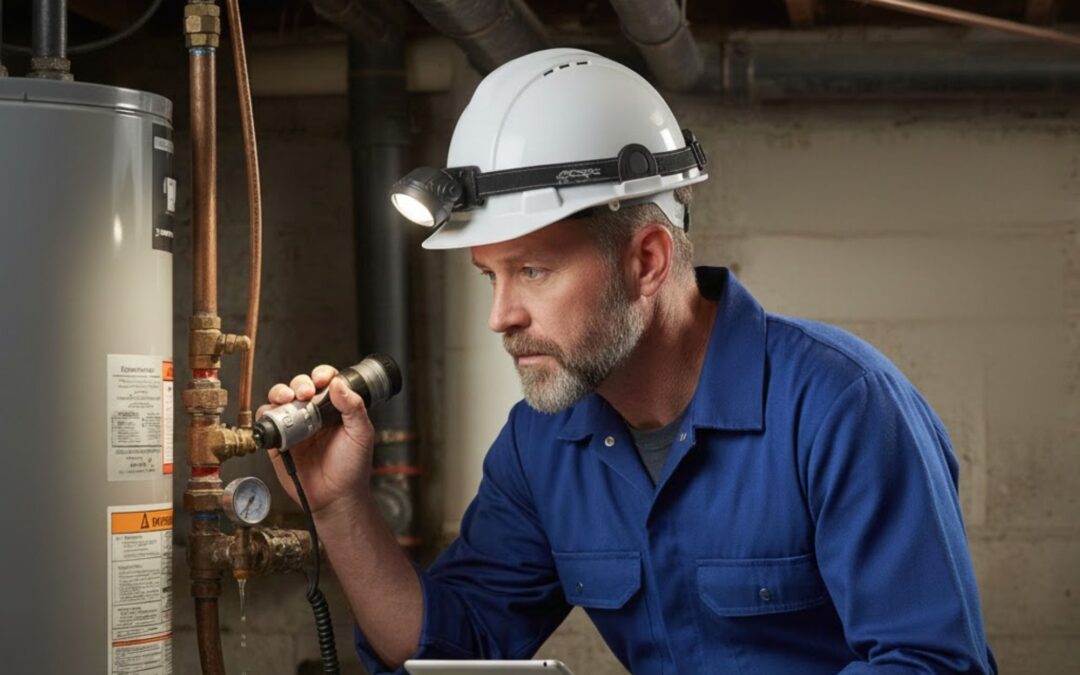
Working with a licensed inspector also ensures proper use of diagnostic tools, such as pressure gauges and sewer cameras. Homeowners receive clear documentation, repair recommendations, and maintenance strategies tailored to plumbing conditions common in Putnam County homes.
Conclusion
A plumbing inspection service is one of the most effective ways to prevent costly repairs, protect property value, and maintain safe plumbing performance in your home. Putnam County’s older housing stock, seasonal temperature changes, and combination of municipal and well water systems make regular inspections essential for long-term reliability. A professional inspection gives homeowners a clear view of their plumbing system’s condition and helps avoid emergency repairs.
If you want a licensed expert to evaluate your home’s plumbing system, Goldberg Plumbing offers comprehensive inspections, clear reporting, and honest guidance for homeowners throughout Putnam County. Schedule your plumbing inspection today to protect your home and keep your system running efficiently year-round.
FAQs
What is included in a plumbing inspection?
A plumbing inspection includes reviewing supply lines, drains, fixtures, water heaters, valves, and appliances. Inspectors test water pressure, look for leaks, check for corrosion, and verify drainage performance. Many inspections follow IRC-based safety rules and EPA guidelines on preventing water waste and ensuring fixture efficiency.
How much is a full plumbing inspection?
A full plumbing inspection in Putnam County generally costs between $150 and $350. Homes with older plumbing or complex systems may cost more. Camera inspections of sewer lines may increase the total but provide essential insight into underground issues that are otherwise difficult to detect.
What is the meaning of plumbing services?
Plumbing services include inspection, repair, installation, and maintenance of pipes, fixtures, drains, water heaters, and appliances. These services ensure safe water distribution and proper drainage in the home. Plumbing professionals also help prevent leaks and maintain long-term system efficiency.
What is a water service inspection?
A water service inspection focuses on a home’s water supply components, including pressure regulators, supply lines, shut-off valves, filtration devices, and well-related equipment. Annual checks are recommended for well owners by agencies such as NYSDOH to maintain water quality and system performance.