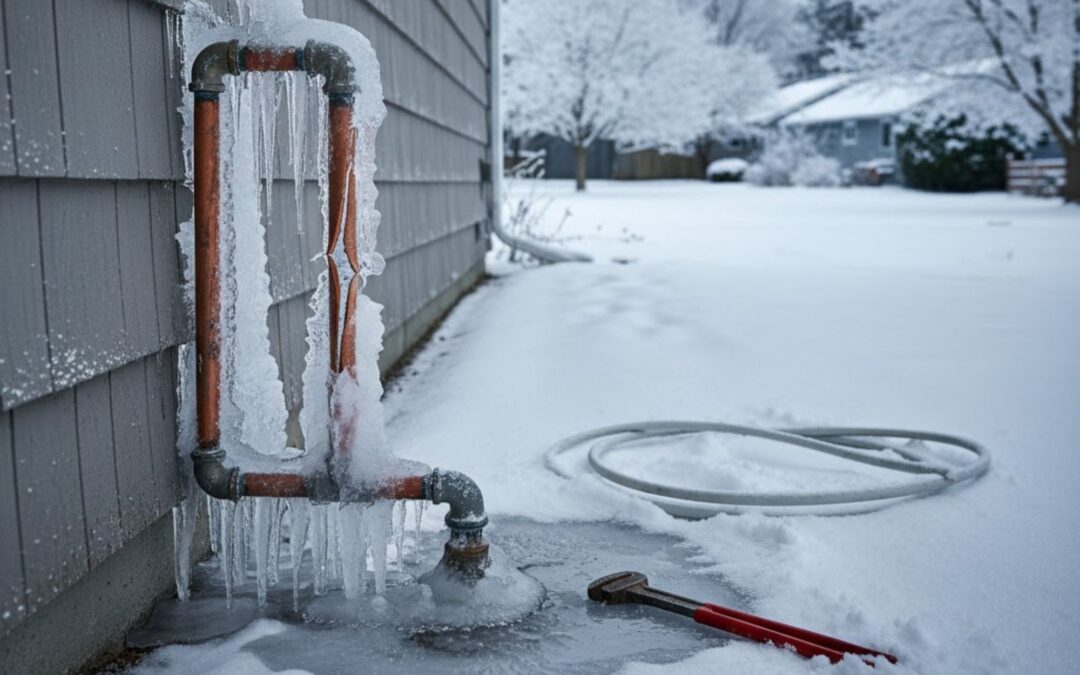
When freezing temperatures hit Westchester and Putnam County, your plumbing system faces serious stress. Water expands when it freezes, which can lead to burst pipes, leaks, and costly repairs. The good news is that a few simple preventive steps can help protect your plumbing and keep your home comfortable through the winter months.
At Goldberg Plumbing, we have helped local homeowners prepare for cold weather for more than 40 years. From installing pipe insulation to servicing water heaters and repairing outdoor faucets, our licensed plumbers know how to keep your home safe during severe cold. Let our professional team provide the plumbing service you need to prepare for a worry-free winter.
Why Winter Plumbing Prep Matters
Getting your plumbing ready before freezing temperatures arrive can make all the difference between a warm, dry home and a flooded basement. When cold air enters unheated areas such as crawl spaces, basements, or garages, water pipes can freeze and burst. According to IBHS, a crack as small as 1/8 inch in a pipe can allow up to 250 gallons of water to escape in one day.
Many older homes across Westchester County, including those in communities like Jefferson Valley and Yorktown, have plumbing systems with exposed pipes that are more vulnerable to freezing. Simple improvements like adding insulation, sealing cracks along exterior walls, and keeping a steady indoor temperature can prevent frozen pipes and protect your plumbing system.
If your plumbing has not had its routine maintenance, this is a good time to call a licensed plumber. A quick inspection helps ensure your water flow, heating system, and energy efficiency stay consistent throughout the coldest months.
Step-by-Step Winter Plumbing Tips
Preparing your home for freezing weather takes more than one quick fix. Each area of your plumbing system plays a role in keeping water flowing safely during cold weather. Follow these key steps to prevent frozen pipes, reduce energy waste, and maintain reliable hot water throughout the winter.
Step 1: Insulate Exposed Pipes
Pipes in unheated areas such as garages, crawl spaces, and basements are most likely to freeze first. When pipes freeze, the pressure inside can cause them to burst. Adding insulation is one of the easiest and most effective ways to prevent frozen pipes.
Use foam sleeves, fiberglass wrap, or heat tape from most hardware stores to cover exposed pipes. In extremely cold areas, a small heat lamp can add warmth and prevent freezing. Proper pipe insulation also reduces energy waste and helps maintain a steady supply of hot water.
If you are not sure which materials to use, the licensed plumbers at Goldberg Plumbing can recommend the best options for your home and ensure every exposed pipe is properly protected before temperatures drop.
Step 2: Drain Outdoor Faucets and Disconnect Hoses
Outdoor water lines are one of the first areas to freeze during cold weather. Any remaining water left in a hose or outdoor faucet can expand and cause serious damage to your plumbing.
To prevent this:
- Disconnect hoses and store them indoors.
- Drain outdoor faucets completely by opening them until no water remains.
- Close shutoff valves that supply outdoor water lines.
- Install insulated faucet covers to prevent cold air from entering the line.
Taking these preventive measures before the first freeze can help you avoid burst pipes and unnecessary repairs later in the season. Taking these preventive measures before the first freeze can help you avoid burst pipes and unnecessary repairs later in the season. If you are unsure how to properly drain outdoor faucets or locate your shutoff valves, a licensed plumber can safely complete the process for you.
Step 3: Check and Maintain Your Water Heater
When temperatures drop, your water heater works harder to provide reliable hot water. Sediment buildup, worn components, or corrosion can cause it to lose efficiency. Regular inspection ensures that it can handle the increased demand during winter.
A professional plumber can flush the tank, check the thermostat, inspect valves, and test water pressure. These steps improve performance, reduce energy waste, and extend your system’s lifespan.
If you notice slow heating, inconsistent temperatures, or unusual noises, it might be time for maintenance or repair. Goldberg Plumbing provides expert water heater service throughout Westchester and Putnam County to keep your hot water supply reliable through freezing weather.
Step 4: Seal Cracks and Prevent Cold Air Leaks
Even small openings in your home can allow cold air to reach your plumbing and freeze nearby pipes. Inspect areas where pipes enter through walls, floors, and foundations. Use weatherproof caulk or spray foam to seal cracks and prevent cold air from entering.
Older homes in Northern Westchester often lose heat through small gaps. Sealing these spaces not only helps protect pipes but also improves overall energy efficiency. Keep garage doors closed and insulated to retain more heat, and check sump pump discharge lines to make sure they are clear of ice buildup that could lead to basement flooding.
Step 5: Maintain a Consistent Indoor Temperature
A steady indoor temperature is key to avoiding frozen pipes. Keep your thermostat at least 55°F, even when you are away. Opening cabinet doors under sinks helps warm air reach pipes, while keeping garage doors closed traps more heat inside the home.
If you plan to be away for an extended time, let your faucets run a slow drip or trickle of water to maintain flow and prevent freezing. This small adjustment can save you from costly repairs caused by burst pipes. If you are unsure how to balance comfort and efficiency, Goldberg Plumbing can assess your heating system and offer guidance to help protect your plumbing while conserving energy.
Step 6: Locate Your Shutoff Valves
In an emergency, knowing where to find your main shutoff valves can make all the difference. Most are located near the water meter or where the main line enters your home. Make sure everyone in your household knows how to turn them off in case of a burst pipe.
Shutting off the water supply quickly can prevent flooding and minimize damage. Label the valves clearly and keep the area accessible. If you are unsure where your main shutoff valves are or how to label them, a licensed plumber can identify and mark them for you during your next maintenance visit.
Common Winter Plumbing Problems and How to Fix Them
Even with preparation, winter weather can still bring challenges. Here are some of the most common issues and how to handle them.
| Problem | Cause | Solution |
|---|---|---|
| Frozen Pipes | Poor insulation or exposure to cold air | Use a hair dryer or heat lamp to safely thaw frozen pipes. Avoid open flames. |
| Low Water Pressure | Ice buildup or blockage in pipes | Keep a slow drip running to maintain flow until pressure returns. |
| Burst Pipes | Expansion from trapped ice | Turn off shutoff valves and call a licensed plumber immediately. |
| Water Heater Failure | Sediment buildup or overuse | Schedule repair or replacement with Goldberg Plumbing. |
If you notice low water pressure, strange noises, or slow drainage, it could indicate a developing plumbing issue. Schedule a visit from a licensed plumber to inspect your system and address any potential problems before they lead to major repairs. Regular maintenance helps keep your plumbing, heating system, and water filtration running smoothly during the winter months.
Why Homeowners Trust Goldberg Plumbing
For more than 40 years, Goldberg Plumbing has provided honest, reliable service to families throughout Westchester and Putnam County. As a family-owned and second-generation company, we take pride in treating every home as if it were our own.
Our licensed plumbers understand the local climate and housing styles that make winter maintenance especially important in this region. Whether you need pipe insulation, water heater repair, or preventive maintenance, our team combines local knowledge with quality workmanship to deliver dependable results.
When you work with us, you can expect:
- Clear communication and transparent pricing
- On-time service from experienced professionals
- Long-lasting solutions for your plumbing and heating needs
Conclusion
Preparing your plumbing for winter is one of the smartest ways to protect your home from costly repairs. By insulating pipes, sealing air leaks, and keeping a steady indoor temperature, you can prevent freezing and ensure your plumbing system runs smoothly all season.
At Goldberg Plumbing, we bring decades of experience to every home we service. Our licensed professionals provide plumbing repairs, heating system maintenance, and water system solutions designed to keep your home warm and safe through freezing temperatures. Contact us today and enjoy a worry free winter knowing your home is in expert hands.
FAQs
How do I prepare my pipes for winter?
Start by insulating exposed pipes, sealing any gaps that let in cold air, and disconnecting hoses before the first freeze. Keep garage doors closed and maintain a consistent indoor temperature. For complete protection, schedule routine maintenance with Goldberg Plumbing.
How much water should I run to keep pipes from freezing?
Let a slow trickle of water flow from your faucets, about one drop per second. This helps keep water moving and prevents freezing during extreme cold.
How cold is too cold for plumbing?
When outdoor temperatures drop below 20°F, unprotected pipes can freeze quickly. Pay attention to pipes in crawl spaces and other unheated areas to prevent damage.
What temperature should I keep my house to prevent pipes from freezing?
Keep your thermostat set to at least 55°F at all times, even when you are away. Consistent warmth helps prevent frozen pipes and protects your plumbing system throughout the winter months.
How can I safely thaw frozen pipes?
Turn off the main water supply, then apply gentle heat using a hair dryer, heat tape, or a heat lamp. Never use an open flame. If you cannot locate or thaw frozen pipes safely, call Goldberg Plumbing for professional help.