Our Blog

Garbage Disposal Repair: Easy Fixes for Common Issues
Garbage disposals are essential kitchen appliances that help break down food waste and keep our sinks free of debris. However, like any appliance, they can experience problems. From annoying jams to more serious leaks or noise issues, a malfunctioning garbage disposal...
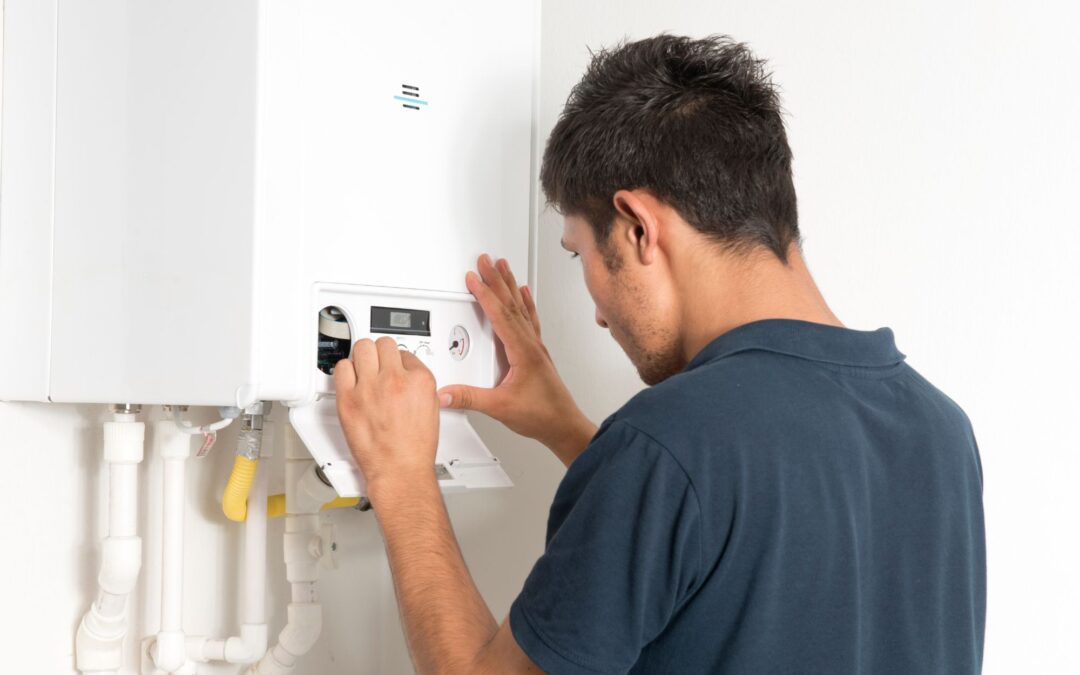
Boiler Maintenance Tips: Westchester Homeowners Should Know
Boiler maintenance is essential for keeping Westchester and Putnam homes safe, warm, and energy-efficient during harsh winters. Simple homeowner checks, like monitoring pressure, bleeding radiators, and testing carbon monoxide alarms, help prevent small issues from becoming major problems. Annual professional service ensures efficiency, extends system lifespan, and protects your family from costly breakdowns or dangerous leaks. In this guide, Goldberg Plumbing shares practical boiler maintenance tips every homeowner should know, along with expert services to keep your heating system running smoothly all season long.
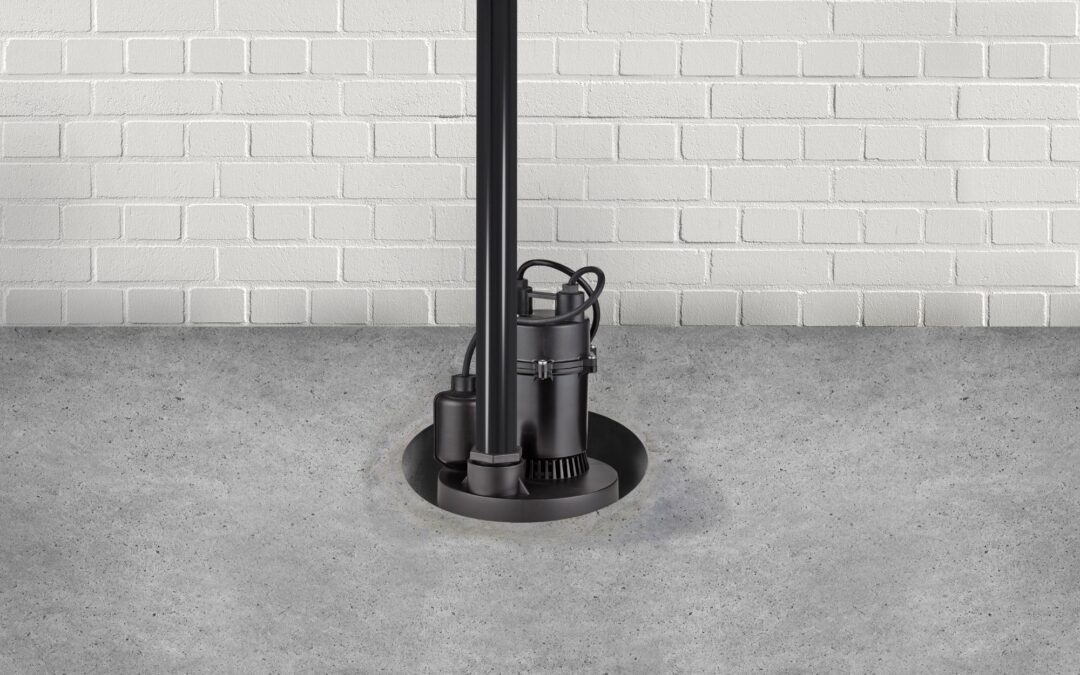
Basement Flooding Prevention: Expert Tips for Homeowners
Basement flooding is one of the costliest and most stressful problems for homeowners in Westchester and Putnam County. From heavy rains and clay soil to aging plumbing systems, there are many factors that can put your basement at risk. The good news is that most flooding can be prevented with proactive steps like gutter maintenance, proper grading, sump pump installation, and professional waterproofing. In this guide, Goldberg Plumbing shares expert tips to help you protect your home, avoid costly repairs, and keep your basement safe and dry year-round.
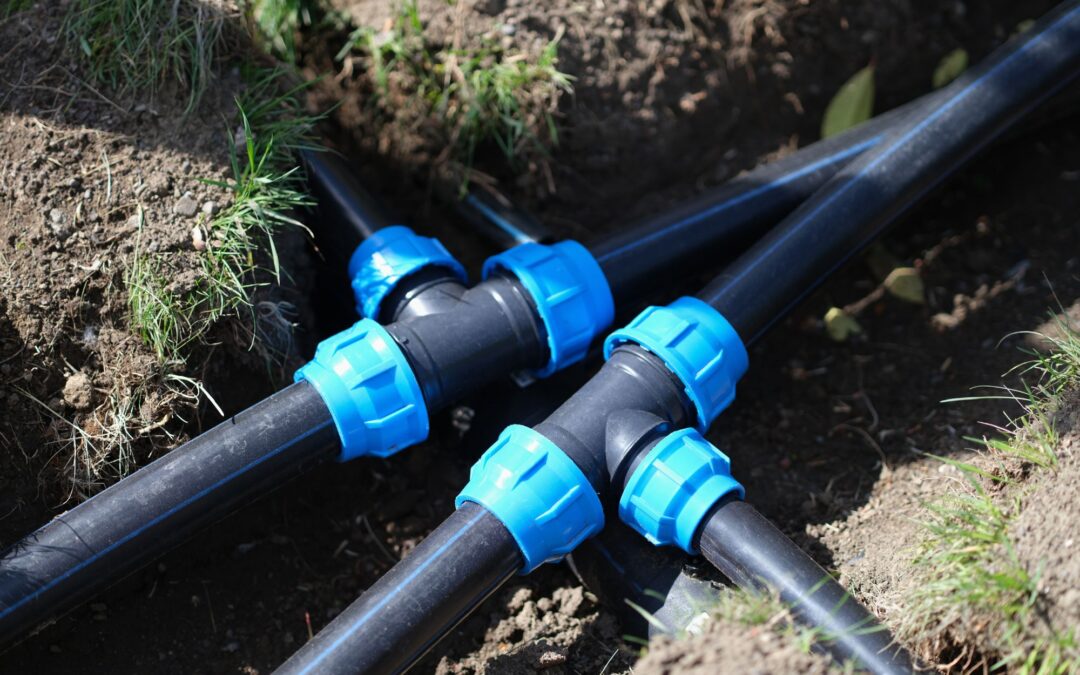
Tips to Prevent Pipes from Freezing: The Complete Winter Plumbing Guide
When temperatures plunge in Westchester and Putnam County, frozen pipes can quickly turn into burst pipes, and expensive water damage. The good news is, a few simple steps can keep your plumbing safe all winter long. In this guide, we’ll share essential tips to prevent pipes from freezing, from insulating vulnerable lines to keeping indoor temperatures steady, so you can protect your home and avoid costly repairs.
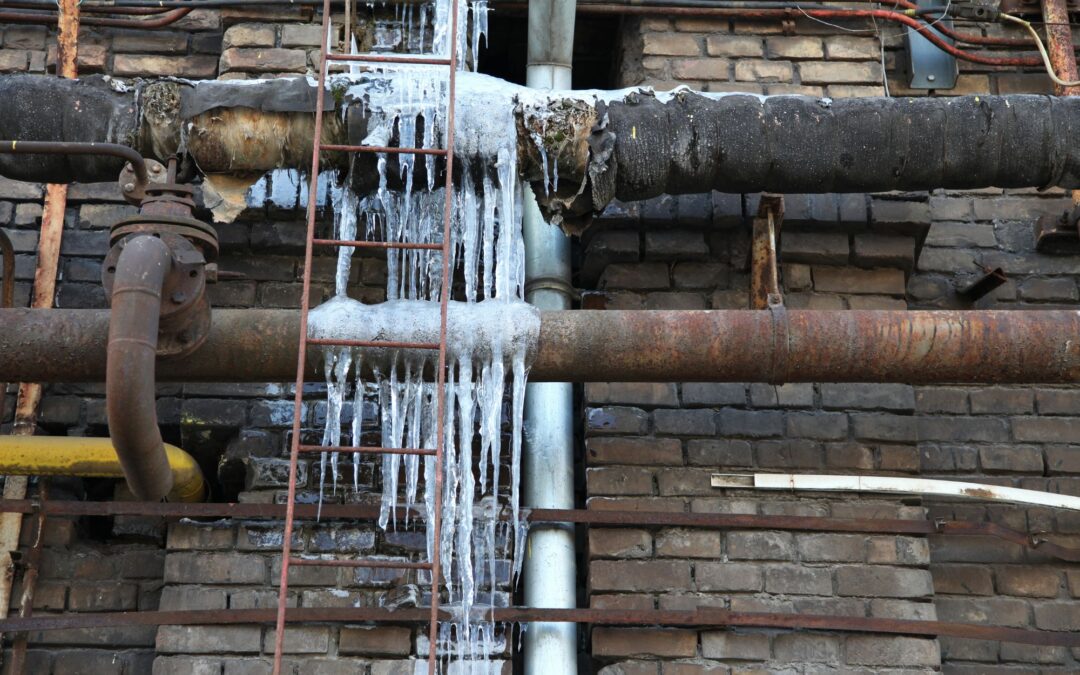
How to Thaw Frozen Pipes Safely and Effectively?
Frozen pipes are a serious winter problem that can quickly turn into costly water damage if not handled properly. Knowing how to thaw frozen pipes safely and effectively is essential for protecting your home. With the right methods, like using a hair dryer, warm towels, or safe space heaters—you can restore water flow without risking damage. Just as important, taking preventive steps such as insulating exposed pipes and keeping a steady indoor temperature can help you avoid frozen pipes altogether.
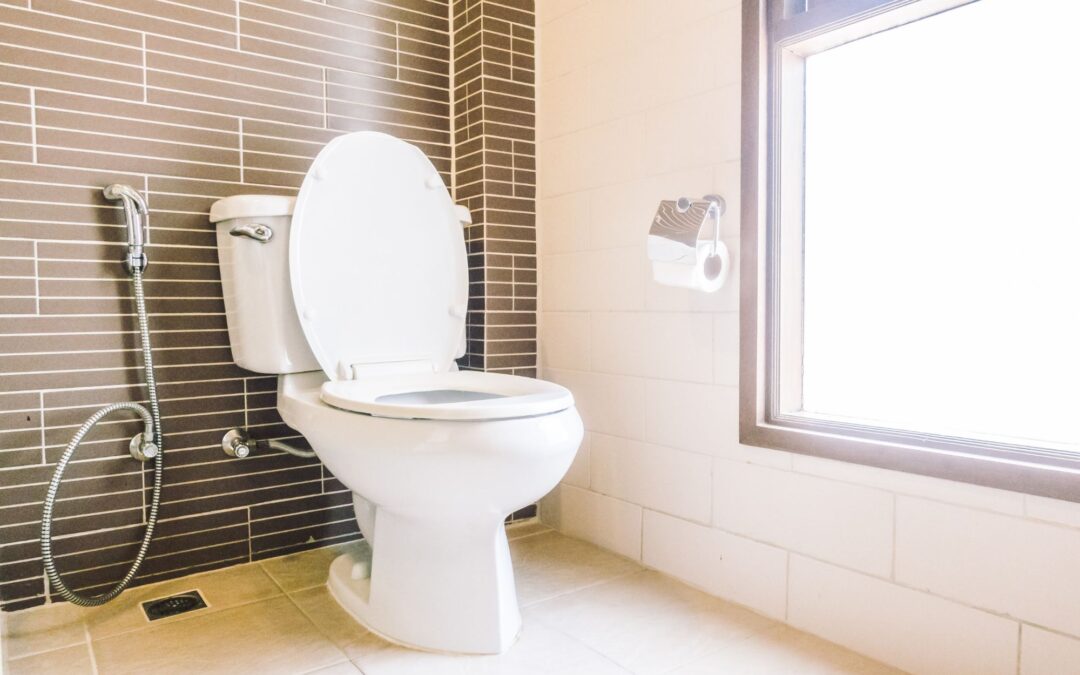
Toilet Keeps Running: Common Causes & Simple Solutions
If your toilet keeps running, it’s more than just an annoying sound—it’s a sign of wasted water and higher bills. Common culprits include a worn-out flapper valve, misaligned chain, faulty fill valve, or overflow tube issues. These problems can often be fixed by inspecting and replacing damaged parts, adjusting water levels, or cleaning debris from the tank. If simple DIY fixes don’t work, it may indicate a more serious plumbing issue that needs professional help. At Goldberg Plumbing, we provide expert toilet repair services to stop leaks and save you money.
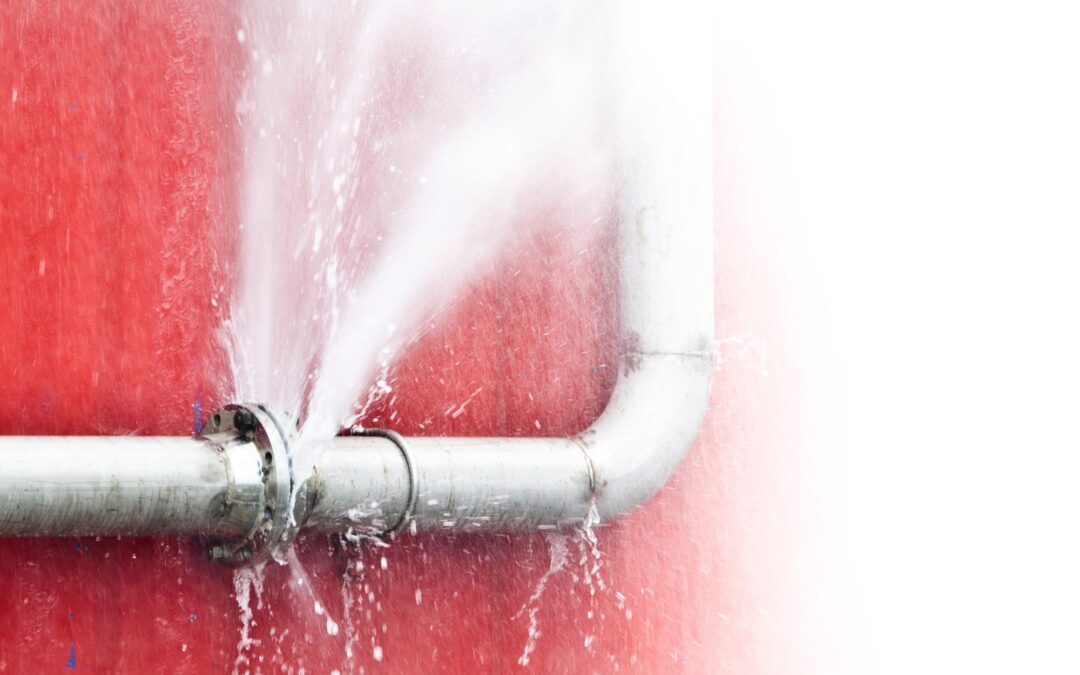
Most Common Winter Plumbing Problems and How to Prevent Them
Common winter plumbing problems like frozen pipes, clogged drains, and water heater failures can lead to costly damage if not addressed promptly. Cold temperatures cause water inside pipes to freeze and expand, increasing the risk of cracks or bursts, while grease buildup in drains and added strain on water heaters can create additional issues. Outdoor plumbing and sewer lines are also vulnerable during freezing weather. By taking preventive measures such as insulating pipes, sealing gaps, disconnecting hoses, and scheduling regular maintenance, homeowners can protect their plumbing systems and avoid winter emergencies.
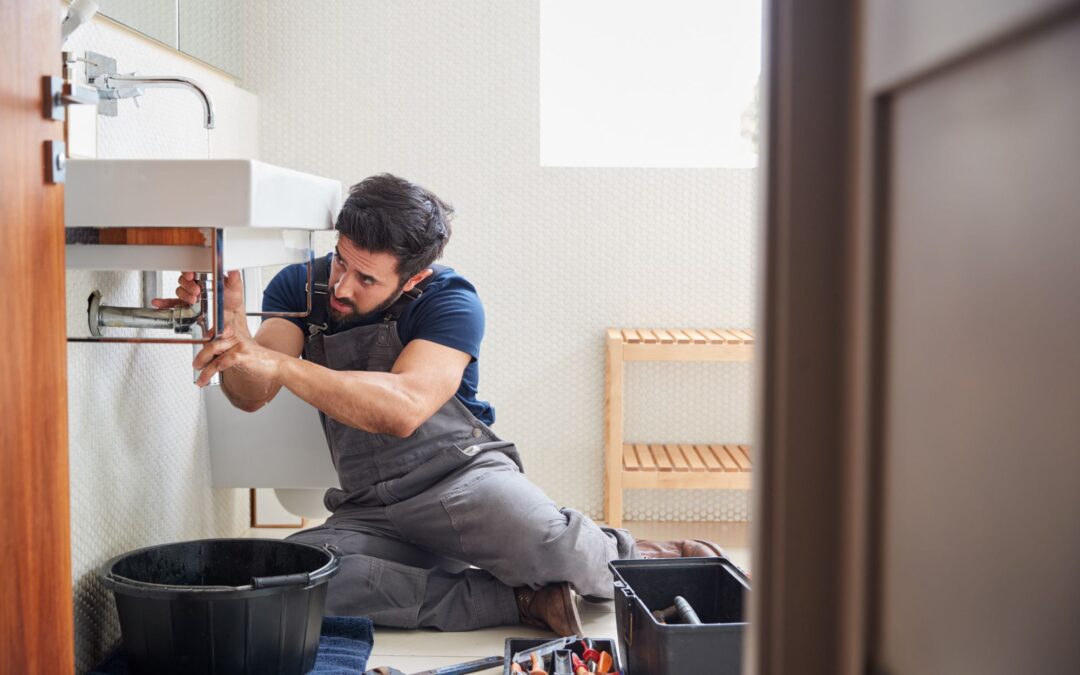
Leaky Faucet Repair: Causes, Fixes, and Prevention Tips
A dripping faucet may seem like a small annoyance, but leaky faucet repair is more important than many homeowners realize. A single faucet dripping once per second can waste more than 3,000 gallons of water each year, driving up your utility bill and straining your plumbing system. Most leaks are caused by worn washers, faulty cartridges, or damaged O-rings, and fixing them quickly not only saves money but also prevents long-term plumbing damage.
10 Essential Plumbing Maintenance Tips for Your Home
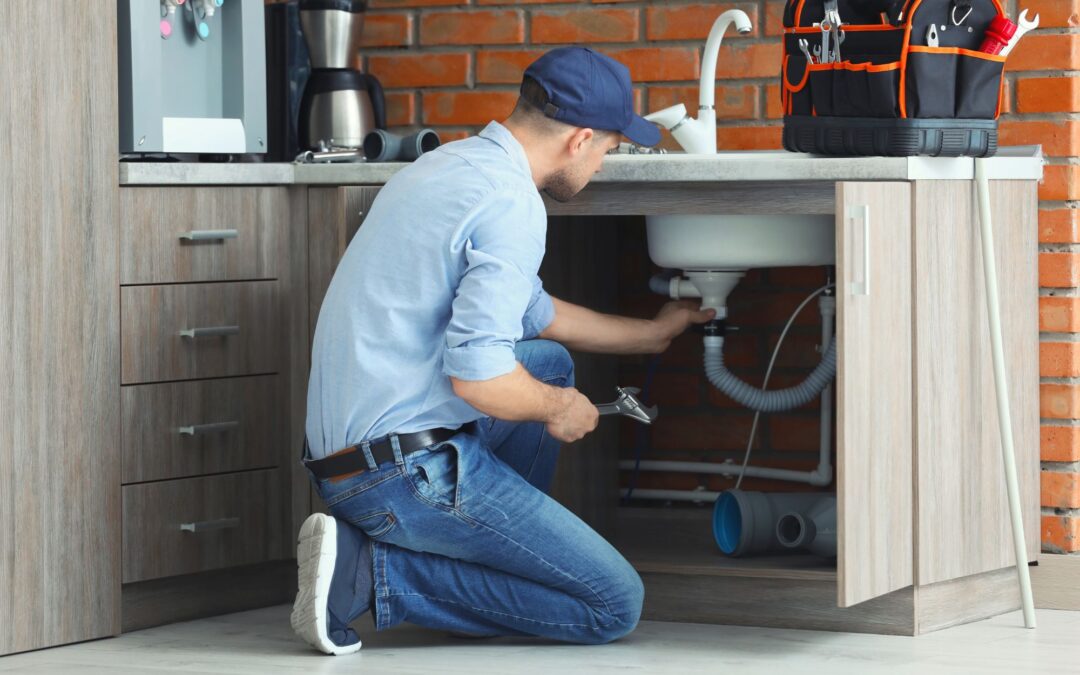
If you’re a homeowner, learning a few simple plumbing maintenance tips can save you from costly repairs and water damage. Routine tasks like checking for leaks, cleaning drains, and flushing your water heater help prevent hidden issues from turning into emergencies. With the right care and regular professional inspections, you can extend the lifespan of your plumbing system and keep everything running smoothly.
How to Clean Faucet Aerator (Step-by-Step DIY)
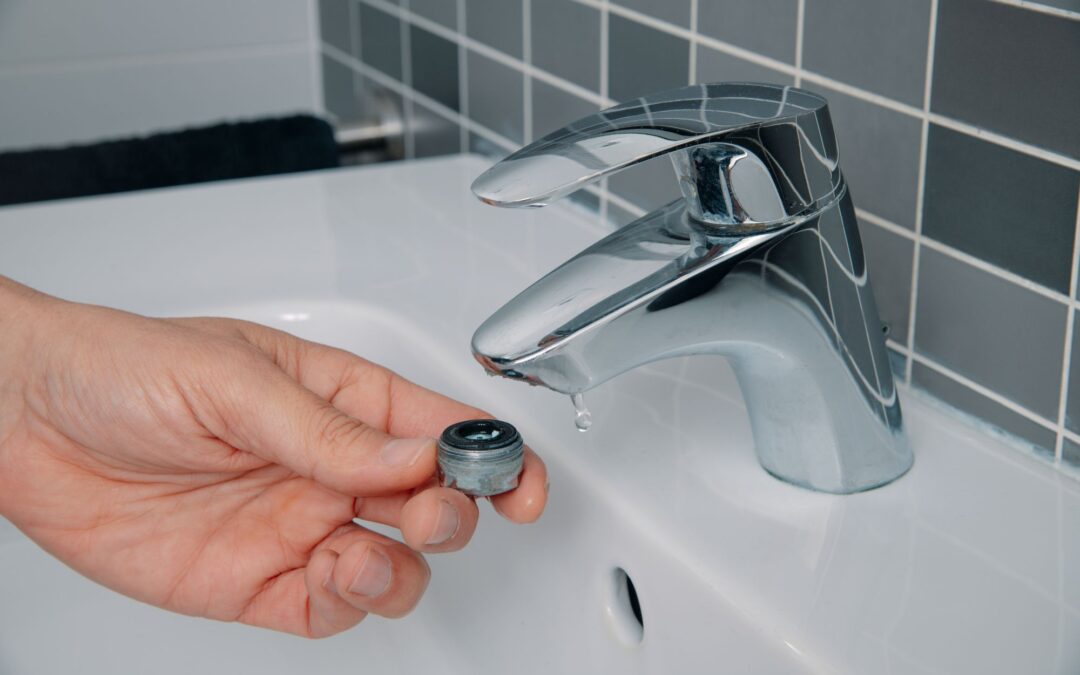
A clogged faucet aerator can cause weak water pressure or uneven spray, but cleaning it is quick and easy. Just unscrew the aerator, disassemble the parts, and soak them in white vinegar for 30–60 minutes to dissolve mineral buildup. Scrub with a toothbrush, rinse with warm water, then reassemble and reinstall. Regular cleaning every 4–6 months keeps your faucet flowing smoothly and prevents future clogs.